Water has a strange way of disappearing into the background. It’s always there—running through pipes, filling tanks, cooling systems, cleaning surfaces—yet most people only notice it when something goes wrong. A metallic taste. Cloudy ice. Fixtures that never quite look clean. In larger buildings especially, water isn’t just a utility; it’s part of the structure’s nervous system.
Whether it’s an apartment complex, an office building, or a mixed-use space, water quality quietly influences comfort, efficiency, and long-term costs. And while it’s easy to assume “good enough” is fine, many building owners eventually realize that water deserves a closer look.
The Scale Changes Everything
What works in a single-family home doesn’t automatically work in a multi-story building. Water volume, pressure, usage patterns, and maintenance demands increase dramatically as buildings grow. Showers run simultaneously. HVAC systems rely on consistent water quality. Common areas demand constant cleaning.
This is where building filtration becomes less of a nice-to-have and more of a practical necessity. Filtering water at scale isn’t about perfection; it’s about consistency. It helps reduce sediment, manage minerals, and protect downstream systems that would otherwise take the hit.
When filtration is handled at the building level, everyone benefits quietly. Residents notice fewer spots on fixtures. Maintenance teams spend less time dealing with scale. Equipment lasts longer without drawing attention to itself.
Taste, Trust, and the Human Factor
Even in commercial or residential buildings, water eventually meets people. They drink it. They cook with it. They wash with it. And humans are remarkably sensitive to taste and smell, even if they can’t articulate what’s wrong.
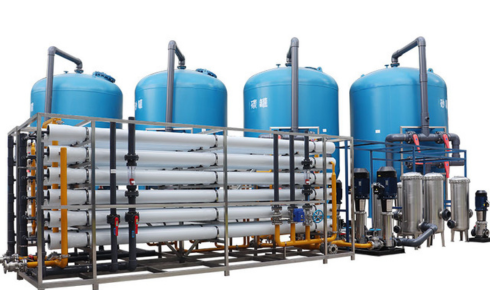
That’s one reason some buildings incorporate reverse osmosis systems for specific applications like drinking water stations or food service areas. These systems focus on removing dissolved solids that affect taste and clarity. The result isn’t flashy—it’s just water that feels neutral, dependable, and easy to trust.
Trust matters more than we realize. When people trust their water, they hydrate more, complain less, and stop seeking workarounds like bottled alternatives. That shift alone can change how a space feels to live or work in.
Not All Water Comes From the Same Place
Urban buildings often rely on municipal supplies, but many properties—especially in suburban or rural areas—draw from private wells. Well water has its own personality. It reflects local geology, seasonal changes, and even nearby land use.
That’s where well water treatment enters the conversation. Unlike municipal water, well water isn’t pre-treated to the same standard. It may contain iron, sulfur, bacteria, or fluctuating mineral levels. None of this is unusual, but it does require attention.
Treating well water isn’t about fear; it’s about adaptation. Systems are chosen based on what the water actually contains, not assumptions. When done right, treated well water can be just as reliable and pleasant as any city supply—sometimes even better.
The Quiet Cost of Doing Nothing
Water problems rarely announce themselves loudly at first. They creep. Scale builds slowly inside pipes. Sediment settles where you can’t see it. Efficiency drops a little at a time. Energy bills inch upward. Maintenance calls become more frequent.
Individually, these issues feel manageable. Together, they form a pattern that’s hard to ignore. Doing nothing isn’t free—it’s just expensive in less obvious ways.
Building owners often discover that proactive water management costs less over time than constant reactive fixes. It’s not about chasing problems; it’s about preventing them from forming in the first place.
One Building, Many Needs
A mixed-use building might house offices, retail spaces, and residential units under one roof. Each has different water demands. Offices prioritize reliability. Retail spaces care about cleanliness and presentation. Residents care about comfort and taste.
There’s no single solution that magically satisfies everyone. The best systems acknowledge complexity. They layer solutions where needed, address specific pain points, and avoid unnecessary complexity elsewhere.
That flexibility is what separates thoughtful planning from cookie-cutter installs.
Maintenance Isn’t a Failure—It’s Part of the Design
Even the best systems require care. Filters need replacement. Components wear over time. Monitoring matters. The difference is whether maintenance feels routine or disruptive.
Well-designed water systems are built with access and serviceability in mind. They don’t hide critical components behind walls or require full shutdowns for simple tasks. When maintenance is expected and planned, it becomes part of normal operations instead of a recurring emergency.
This mindset saves stress as much as it saves money.
Sustainability Lives in the Details
Water efficiency isn’t just about reducing usage; it’s about reducing waste caused by poor quality. Scale buildup forces heaters to work harder. Sediment shortens equipment life. Chemical overuse compensates for underlying issues.
By improving water quality at the source, buildings often reduce energy consumption and chemical reliance without dramatic changes. These improvements align naturally with sustainability goals, even if that wasn’t the original motivation.
Sometimes the greenest upgrades are also the most practical ones.
Thinking Beyond Today
Buildings outlive trends. What feels adequate today might struggle tomorrow as occupancy increases or usage patterns shift. Water systems should be chosen with that horizon in mind.
Planning for growth doesn’t mean overspending. It means leaving room to adapt without tearing everything out later. That foresight often pays off quietly, year after year.
When Water Finally Stops Being a Problem
The best compliment a water system can receive is silence. No complaints. No emergencies. No constant adjustments. Just steady, reliable performance.
When water is handled well, it fades back into the background where it belongs. People focus on living, working, and building community—not on what’s coming out of the tap.
And in a world full of visible upgrades and loud improvements, getting water right is one of those rare wins you feel more than you see.