There’s something oddly reassuring about turning on a tap and not thinking twice about what comes out. We assume it’s fine—safe, drinkable, maybe even refreshing. But every now and then, a faint smell, a slightly metallic taste, or cloudy glass makes you pause. You wonder… is this really as clean as it should be?
The truth is, water quality at home often lives in the background of our daily routines. We don’t notice it until something feels off. And by then, the problem may have been building quietly for months.
Why Water Quality Isn’t Always What It Seems
Municipal water treatment does a solid job in most places. Still, what leaves a treatment plant isn’t always what reaches your kitchen. Pipes age, storage tanks collect residue, and local conditions—especially in older homes—can change everything.
Even groundwater sources, which many people consider “natural” and therefore safe, can carry dissolved minerals, bacteria, or contaminants that aren’t visible to the eye. It’s a bit unsettling when you think about it too long.
This is where people begin exploring clean water systems—not because they’re paranoid, but because they’ve noticed subtle shifts in taste, smell, or even how their skin feels after a shower. It’s rarely a sudden decision. More like a slow realization.
The Small Signs You Probably Ignored
Most households experience early warning signs but brush them off. Maybe your kettle builds up limescale faster than usual. Or your soap doesn’t lather quite right. Sometimes clothes come out of the wash feeling stiff or slightly dull.
These aren’t dramatic problems, so they don’t demand immediate attention. But they do hint at underlying water issues—often related to hardness, sediment, or chlorine levels.
And honestly, once you notice these patterns, it’s hard to unsee them.
A Closer Look at Filtration Options
If you’ve ever looked into improving your water quality, you’ve probably noticed how many choices are out there. It can feel a bit overwhelming, to be honest.
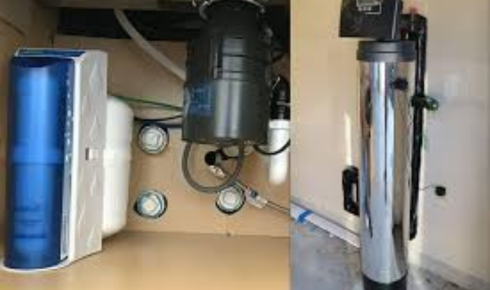
Some people go for simple faucet filters. Others invest in whole-house water filtration systems that treat water at the point it enters the home. The difference isn’t just scale—it’s consistency. Whole-house setups ensure every tap, shower, and appliance gets treated water.
Then there are reverse osmosis units, carbon filters, UV purifiers… each with its own purpose. It’s not about picking the “best” system universally—it’s about what your water actually needs. That part is often overlooked.
The Everyday Benefits You Didn’t Expect
Clean water isn’t just about drinking. It quietly improves a lot of other things too.
Hair tends to feel softer. Skin irritation sometimes reduces. Appliances—washing machines, dishwashers, even water heaters—often last longer because they’re not constantly battling mineral buildup.
And then there’s cooking. Something as simple as tea or coffee can taste noticeably better. It’s subtle, but once you experience it, going back feels… off.
That’s where home water systems start to feel less like a luxury and more like a practical upgrade. Not flashy, not something you show off—but deeply useful.
It’s Not Always About Perfection
Here’s the thing—no system makes water “perfect.” And honestly, that’s okay. The goal isn’t perfection; it’s improvement.
A decent filtration setup reduces what shouldn’t be there and balances what should. It brings your water closer to what you expect it to be: clean, safe, and neutral.
People sometimes get caught up in chasing lab-level purity, but for most homes, it’s about making everyday water better, not flawless.
Choosing What Works for You
If you’re thinking about upgrading your water setup, start simple. Test your water if possible. Understand what you’re dealing with—hardness, chlorine, iron, bacteria, or something else entirely.
From there, solutions become clearer.
Some homes benefit from a basic sediment and carbon filter. Others need a combination of softeners and advanced purification. There’s no one-size-fits-all answer, and anyone telling you otherwise is probably oversimplifying things.
Take your time. Ask questions. And don’t rush into the most expensive option just because it sounds impressive.
The Subtle Shift Toward Better Living
Improving your water quality doesn’t feel like a big life change at first. There’s no dramatic before-and-after moment.
But over time, you notice things. Your glassware stays clearer. Your showers feel more comfortable. Even the way your home “feels” starts to shift, though it’s hard to explain exactly why.
It’s one of those upgrades that quietly integrates into your life. No noise, no attention—just consistent, everyday improvement.
And maybe that’s the point. Clean water isn’t meant to be exciting. It’s meant to be reliable.