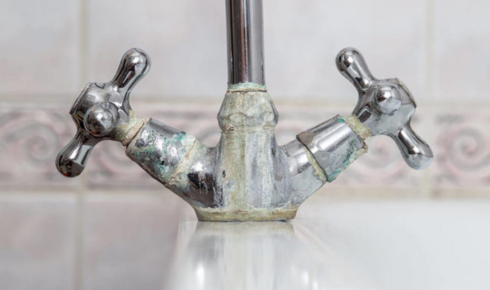
There’s a certain comfort in turning on your tap and expecting clean, reliable water. Most of us don’t think twice about it—until something feels… off. Maybe your kettle starts showing chalky residue, or your showerhead loses pressure for no obvious reason. These small annoyances often trace back to something quietly happening behind the scenes: hard water.
It’s not exactly dangerous, but it does have a personality. And like most things with personality, it can be a bit difficult to manage.
What Hard Water Really Means
Hard water simply refers to water that contains higher levels of dissolved minerals—primarily calcium and magnesium. These minerals aren’t harmful to drink, but they tend to leave behind traces wherever water flows and evaporates.
You might notice it first on glassware. That cloudy film that refuses to rinse off? That’s not your detergent’s fault. Over time, though, the effects go deeper than surface-level inconvenience.
The real challenge begins when these minerals settle into places you can’t see.
The Subtle Signs You Shouldn’t Ignore
Most households don’t realize they’re dealing with hard water problems until the symptoms become hard to ignore. Soap that doesn’t lather properly, laundry that feels stiff even after washing, or skin that feels oddly dry—these are all everyday clues.
Then there’s the plumbing. Pipes don’t complain out loud, but they show stress in quieter ways. Reduced water pressure, uneven flow, or appliances taking longer to do their job—it all adds up gradually.
It’s not dramatic. It’s slow. And that’s exactly why it’s often overlooked.
What Happens Inside Your Pipes
Here’s where things get a bit more serious.
As hard water flows through your plumbing system, it leaves behind tiny mineral deposits. At first, it’s barely noticeable. But over months or years, these deposits accumulate, layer by layer.
Eventually, you’re dealing with scale buildup pipes, which essentially means your plumbing system is narrowing from the inside. Water has less space to move, so pressure drops. Appliances like geysers or washing machines have to work harder, using more energy and wearing out faster.
It’s like trying to breathe through a straw—possible, but definitely not efficient.
Appliances Take the Hit Too
Hard water doesn’t discriminate. It affects everything that uses water.
Your water heater, for example, becomes less efficient as minerals coat its heating elements. It needs more energy to produce the same amount of hot water. Dishwashers leave streaks. Coffee machines develop residue. Even something as simple as an iron can clog up.
Over time, this kind of wear and tear leads to repairs—or replacements—that could’ve been avoided.
And let’s be honest, no one enjoys spending money on fixing things that quietly broke over time.
Everyday Impact on Skin and Hair
There’s also a more personal side to all this.
Hard water can leave a thin film on your skin after bathing, making it feel less clean than it actually is. Some people notice dryness or irritation, especially if they already have sensitive skin. Hair can feel dull or rough, losing that natural softness you expect after a wash.
This happens because soap reacts with minerals, creating a residue instead of rinsing cleanly. So even though you’re doing the same routine, the results just don’t feel right.
Why It Keeps Coming Back
One of the tricky things about mineral buildup is that it doesn’t go away on its own. You can clean surfaces, descale appliances, or scrub fixtures—but unless the water itself is treated, the problem simply returns.
It’s a bit like wiping dust in a windy room. You’re fixing the symptom, not the source.
That’s why many homeowners eventually look into long-term solutions instead of quick fixes.
Practical Ways to Deal with It
So what can you actually do?
For starters, regular cleaning helps—especially for fixtures like taps and showerheads. Vinegar-based solutions can break down mineral deposits effectively. It’s not glamorous work, but it does keep things under control.
Then there are filtration systems and water softeners. These systems reduce mineral content before the water even reaches your pipes or appliances. It’s more of an upfront investment, but over time, it tends to pay off through fewer repairs and better efficiency.
Some people go halfway—installing filters at specific points like kitchen taps or showers. It’s not a complete fix, but it makes a noticeable difference.
A Small Problem That Grows Quietly
The thing about hard water is that it rarely demands attention right away. It’s not urgent. It doesn’t break things overnight.
But given enough time, it builds up—literally and figuratively—affecting your home in ways that are easy to dismiss until they aren’t.
Paying attention early, even just noticing the signs, can save a lot of frustration later. And sometimes, that’s all it takes to stay ahead of it.
Because in the end, water should feel effortless. Not something you have to second-guess every time you turn on the tap.