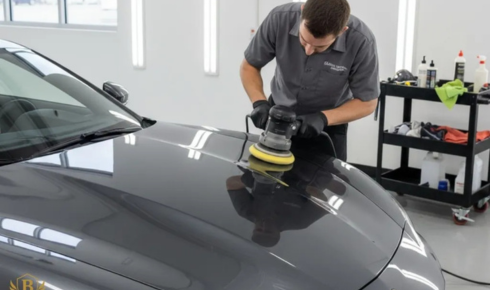
Automotive paint correction services have become an essential part of modern vehicle restoration and long-term surface protection. Within the first 100 words, it is important to understand that today’s automotive finishes are more delicate than ever, making them highly vulnerable to swirl marks, oxidation, light scratches, and environmental damage. These imperfections reduce gloss, dull the paint surface, and negatively impact overall vehicle value.
High-level detailing specialists such as Rolling Arts Group focus on restoring paint clarity through advanced multi-stage polishing systems. Unlike traditional car washing or basic detailing, paint correction is a precision-driven process that removes defects at a microscopic level instead of masking them. The result is a deep, reflective, showroom-quality finish that enhances both appearance and value.
Understanding Automotive Paint Correction Services in 2026
The automotive industry has evolved significantly, and so have vehicle paint systems. Modern clear coats are thinner, softer, and more environmentally compliant, which makes them easier to damage but also more responsive to correction when handled properly.
Automotive paint correction services focus on restoring paintwork by eliminating imperfections that accumulate over time. These imperfections often include:
- Swirl marks from improper washing techniques
- Fine scratches from dust or abrasive materials
- Oxidation caused by UV exposure
- Water spots from mineral deposits
- Holograms left by low-quality polishing
Unlike surface-level cleaning, correction involves leveling the clear coat to restore optical clarity and reflection accuracy.
Why Automotive Paint Correction Services Matter
Vehicle appearance plays a significant role in resale value, brand perception, and owner satisfaction. Paint condition is often the first detail noticed when evaluating a car.
Key reasons paint correction is important:
- Enhances visual depth and gloss
- Restores original factory finish appearance
- Increases resale and trade-in value
- Prepares surface for ceramic coating application
- Prevents long-term paint degradation
Even new vehicles often require correction due to imperfections introduced during manufacturing, transportation, or dealership preparation.
The Science Behind Paint Imperfections
Understanding how paint defects form helps explain why correction is necessary. Automotive paint consists of multiple layers:
- Primer layer
- Base color coat
- Clear protective coat
Most visible imperfections occur in the clear coat. Over time, improper washing techniques, automatic car washes, and environmental exposure cause micro-abrasions that distort light reflection.
These defects create a hazy or dull appearance because light is no longer reflecting evenly. Automotive paint correction services restore that balance by refining the clear coat surface.
Step-by-Step Process of Automotive Paint Correction Services
Professional correction is not a single-step process. It requires inspection, measurement, and multiple polishing stages to ensure precision and safety.
1. Thorough Decontamination
Before correction begins, the surface is deeply cleaned using:
- Foam pre-wash systems
- Chemical decontamination
- Iron and tar removers
- Clay bar treatment
This step removes embedded contaminants that could interfere with polishing.
2. Paint Thickness Measurement
Technicians use specialized gauges to measure clear coat thickness. This ensures safe correction without over-thinning the paint layer, preserving long-term durability.
3. Multi-Stage Machine Polishing
This is the core of automotive paint correction services.
Cutting Stage
Removes deeper defects such as scratches and heavy oxidation using abrasive compounds.
Refining Stage
Eliminates haze and micro-marring left from the cutting process.
Finishing Stage
Enhances gloss, clarity, and depth for a mirror-like reflection.
Each stage requires different pads, compounds, and machine speeds to achieve controlled correction.
4. Surface Inspection and Lighting Analysis
High-intensity LED lighting is used to inspect every panel from multiple angles. This ensures no defects remain before finishing.
5. Protective Layer Application
Once correction is complete, a protective layer is applied. Options include wax, sealant, or ceramic coating for long-term preservation.
Common Defects Addressed by Paint Correction
Many vehicle owners are unaware of how many imperfections exist on their paint surface until inspected under proper lighting.
Swirl Marks
Caused by circular washing motions or automated car washes using abrasive brushes.
Scratches
Light scratches often result from dust particles or improper drying techniques.
Oxidation
Exposure to sun and oxygen leads to faded and chalky paint surfaces over time.
Etching and Water Spots
Mineral deposits from hard water can permanently damage clear coat if not treated early.
Buffer Trails
Holographic patterns caused by inexperienced polishing work.
Benefits of Automotive Paint Correction Services
Investing in professional correction provides both immediate and long-term advantages.
Visual Transformation
Restores deep gloss and reflective clarity, making the vehicle look significantly newer.
Increased Vehicle Value
Well-maintained paintwork improves resale potential and buyer perception.
Surface Protection Preparation
Creates an ideal foundation for ceramic coatings and paint protection films.
Long-Term Maintenance Reduction
Corrected and protected surfaces are easier to clean and maintain.
Professional Finish Quality
Delivers a finish that cannot be achieved through standard detailing alone.
Automotive Paint Correction vs Standard Detailing
It is common to confuse detailing with correction, but they serve very different purposes.
Standard detailing focuses primarily on cleaning and cosmetic upkeep. It involves exterior washing, interior vacuuming, tire dressing, and light polishing that improves overall presentation. The results are typically temporary, aimed at making the vehicle look clean and refreshed rather than permanently altering the paint condition. Detailing is ideal for regular maintenance and preserving general cleanliness.
In contrast, paint correction is a far more advanced and technical process. It targets actual defects in the paint surface such as swirl marks, scratches, oxidation, and holograms. Instead of simply enhancing appearance, it permanently refines the clear coat through controlled, multi-stage machine polishing. This process removes imperfections at a microscopic level, restoring clarity, depth, and gloss to the paintwork.
While detailing is largely cosmetic enhancement, paint correction is structural improvement of the paint surface itself.
While detailing maintains cleanliness, automotive paint correction services permanently improve paint condition by removing defects rather than covering them.
Role of Ceramic Coating After Paint Correction
After correction, protecting the newly restored surface is essential. Ceramic coating provides a long-lasting protective barrier that bonds chemically with the clear coat.
Benefits include:
- Hydrophobic water resistance
- UV ray protection
- Reduced dirt and grime adhesion
- Enhanced gloss retention
- Easier maintenance washing
When applied correctly, ceramic coatings extend the lifespan of paint correction results significantly.
Choosing the Right Paint Correction Specialist
Not all service providers offer the same level of expertise. Selecting the right specialist ensures safe and effective results.
Important factors to consider:
- Experience with multi-stage correction systems
- Use of professional-grade tools and compounds
- Knowledge of paint safety thresholds
- Transparent inspection and reporting methods
- Proven portfolio of corrected vehicles
Trusted specialists like Rolling Arts Group emphasize precision, safety, and long-term surface protection rather than quick cosmetic fixes.
Common Mistakes to Avoid
Improper correction techniques can permanently damage paintwork. Common mistakes include:
- Over-polishing clear coat layers
- Using incorrect abrasive compounds
- Skipping paint measurement steps
- Ignoring proper lighting inspection
- Applying coatings before full defect removal
Professional execution eliminates these risks through controlled processes and technical expertise.
The Future of Automotive Paint Correction Services
The industry is continuously evolving with new technologies and techniques shaping the future of vehicle surface restoration.
Emerging trends include:
- Nano-abrasive polishing systems for finer correction
- AI-assisted defect detection tools
- Eco-friendly polishing compounds
- Longer-lasting ceramic coating formulations
- Enhanced lighting inspection systems
These advancements are making correction safer, more efficient, and more precise than ever before.
Why Paint Correction Is a Long-Term Investment
Many vehicle owners view correction as a luxury service, but it is increasingly considered a form of preventive maintenance. Preserving paint condition helps avoid costly repainting and reduces long-term depreciation.
When combined with protective coatings and proper maintenance habits, corrected paint can maintain its finish for years.
Conclusion
Automotive paint correction services play a vital role in modern vehicle care by restoring clarity, depth, and gloss to damaged or aged paint surfaces. Through a detailed multi-stage process, imperfections such as swirl marks, oxidation, and scratches are permanently removed, revealing a flawless finish.
With expert-level execution from professionals such as Rolling Arts Group, vehicle surfaces are transformed into high-reflective, showroom-quality finishes that last. As automotive finishes continue to evolve, paint correction remains one of the most effective ways to preserve both aesthetic appeal and long-term value.