Blog

  • The Real Deal on Water Softeners: Finding the Right Company for Your Home’s Needs

    The Real Deal on Water Softeners: Finding the Right Company for Your Home’s Needs

    So, your water smells a little off, your dishes come out foggy, your skin feels dry no matter how much you moisturize, and you’re pretty sure that your water heater is about to call it quits. It’s not just in your head—hard water could be the silent troublemaker in your house.

    If you’re reading this, you’re probably already considering a fix. Maybe you’ve heard of water softeners, but like most home improvements, it’s one of those things you only research when something starts breaking down. Good news? You’re not alone. And better news? You’re in the right place to understand how to choose the best option.


    What Water Softeners Actually Do (And Why It Matters)

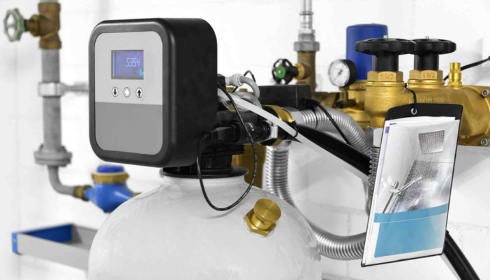
    Let’s start with the basics. Hard water contains high amounts of calcium and magnesium. Over time, those minerals build up in your plumbing, appliances, and even on your skin and hair. Water softeners essentially swap those minerals for something less destructive—like sodium or potassium—giving you cleaner, smoother, longer-lasting everything.

    But here’s where it gets tricky: not all systems (or installers) are the same. There are dozens of water softner companies out there promising pure bliss and zero maintenance. Some deliver. Some don’t.

    That’s why it pays—literally—to understand your options.


    The “Buy Cheap, Pay Twice” Trap

    There’s no shortage of online deals and DIY softener kits. You might even feel tempted to cut corners because let’s face it—no one dreams of spending money on water treatment. But trust us, this is not where you want to cheap out.

    One of the most common stories from homeowners? Buying an inexpensive system that fails within a year, leaks, or just doesn’t solve the problem. Reputable water conditioning companies not only install systems that match your home’s needs, but also offer support, service, and often, warranties that make a huge difference in the long run.

    And remember, you’re not just softening your water—you’re extending the life of your appliances, plumbing, and even your clothes and skin.


    The Commers Conversation: Are They Really That Good?

    You might’ve seen or heard about them. Commers is a known name in the Midwest and often comes up in conversations around softeners and filtration. Wondering if they live up to the hype?

    A scroll through Commers water softener reviews gives you a pretty good idea. Most customers mention solid customer service, high-quality installation, and—perhaps most importantly—systems that work well for years. Some reviewers note premium pricing, but the general consensus is that it’s worth the investment.

    Whether or not Commers is the right fit for you depends on your water supply, home size, and budget. But if you’re considering them, reviews are mostly reassuring. Just make sure you get a tailored quote and ask all the questions—don’t assume a “one-size-fits-all” solution.


    Not All Water Is Created Equal

    The water in your area might differ from someone just two towns over. Municipal water, well water, iron content, chlorine levels—all of these play a role in which softener you’ll need.

    That’s why a free water test from a local company is gold. The best water softner companies don’t just drop a system off and call it a day. They look at your whole setup: water usage, household size, existing plumbing, and even lifestyle factors (do you have pets, grow a garden, or run laundry daily?).

    Then, they recommend a solution that won’t leave you wondering if your money just went down the drain.


    Don’t Forget the Follow-Up: Service and Support Matter

    One overlooked part of buying a softener? What happens after it’s installed. Like any system in your home, softeners need a little care—refilling salt, checking efficiency, cleaning the brine tank, etc.

    That’s where local, responsive service matters. Do they offer salt delivery? Can you call them if something feels off? Do they do annual checkups? The cheaper your installer, the less likely you are to get decent support down the line.

    It’s not about hand-holding—it’s about peace of mind. Knowing your water system is humming along quietly in the background while you go about your life.


    When Should You Make the Switch?

    If you’re still unsure whether it’s time to call in the pros, look out for these signs:

    • You’re constantly cleaning spots off your glassware
    • Your shower feels like it’s coated in invisible grime
    • Your appliances seem to wear out faster than expected
    • Your skin and hair feel drier than usual
    • Your soap doesn’t lather properly
    • You notice chalky buildup around your faucets and sinks

    If any of these sound familiar, it might be time to bring in someone who can test your water and walk you through the right solution.


    Final Thoughts: Clean Water, Clear Choice

    Let’s be real—buying a water softener probably won’t be the most exciting decision you make this year. But it just might be one of the smartest.

    Whether you’re navigating reviews, comparing options, or figuring out who to trust with your home’s water quality, remember this: comfort, efficiency, and long-term savings all start with the water that runs through your pipes. Investing in a quality system from experienced water conditioning companies gives you cleaner dishes, softer laundry, better skin, and a whole lot less stress.

    Don’t wait until things break or rust through. Get ahead of the problem and enjoy the kind of water that just feels better—every single day.

  • A Candid Take on Appliance Repair in Boston Homes

    A Candid Take on Appliance Repair in Boston Homes

    It always starts with the little things. Maybe your stove takes a few extra clicks to ignite. Or your oven doesn’t heat quite like it used to—takes longer, feels uneven. You chalk it up to age or maybe the way you’re using it. But then, one night, dinner turns into a disaster. You’re staring at a tray of half-baked lasagna while guests awkwardly ask if takeout’s an option.

    And just like that, you’re Googling stoves repair on your phone while your kitchen slowly fills with disappointment. Been there. We all have.

    The Unspoken Role of Appliances in Everyday Life

    Let’s be honest—appliances don’t exactly get the love they deserve. They’re not flashy. They’re not talked about over coffee. But without them, our routines fall apart. They’re the quiet backbone of our daily lives, handling the dirty work—literally—so we can focus on everything else.

    That’s why when something breaks, the ripple effects are real. Suddenly, your mornings are more chaotic, dinners become unpredictable, and you realize just how much you’ve built around the simple act of pressing “Start.”

    What’s worse? The feeling of being stuck—waiting days (sometimes weeks!) just to have someone come out and take a look. That’s when you wish you had reliable same day appliance repair boston service on speed dial. Someone who doesn’t ghost you. Someone who actually gets that you can’t just wait five days for a technician when your fridge is leaking all over the floor.

    Why Quick Fixes Don’t Always Fix Things

    In a pinch, it’s tempting to go the DIY route. YouTube’s full of tutorials. Some fixes look simple enough—unscrew a panel, tighten something here, replace something there. And hey, sometimes it works. But more often than not, it’s a patch, not a fix.

    And patches don’t last.

    The reality is, appliances today are a mix of old-school mechanics and modern tech. What used to be a burnt wire or loose knob can now be a sensor error, a software glitch, or a fried motherboard. And unless you’ve got experience, you’re mostly guessing.

    That’s where pros come in—not just to fix things, but to understand them. To see what you can’t. To say, “This is the issue. Here’s why it happened. And here’s how we prevent it from happening again.”

    That’s what makes appliance repair boston services that actually care stand out. It’s not just about getting things running again—it’s about doing it right, so you’re not back in the same spot a month later.

    What a Real Repair Experience Should Feel Like

    It should feel… easy.

    Not perfect. Not magical. But human. You should feel like someone is listening. That they respect your time, your home, and your situation. That they don’t treat you like an invoice number or a problem to squeeze into their schedule.

    A good technician shows up when they say they will. They don’t rush. They explain things without jargon. They clean up after themselves. And they give you real options—fix it, replace it, monitor it—without pushing an agenda.

    That kind of service sticks with you. You remember it. You tell your friends. You bookmark the number because you know it’ll come in handy again.

    The Beauty of Local

    There’s something to be said for working with someone who’s local. Someone who knows the area, the homes, the common issues. In a city like Boston, where you’ve got a mix of modern condos and hundred-year-old brownstones, appliance quirks aren’t uncommon. Old wiring. Tight spaces. Off-brand installations.

    A local tech has seen it all. They know how to work within those challenges because they’ve done it before—maybe even right down the street. They’re not flying in from two towns over or bouncing between eight service windows. They’re here. And that means something.

    Repair vs. Replace: Let’s Talk About It

    Everyone dreads this conversation. Is it worth fixing? Or should you just buy new?

    There’s no one-size-fits-all answer. But a good technician will help you make that call. They’ll consider the appliance’s age, condition, repair cost, and how much life it realistically has left. Sometimes a simple part swap gives you three more good years. Other times, it’s smarter to invest in something new.

    What matters is honesty. Transparency. Not fear tactics or pressure sales.

    You Don’t Need to Wait for a Disaster

    Look, we’re all busy. We ignore the signs. The rattling dryer. The fridge that “kind of” cools. The oven that’s a bit slower every week. It’s not urgent—until it is.

    That’s why it pays to be proactive. Schedule maintenance. Ask questions. Get little problems checked out before they become big ones. It’s not about being paranoid—it’s about protecting your peace of mind.

  • When Water Quality Stops Being Background Noise and Starts Needing Attention

    When Water Quality Stops Being Background Noise and Starts Needing Attention

    Most of us don’t think about water until it begins to interfere with daily life. It’s always there, always flowing, quietly doing its job. Then one day, something changes. Soap doesn’t rinse clean. Your skin feels dry after a shower. Dishes come out of the dishwasher with a dull haze that never quite disappears. None of it feels urgent, but all of it feels familiar — and a little annoying.

    That’s usually the moment people realize water quality isn’t just a technical issue. It’s a lifestyle one.

    The Slow Build-Up We All Ignore at First

    Hard water doesn’t create chaos overnight. It creeps in. Mineral residue builds up on faucets, inside kettles, and deep within appliances you can’t see. Water heaters lose efficiency. Washing machines need more detergent. Towels feel rough no matter how carefully you wash them.

    At first, many homeowners blame cleaning products or aging fixtures. But when the same issues keep returning, it becomes clear the problem isn’t surface-level. It’s systemic. And once you recognize that, you start looking for long-term answers instead of quick fixes.

    Not Every Water Problem Needs the Same Solution

    One of the biggest misconceptions about improving water quality is that there’s a single, universal fix. In reality, water issues vary from home to home. Some households struggle mainly with scale buildup. Others notice taste and odor changes. Some deal with both, plus mineral imbalance that affects plumbing and appliances.

    That’s why water conditioning services often play an important role in the conversation. Conditioning focuses on improving how water behaves and feels without always removing minerals entirely. In many homes, this approach offers noticeable benefits with lower maintenance and fewer changes to the water’s natural composition.

    Understanding what your water actually needs — rather than what marketing claims it needs — is where smart decisions begin.

    Why “Near Me” Searches Aren’t Just Convenience

    When people start searching for water softener services near me, it’s not just about distance. It’s about trust and relevance. Local providers tend to understand regional water profiles, common mineral levels, and recurring issues specific to the area. That knowledge shapes better recommendations and more realistic expectations.

    There’s also the human side of it. Being able to speak with someone who has worked on homes like yours creates confidence. If questions come up later — and they often do — having someone nearby who answers the phone matters more than people realize at the start.

    Maintenance Is Part of the Story, Not a Burden

    A lot of homeowners hesitate because they worry about upkeep. The truth is, most modern systems don’t require constant attention. Occasional checkups, basic maintenance, and timely service keep things running smoothly for years.

    This is where having access to kinetico water softener service near me or similar specialized support becomes valuable. Systems designed for efficiency still benefit from professional care, especially when small issues can be corrected before they become bigger problems.

    Regular servicing doesn’t feel like a chore when it’s handled by people who know the equipment and respect your time.

    Installation Quality Matters More Than Brand Names

    It’s easy to focus on brands, features, and technical specs. But installation quality often determines whether a system feels seamless or frustrating. Proper placement, correct sizing, pressure balance, and drainage all affect performance.

    Experienced professionals don’t rush this step. They ask about water usage, household size, and future needs. They explain what they’re doing without drowning you in jargon. That clarity builds trust — and usually leads to better long-term outcomes.

    A well-installed system fades into the background. A poorly installed one becomes something you think about far too often.

    The Benefits You Stop Noticing (and That’s a Good Thing)

    One of the most telling signs that a water solution is working is how quickly you forget about it. After a few weeks, things just feel… normal. Soap works the way it should. Showers feel comfortable. Appliances seem to behave better.

    Cleaning routines get easier without you consciously changing anything. Over time, you realize you’re spending less on repairs and replacements. Not because you planned to, but because your home is simply under less strain.

    That quiet consistency is the real payoff.

    Choosing Calmly Leads to Better Results

    Water quality decisions don’t need to be rushed. In fact, rushing often leads to mismatched systems or unnecessary upgrades. The best providers won’t pressure you. They’ll help you understand trade-offs, costs, and what realistically fits your household.

    If someone takes time to explain what you don’t need just as clearly as what you do, that’s usually a good sign. It shows they’re focused on solving your problem, not just making a sale.

    A Thoughtful End to an Everyday Issue

    Water touches nearly every part of daily life, yet it’s easy to overlook until something feels wrong. Addressing water quality isn’t about luxury or perfection. It’s about removing small, constant frustrations and protecting the systems you rely on without thinking about them.

  • Why Your Audi’s Engine Is Overheating and How to Fix It

    Why Your Audi’s Engine Is Overheating and How to Fix It

    Engine overheating is one of those problems that can turn frustrating and costly very quickly. When the temperature gauge climbs into the danger zone, steam appears from under the bonnet, or performance drops, your engine is warning you that something is wrong. While mechanical faults are the most common cause, in some cases unexpected factors like pest activity can also contribute, especially in modern vehicles.

    Understanding both the usual and less obvious reasons behind overheating helps you act early and protect your engine from serious damage.


    Understanding Why Engines Overheat

    Engines naturally generate heat while running. The cooling system—made up of coolant, the radiator, thermostat, and water pump—controls this heat and keeps operating temperatures stable. When any part of this system fails, heat builds faster than it can be released.

    Low coolant levels are one of the most common causes. Coolant absorbs heat from the engine block and transfers it to the radiator, where it dissipates into the air. If coolant levels drop due to leaks, evaporation, or poor maintenance, the engine cannot cool effectively.

    Radiator blockages caused by debris or corrosion also reduce airflow and cooling efficiency. Likewise, a faulty thermostat or failing water pump can interrupt coolant circulation, causing engine temperatures to rise rapidly.


    Possible Causes of Overheating in Your Audi

    Several mechanical issues commonly lead to overheating:

    Low Coolant Levels
     Coolant loss over time due to leaks in hoses, the radiator, or the expansion tank can trigger overheating, particularly during hot weather or stop-start traffic.

    Radiator Problems
     Internal corrosion, sediment buildup, or external obstructions such as leaves and insects trapped in the grille can limit heat dissipation.

    Faulty Thermostat
     A thermostat stuck in the closed position prevents coolant from circulating through the radiator, causing rapid temperature spikes.

    Water Pump Failure
     When the water pump stops working, coolant flow ceases entirely, leading to a breakdown of the cooling system.

    These faults are typically diagnosed by an experienced Audi car mechanic in Newcastle through pressure testing and system inspections.


    How Rodents and Pests Can Make Overheating Worse

    Rodents such as rats and mice are increasingly found in engine bays because they are attracted to warmth and shelter. While they may not directly cause overheating, their activity can significantly worsen existing cooling issues.

    Rodents can chew through coolant hoses, insulation, and electrical wiring. Damage to hoses may cause coolant leaks, while chewed wiring can stop cooling fans from operating or interfere with temperature sensors. Modern vehicles often use soy-based wiring insulation, which attracts rodents even more.

    Nesting materials such as leaves, fabric, or shredded insulation can also block airflow around the radiator and engine components, trapping heat where it should be escaping.

    This is why mechanical repairs alone are sometimes not enough. In many cases, proper rodent control is essential to prevent repeat damage and recurring overheating issues caused by pests returning to the engine bay.


    What to Do When Your Engine Overheats

    If your Audi overheats, stop driving as soon as it is safe. Continuing to drive can cause severe damage, including warped cylinder heads or a blown head gasket. Allow the engine to cool completely before inspecting anything.

    Once cooled, check for visible coolant leaks, steam, or sweet-smelling odours. If you notice droppings, nesting materials, or chewed wires under the bonnet, inform your technician immediately. Fixing the mechanical issue without addressing pest activity or rodent control increases the risk of the problem returning.

    A qualified car mechanic in Newcastle can identify whether overheating is caused by mechanical failure, rodent-damaged components, or a combination of both. Repairs may involve replacing hoses, thermostats, radiators, or water pumps, along with repairing damaged wiring.


    Routine Maintenance to Prevent Overheating and Pest Issues

    Preventive maintenance is the most effective way to avoid overheating. Regular checks of coolant levels, hoses, belts, and radiator condition help catch issues before they escalate. Periodic coolant flushing also prevents internal corrosion and sediment buildup.

    To reduce pest activity, keep your vehicle parked in clean, well-lit areas and avoid leaving it unused for long periods. Some owners use deterrents or protective barriers under the bonnet as part of ongoing rodent control efforts.

    Regular inspections by a certified Audi car mechanic in Newcastle ensure both the cooling and electrical systems remain in good condition and help identify early signs of pest intrusion before serious damage occurs.


    Conclusion

    Audi engine overheating rarely happens without warning. It usually signals an underlying problem such as low coolant, thermostat failure, radiator blockages, or water pump issues. In some cases, pest activity makes these problems worse by damaging hoses, wiring, or airflow paths.

    Addressing overheating early, combined with proper maintenance and effective rodent control, helps protect your engine, reduce repair costs, and prevent repeated breakdowns. A thorough inspection that considers both mechanical and environmental factors is key to long-term reliability.


    FAQs

    Can rodents really cause my engine to overheat?
     Yes. Rodents can damage coolant hoses and electrical wiring, disrupting fan operation or causing coolant leaks that lead to overheating.

    What are the first signs of overheating?
     Early signs include a rising temperature gauge, steam from under the bonnet, and sweet coolant smells.

    Should I keep driving if my car overheats?
     No. Driving with an overheating engine risks serious damage such as warped cylinder heads or blown head gaskets.

    How often should coolant levels be checked?
     Coolant should be checked regularly, especially before long trips and during warmer months.

    What should a mechanic inspect when overheating is suspected?
     A technician will check coolant levels, hoses, radiator condition, thermostat operation, and look for rodent-related damage to wiring and cooling components.

  • The Slow Art of Building Trust Online, One Link at a Time

    The Slow Art of Building Trust Online, One Link at a Time

    SEO rarely feels poetic. It’s usually framed as dashboards, charts, traffic spikes, and algorithm updates that roll in like unpredictable weather. But when you’ve been around long enough, you realize that the best results don’t come from chasing every trend. They come from patience. From decisions that don’t look impressive in week one but quietly compound over months.

    Links sit right at the center of that idea.

    Not the loud kind. Not the ones bought in bulk with zero context. The kind that feel like they belong where they are, even if search engines vanished tomorrow. That’s when link building stops being a tactic and starts becoming part of a bigger story.

    When SEO Stops Feeling Mechanical

    Most people enter SEO thinking it’s a system you can outsmart. Do X, get Y. Add more links, climb higher. But somewhere along the way—usually after a site stalls or drops—you notice that the mechanical approach has limits.

    Google isn’t impressed by effort alone. It’s watching behavior, patterns, and intent. A site that grows naturally leaves clues: varied anchors, uneven pacing, mentions from different voices. It doesn’t look engineered. It looks alive.

    That’s why link building today feels closer to editorial judgment than technical execution. You’re not just placing URLs. You’re choosing where your brand shows up in conversations that already exist.

    Relevance Over Reach (Even When Reach Looks Tempting)

    It’s easy to chase big numbers. High DA domains. Massive traffic screenshots. But relevance has a quieter power.

    A smaller site that speaks directly to the same audience as yours can send stronger signals than a giant platform that barely notices your link exists. Readers feel that difference. So do algorithms.

    This matters even more in competitive or sensitive industries, where Google tends to examine links with a slightly raised eyebrow. One thoughtful mention in the right context can outweigh dozens of generic placements that look good only on paper.

    At some point, most serious SEOs realize that authority isn’t borrowed—it’s inferred.

    The Difference Between Placement and Presence

    A link can be placed, or it can be present. The distinction sounds subtle, but it’s everything.

    Placed links sit there because they were paid for or requested. Present links exist because removing them would break the paragraph. They add clarity, depth, or direction for the reader.

    When you’re dealing with escort backlinks, that difference becomes critical. Context isn’t optional—it’s the entire foundation. Without it, links don’t just lose value; they raise flags.

    Presence means the surrounding content makes sense even if the reader has no idea SEO exists.

    Editors Are the First Algorithm

    Here’s something people don’t say enough: before Google evaluates your link, a human does. Or at least, they should.

    Editors know when something feels off. They can spot forced anchors, awkward phrasing, and paragraphs written purely to host a link. And even if they accept it today, that doesn’t mean it survives tomorrow. Content gets updated. Cleaned up. Trimmed.

    Links that add value tend to stick around. Links that exist only for SEO tend to disappear quietly.

    If you write—or place content—in a way that respects the reader, editors notice. Over time, that opens doors you can’t buy access to.

    Patterns Are Louder Than Individual Links

    One “imperfect” link rarely causes problems. A pattern of them does.

    Repeated anchors. Same type of sites. Same article structures. Same tone, over and over again. Google doesn’t need to judge intent from one instance—it looks at the bigger picture.

    That’s why a slower, varied approach often wins. Different formats. Different voices. Different angles. Some links in long-form pieces, others in opinionated posts, others in practical guides.

    Real brands don’t grow symmetrically. Their link profiles shouldn’t either.

    Why Time Is an Underrated SEO Tool

    Everyone wants fast results. It’s understandable. But time adds legitimacy in ways no tactic can replicate.

    Links acquired steadily, across months, tell a story of gradual recognition. Sudden spikes tell a different story. Sometimes that story still works. Often, it doesn’t age well.

    Time also allows for feedback loops. You see which links actually send traffic. Which placements get referenced. Which content earns secondary mentions. Those insights shape better decisions going forward.

    SEO done well starts teaching you what to stop doing.

    Beyond Rankings: The Side Effects of Good Links

    Strong backlinks don’t just move keywords. They introduce your brand to real people. Some of those people remember you. Some bookmark you. Some come back weeks later without clicking the original link again.

    That behavior matters. Even if it’s hard to measure cleanly.

    A site that people recognize and return to tends to weather algorithm updates better. Not because it’s immune, but because its value isn’t purely dependent on search traffic anymore.

    That’s the difference between chasing rankings and building something that lasts.

    A Closing Thought Worth Sitting With

    Link building doesn’t need to feel aggressive or manipulative to be effective. In fact, the longer you stay in SEO, the more you realize that subtlety often outperforms force.

    Think like a reader. Think like an editor. Think like someone contributing to the web, not just extracting from it.

    The best links don’t announce themselves. They blend in, do their job quietly, and keep working long after the initial excitement fades. And in an industry obsessed with speed, that quiet durability is still one of the strongest advantages you can have.

  • Why Healing Crystal Water Bottles Are More Than Just Pretty Hydration Tools

    Why Healing Crystal Water Bottles Are More Than Just Pretty Hydration Tools

    Let’s get something out of the way first—yes, a healing crystal water bottle looks amazing on your desk, in your yoga studio, or even in your Instagram story. But if you think its purpose stops at looking pretty, you might be missing the quiet magic behind it.

    There’s something about the fusion of water and natural crystal that creates a calming, almost meditative experience. It’s not about whether you believe in “energy healing” or not—it’s about bringing intentionality into something as mundane as drinking water. And that alone can change everything.


    A Shift Toward Mindful Sipping

    These days, we’re all guilty of chugging water on the go, usually while multitasking or doom-scrolling. It’s hydration, sure—but it’s not exactly mindful. Enter the healing crystal water bottle. It’s not just a bottle; it’s a nudge. A daily reminder to slow down. To take a breath. To let that sip be a moment of pause, not just a means to an end.

    Whether it holds amethyst, rose quartz, or clear quartz, the crystal sitting inside the bottle becomes a focal point—a sort of visual cue that encourages stillness in an otherwise noisy day.


    Not Just Woo-Woo Anymore

    There was a time when crystal anything was tossed into the “new age” corner. Now? It’s creeping into everyday life—from spa menus to home decor to wellness routines. And there’s a reason for that. Even skeptics can admit there’s something soothing about holding a smooth, polished crystal in your hand.

    And when that crystal’s resting in your water bottle? The entire act of drinking transforms. The bottle becomes less about utility and more about presence.

    Many who use a water bottle with crystal inside aren’t looking for magic. They’re looking for moments of calm, and the bottle helps deliver just that—sip by sip.


    Designed for Ritual, Not Rush

    These bottles are usually crafted from glass (more on that in a second), with a secure chamber for the crystal. The idea is to keep the water and crystal close without direct contact, which maintains purity while still offering symbolic infusion.

    It’s all about ritual. You wake up. You fill the bottle. You notice the light hitting the crystal. You take that first sip with awareness. These aren’t tasks. They’re rituals. And those rituals can anchor you in a way that daily to-dos just can’t.

    Plus, the very design of the bottle encourages care. You’re not throwing it into the bottom of a gym bag. You’re placing it gently on your desk or countertop. That changes your relationship with hydration entirely.


    Why Glass Matters More Than You Think

    A glass crystal water bottle feels different in your hand—more grounded, more stable. The weight encourages a kind of respect, even if you don’t mean to give it. It’s not flimsy plastic. It’s something you choose to carry, not just grab.

    Glass is also inert. It doesn’t mess with the taste of your water or leach unwanted chemicals. For people trying to eliminate plastic from their lives, a glass bottle is often the first swap. Add a crystal to it, and now you’ve got function and feeling in one sleek package.


    What the Crystals Actually Do

    So here’s the thing: there’s no hard science proving that crystals change the molecular structure of water. But that’s not the point. What changes isn’t the water—it’s you.

    You pay attention. You hydrate with purpose. You associate water with clarity, peace, focus—whatever qualities you personally link to the stone inside your bottle. That kind of symbolism creates habits that stick. And when something helps you drink more water in a way that feels good, who’s to argue?


    The Perfect Blend of Form and Feeling

    Unlike basic water bottles, these crystal-infused ones double as conversation starters. People notice. They ask about the crystal. They wonder why you chose that color or stone. Suddenly, you’re not just talking about water—you’re talking about balance, intention, and the weird, beautiful ways we try to care for ourselves.

    And while the outer world might still move fast, your bottle becomes this tiny, portable space of stillness.


    Choosing the Right One for You

    There’s no “perfect” crystal—just the one that speaks to you. Rose quartz is all about self-love. Amethyst is known for clarity and calm. Citrine? It’s often linked to joy and abundance. The fun is in choosing the one that aligns with how you want to feel.

    Whether you lean fully into the energetic side or just appreciate the aesthetics, picking a crystal is a personal experience. And that choice infuses every sip with a little more meaning.


    Final Thoughts: It’s Not Just Water, It’s a Practice

    At the end of the day, a crystal water bottle won’t replace your therapist, solve all your stress, or magically align your chakras. But it will get you to drink more water. It will get you to slow down. And it might just make you feel a little more centered in the process.

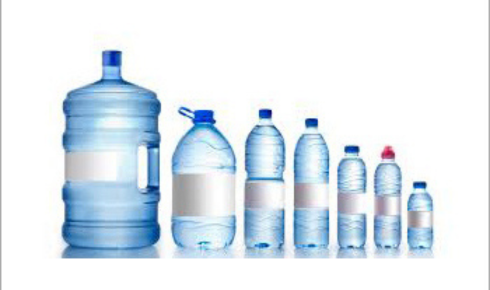
  • Ditch the Bottle, Trust the Tap: The Real Story Behind Water Quality at Home

    Ditch the Bottle, Trust the Tap: The Real Story Behind Water Quality at Home

    We’ve all done it — grabbed a cold bottle of water from the fridge and thought, “This tastes better than what comes from my sink.” Maybe it feels cleaner, crisper, safer. And hey, in a pinch, bottled water can be a lifesaver. But here’s the thing: if you’re constantly relying on it, not only are you burning through cash, but you’re also creating a lot more waste than you might realize.

    And let’s be honest — it’s not just about plastic. It’s about trust. About knowing your water is actually good, not just “good enough.” So, what if you could get that same fresh, clean taste right from your own faucet?

    Spoiler alert: You probably can. You just need to look a little deeper.


    Water Quality Isn’t Always Obvious

    Most of us assume our water is fine because it’s clear, maybe a little cold, and doesn’t taste totally awful. But clean-looking water can still hide things — like chlorine, lead, sediments, or bacteria. And depending on where you live, your tap might be carrying some unpleasant surprises.

    What’s frustrating? You can’t always tell by taste or smell. It’s kind of like air pollution — just because you can’t see it, doesn’t mean it’s not there. That’s why many homeowners are turning to free water analysis services offered by local water treatment professionals. These quick, no-pressure checks give you real data about what’s actually in your water — and they often come with zero obligation.

    It’s knowledge. And knowledge, in this case, is power. The power to protect your health, your appliances, and your peace of mind.


    Let’s Talk About Taste, Trust, and Tap Water

    You know what’s funny? The bottled water industry has done an amazing job convincing us that water from a mountain spring in Switzerland (or wherever they say it comes from) is superior. And maybe sometimes it is. But in a lot of cases, that bottled water is just filtered municipal water — the same stuff you’re drinking at home… with a fancy label slapped on it.

    So instead of stocking your pantry with 24-packs, consider investing in a filtration system or purifier. These aren’t luxury items anymore. They’ve become more accessible, more affordable, and frankly, more necessary than ever.

    The right system at home can help eliminate bad tastes, reduce harmful contaminants, and save you hundreds of dollars a year — not to mention the trips to the store. Oh, and you’ll never have to suffer through room-temperature bottled water again.


    Your Appliances Will Thank You Too

    Think your fridge, dishwasher, or water heater doesn’t care about water quality? Think again. Hard water and invisible contaminants can wreak havoc on these appliances, shortening their lifespan and reducing their efficiency.

    A simple softening or filtration setup can cut down on scale buildup, improve energy performance, and even make your laundry feel softer. It’s one of those “invisible” upgrades that ends up making a very visible difference. And just like that, your home feels fresher. Cleaner. Healthier.


    Why People Are Making the Switch

    Here’s the deal — more and more people are done with “maybe it’s okay” water. They want better. But not everyone’s looking to drop thousands of dollars. That’s where local water companies come in. The good ones will meet you where you are — offering straightforward advice, personalized solutions, and, most importantly, a quality product at fair price.

    They won’t try to oversell or scare you with horror stories. They’ll just show you what’s possible and help you make the best call for your home and your family. That’s the kind of support that’s hard to put a price on.


    Environmental Impact: It’s Bigger Than You Think

    Let’s zoom out for a second. Every year, billions — yes, billions — of plastic water bottles end up in landfills or oceans. Even if you’re the kind who religiously recycles, the process of producing, transporting, and disposing of all that plastic takes a massive toll on the environment.

    By investing in home water filtration, you’re doing more than saving money. You’re taking a small but meaningful step toward sustainability. You’re showing that convenience doesn’t have to come at the planet’s expense.


    Real Life, Real Stories

    Ask around — you’ll be surprised how many of your neighbors have already made the switch. John from down the street? He finally got fed up with buying cases of water every week for his family of five. Now he has a whole-house filter, and says the difference is “like night and day.” No more chlorine smell. No more water stains on his fixtures. Just clean, crisp water, every single day.

    Or Emily, a first-time homeowner. She booked a free consultation, expecting a high-pressure sales pitch. Instead, she got simple answers, a customized recommendation, and a better understanding of her local water issues than she ever had before.


    So… What’s Next?

    Here’s what I suggest: Stop guessing. Stop settling. Find out what’s really in your water — even if you think it’s “probably fine.” Most companies offer free water analysis, so there’s no reason not to get the facts.

    From there, take your time. Explore your options. Whether it’s a countertop filter, a reverse osmosis system, or a full-blown whole-house setup — there’s a solution for every lifestyle and budget.

  • Roofing Choices That Work as Hard as You Do: A Real-World Guide to Commercial Roofing Materials

    Roofing Choices That Work as Hard as You Do: A Real-World Guide to Commercial Roofing Materials

    Let’s be honest — when you’re running a business, your roof isn’t exactly top of mind. You’re probably more worried about payroll, customers, deadlines, or whether the Wi-Fi is going to hold up during yet another Zoom call. But that giant surface above your head? It’s doing a lot more than just keeping the rain out. It’s insulating your workspace, protecting your inventory, and silently bracing for the next Texas hailstorm (or whatever your region throws at it).

    Choosing the right commercial roofing materials isn’t about checking a box or picking the cheapest option. It’s about investing in your building’s longevity, performance, and even energy efficiency. And the truth is — not all roofing systems are created equal.


    Every Building’s Got Its Own Personality

    Here’s the thing: There’s no one-size-fits-all solution in commercial roofing. A downtown retail shop doesn’t have the same needs as a sprawling warehouse or a school gymnasium. You’ve got to consider slope, climate, foot traffic, drainage, budget, lifespan goals — and that’s just scratching the surface.

    So before you let someone toss out a quote with no context, take a beat. Walk the building. Ask questions. What’s the current system? Any recurring issues? Is insulation doing its job? These answers will point you toward the right material — not just the one that’s trending this year.


    The (Still Growing) Popularity of Metal Roofing

    Let’s start with a classic that’s gotten cooler over time — metal roofing. This option isn’t just for barns or fancy new builds anymore. It’s durable, fire-resistant, and holds up like a champ in high-wind zones. With proper installation, metal roofs can last 40–70 years. That’s not a typo. Seven. Zero.

    Metal reflects solar radiant heat, which can help trim those summer cooling bills. It also sheds snow, resists rot and insects, and — bonus — comes in sleek styles that actually look good. It’s a solid option for structures that want a modern edge without sacrificing performance.

    That said, metal roofing can be noisier in heavy rain, and the upfront cost tends to be higher than other materials. But if you’re in it for the long haul? It might just be the most no-nonsense choice out there.


    TPO: The Flat-Roof MVP

    If you’re dealing with a low-slope or flat roof (and most commercial buildings are), then chances are someone’s going to bring up TPO roofing. And for good reason.

    TPO — short for Thermoplastic Polyolefin — is a single-ply membrane that’s tough, lightweight, and highly reflective. It bounces UV rays like a pro, which makes it a favorite for buildings trying to cut down on energy bills or earn LEED points.

    Installers love TPO because it’s flexible, weldable, and relatively easy to roll out across large areas. Building owners love it because it offers solid protection without the cost of more complex systems. It’s especially useful in hot, sunny climates where keeping heat out is half the battle.

    Of course, not all TPO is created equal. Quality varies by manufacturer, and installation is everything. A great membrane can still fail if the crew cuts corners — so pick your contractor wisely.


    Other Options Worth a Look

    There’s a whole menu of materials out there, depending on what your building needs and what you’re willing to spend.

    • Modified Bitumen: Time-tested, multi-layered, and great for foot traffic. Think of it as a modern take on built-up roofing. It holds up well in cold weather and is often used in smaller commercial projects.
    • EPDM (Rubber): Flexible, cost-effective, and easy to repair. It’s a good bet for buildings in variable climates, though it doesn’t reflect heat quite as well as TPO or metal.
    • PVC Roofing: Another single-ply option, similar to TPO but with more chemical resistance — useful for restaurants or factories with exhaust systems.
    • Green Roofs: Yep, actual plants. Not for every business, but increasingly popular in urban areas for eco-conscious companies wanting to make a sustainability statement.

    Longevity vs. Cost vs. Practicality

    Let’s be real. Every roofing material comes with trade-offs. Some last forever but cost a fortune upfront. Others are budget-friendly now but may need more maintenance later.

    That’s why it’s not just about picking the best material — it’s about picking the best material for you. What’s your risk tolerance? Do you plan on staying in that building long-term? Are energy costs killing your bottom line? Is roof access frequent?

    Your roofer should be able to help you walk through all this without throwing buzzwords at you or pushing the most expensive option on the shelf.


    Final Thoughts: Your Roof Doesn’t Have to Be an Afterthought

    In the world of business, some expenses are flashy — a new sign, renovated lobby, upgraded lighting. But others, like a well-installed roof, work quietly in the background to support everything else.

    Choosing the right roofing system is part construction, part strategy. It’s not always exciting, but it’s absolutely essential. And when you get it right? It pays you back in reduced headaches, lower bills, fewer leaks, and a whole lot of peace of mind

  • Why Your Home Deserves Softer Water (And How to Get It Without the Guesswork)

    Why Your Home Deserves Softer Water (And How to Get It Without the Guesswork)

    Let’s be honest—most of us don’t think twice about the water running from our taps. It’s just… there. Whether we’re brewing coffee, hopping in the shower, or throwing another load in the washer, we assume our water’s doing its job. But here’s the thing: not all water is created equal. And if you’ve ever dealt with stiff laundry, spotty dishes, itchy skin, or soap that just refuses to lather, chances are you’re living with hard water.

    And trust me, it’s not just annoying—it’s quietly wearing down your home’s plumbing, appliances, and your patience.


    So, What’s the Deal With Hard Water?

    Hard water is loaded with minerals like calcium and magnesium. Now, these aren’t inherently bad, but when they build up over time, they become a pain. That chalky residue on your showerhead? That’s hard water. The dingy whites in your laundry basket? Yep, also hard water. And that weird film on your glassware? You guessed it.

    You might’ve lived with it for so long that you don’t even realize there’s another way to experience water. But once you’ve had soft water for homes, you’ll wonder why you didn’t switch sooner. It’s like going from dial-up internet to fiber broadband—suddenly, everything just works better.


    The Little Changes That Make a Big Difference

    One of the first things people notice after switching to softened water is how much better everything feels. Showers feel silkier. Skin stops itching. Hair actually listens to shampoo again. Even that stubborn soap finally lathers like the commercials promise.

    Laundry? Softer. Brighter. Less detergent needed.

    Appliances? Last longer, perform better, and don’t demand constant descaling.

    Pipes? They stay cleaner, helping your plumbing system breathe easier and last longer.

    And while all these changes may sound small, stacked together, they improve water quality across every corner of your home in ways that are hard to ignore.


    Okay, But Is It Really Worth It?

    Honestly, that depends on your priorities. If you’re someone who’s fed up with clogged showerheads, high detergent usage, or crusty faucets, then yes—it’s probably time.

    But beyond the comforts and cosmetic upgrades, softened water can lead to real financial savings. Water-using appliances like dishwashers, washing machines, and water heaters last longer and require fewer repairs when hard water isn’t constantly assaulting their insides. Energy bills tend to drop too, because scale buildup makes these appliances work harder than they should.

    In a nutshell? You’re not just making life easier—you’re investing in your home.


    “But How Do I Know If I Even Need a Water Softener?”

    Great question.

    The signs can be subtle at first: soap scum that doesn’t wipe away, dull-looking clothes, a sticky feeling after washing your hands. Then, they snowball into costly repairs and replacements.

    But here’s the good news: you don’t have to guess.

    Many providers now offer a free water softener estimate, meaning you can find out exactly what your home needs—without shelling out a dime. They’ll test your water, walk you through your options, and help you figure out the best solution for your home’s size, water usage, and budget.

    It’s a no-pressure way to get answers and take the first step toward a smarter water setup.


    What’s the Catch?

    You might be wondering—if softened water is such a game-changer, why doesn’t everyone have it?

    The truth is, most people either don’t know the difference or assume water softeners are complicated or overpriced. Some folks worry they’ll be dealing with constant maintenance or weird-tasting water (spoiler: properly installed systems avoid all that). Others think it’s just one more thing to worry about in their already full schedules.

    But modern softening systems have come a long way. Many are self-regenerating, low-maintenance, and compact enough to tuck away without taking up much room at all. And when you weigh the cost of installation against the ongoing cost of living with hard water? It becomes a no-brainer pretty fast.


    Real Talk: What Does Installation Look Like?

    Not as scary as you’d think.

    A technician evaluates your plumbing, installs the system—usually in the basement or garage—and you’re good to go. Some units plug right into your water line and start doing their thing with very little input from you. It’s like installing a mini superhero in your water line.

    And no, you won’t have to constantly refill salt or monitor dials. Most modern systems are designed to be “set it and forget it.” Some even come with apps that notify you if anything needs attention.


    Families Feel the Difference

    Here’s a story you don’t hear in brochures:

    One mom shared how her toddler had persistent eczema. She tried all the creams, switched to hypoallergenic everything, and even adjusted their laundry routine. Nothing worked—until they installed a water softener. Within a few weeks, her son’s skin began clearing up. Not completely gone, but drastically better.

    That’s not a guarantee it’ll solve every skin issue—but it highlights how water quality can impact our bodies in ways we don’t even realize.

    The same family also mentioned they cut their detergent use in half, and their dishes came out of the dishwasher spotless—without having to pre-rinse.


    Is It Right for You?

    If you live in an area with hard water—and most of the U.S. does—then the benefits of softened water are absolutely worth exploring. It’s not about luxury. It’s about creating a home that works better, lasts longer, and feels nicer to live in.

    And since getting an estimate is free, there’s not much to lose. You’ll either confirm everything’s fine (awesome!) or discover an opportunity to make your home a lot more comfortable.


    Final Thought: Your Water, Reimagined

    We all want to feel more at home in our homes. Sometimes, the answer isn’t a kitchen remodel or a pricey appliance. Sometimes, it’s something as foundational as water.

    If you’ve been putting up with hard water without even knowing it, maybe it’s time to experience what soft water can actually do. From shinier dishes to happier skin, the changes might surprise you.