Blog

  • What Really Happens Inside a Water Softener (And Why It Matters More Than You Think)

    What Really Happens Inside a Water Softener (And Why It Matters More Than You Think)

    Most of us don’t spend much time thinking about what happens behind the walls of our homes. Pipes, valves, systems — they all quietly do their job while we go about our day. Until something feels off.

    Maybe it’s the chalky buildup on your taps. Maybe your soap just won’t cooperate. Or your water heater seems to be working overtime for no good reason. These are the moments when curiosity kicks in — not out of fascination, but frustration.

    And somewhere along that path, you start hearing about water softeners.


    More Than Just “Soft” Water

    At first glance, the idea sounds simple: make hard water soft. But once you dig a little deeper, you realize there’s more going on than meets the eye.

    Hard water is filled with minerals like calcium and magnesium. They’re not harmful in the way contaminants might be, but they’re stubborn. They cling to surfaces, build up in pipes, and slowly interfere with how things work.

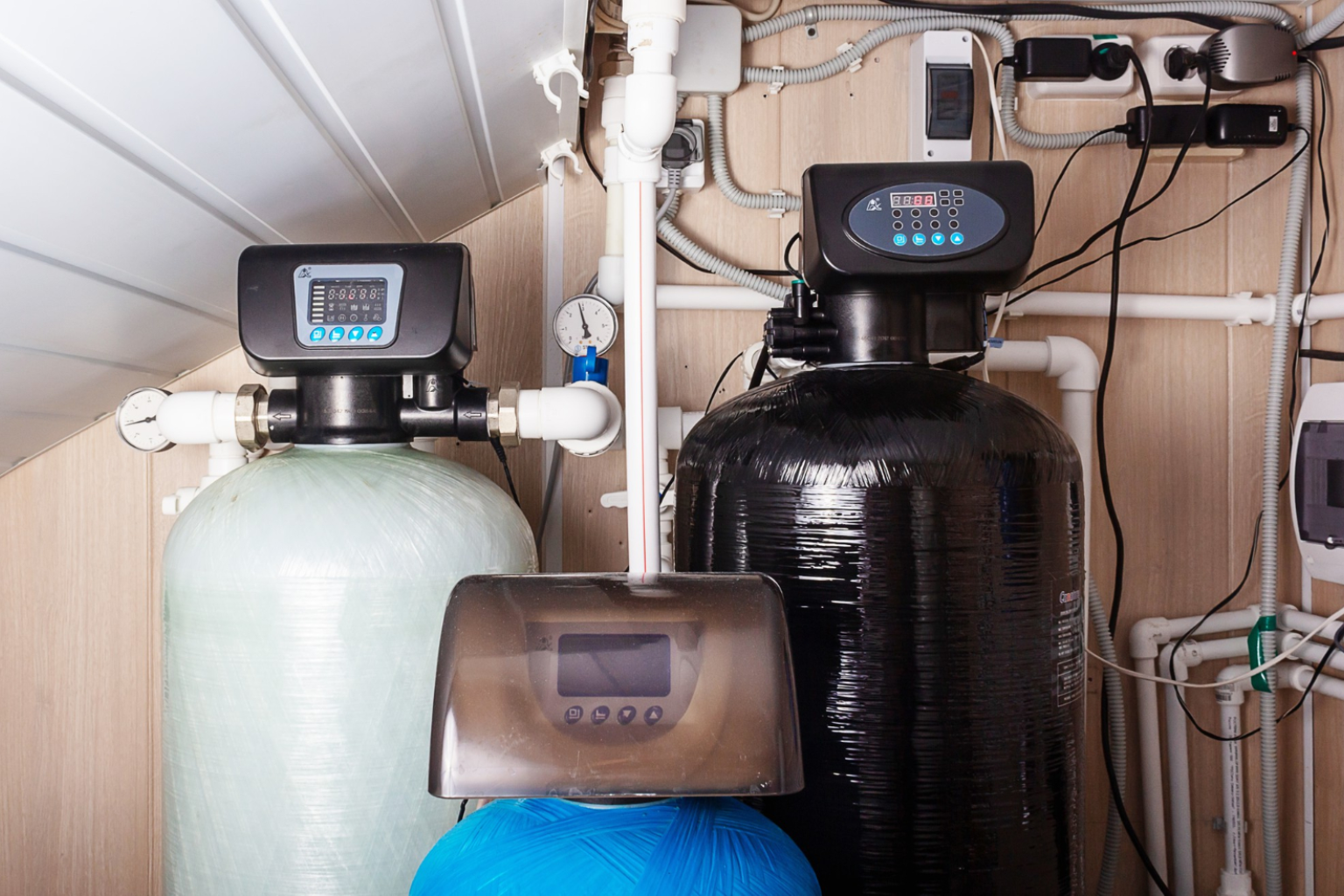
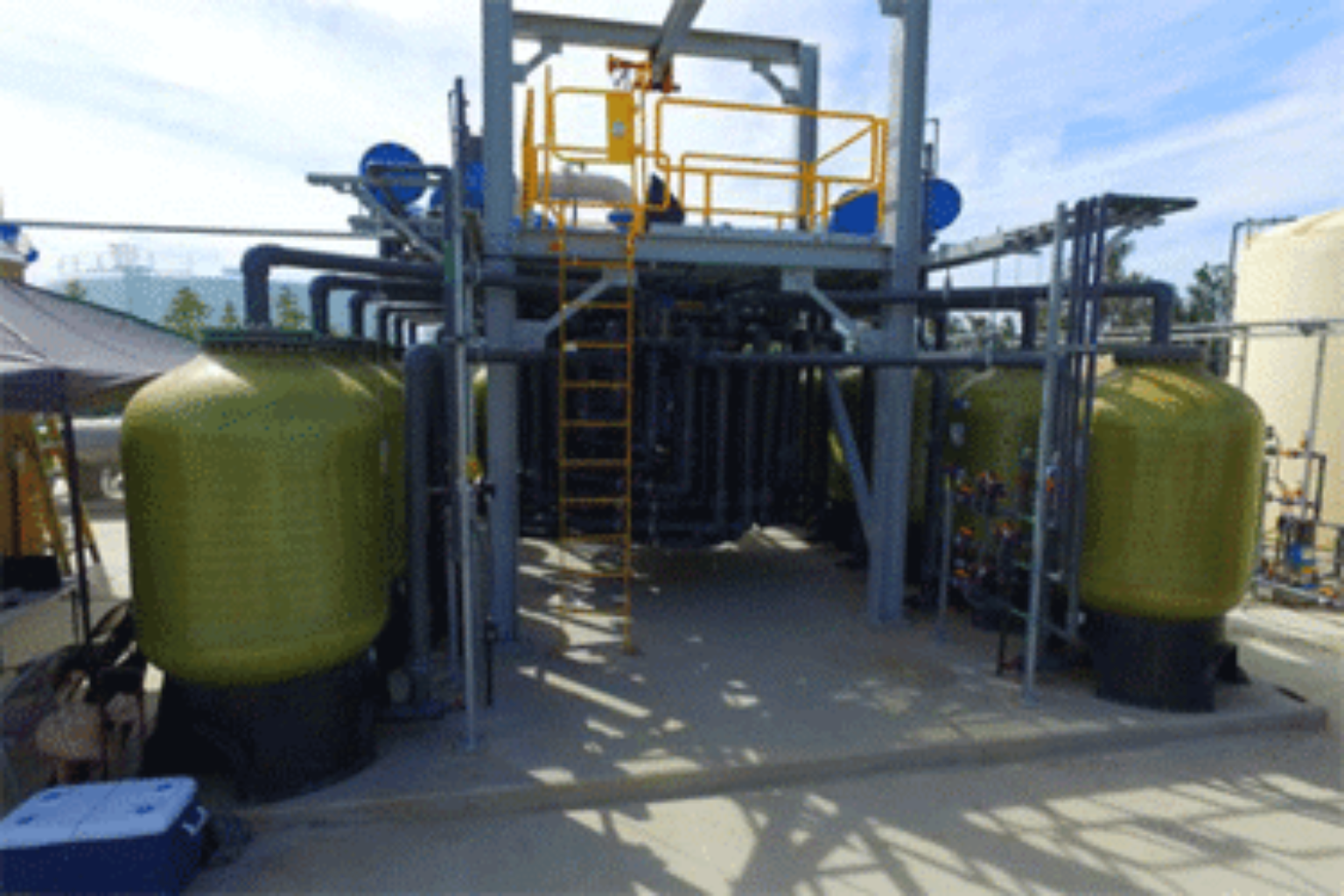
    Water softeners address this through a process that’s surprisingly elegant. Many systems rely on ion exchange softeners, which swap out those hard minerals for sodium or potassium ions. It’s not something you see happening, but the results show up everywhere — cleaner fixtures, better lather, less buildup.

    It’s almost like your water gets a quiet reset.


    The Science That Works in the Background

    What’s fascinating is how little attention this process gets once it’s installed.

    The system runs in cycles. Water flows through a resin bed, minerals get exchanged, and eventually, the system regenerates itself to keep working effectively. It’s not something you need to manage constantly, but it does require a bit of understanding.

    That’s where the idea of efficient regeneration comes in.

    A well-designed system doesn’t just soften water — it does so without wasting resources. It regenerates only when necessary, uses just enough salt, and maintains performance without constant intervention.

    In other words, it works smarter, not harder.


    Why Salt Matters More Than You’d Expect

    If you’ve ever looked into water softeners, you’ve probably heard about salt usage. It’s one of the first things people ask about — how much, how often, and whether it’s worth it.

    And honestly, it’s a fair question.

    Salt is essential for the regeneration process, but how efficiently it’s used can vary widely between systems. That’s where salt efficiency becomes an important factor.

    A system that uses salt wisely not only reduces operating costs but also minimizes environmental impact. It’s a small detail, but over time, it makes a noticeable difference.

    Think of it like fuel efficiency in a car. You still need it to run, but you’d rather not waste it.


    The Everyday Benefits You Don’t Immediately Notice

    When people install a water softener, they often expect instant, dramatic results. And while some changes are noticeable right away, many of the biggest benefits unfold gradually.

    Your appliances start lasting longer. Your water heater runs more efficiently. Your plumbing stays clearer, free from mineral buildup that can restrict flow over time.

    Even your cleaning routine shifts. Less scrubbing, fewer harsh chemicals, more consistent results.

    It’s not flashy. It doesn’t feel like a major upgrade. But it quietly improves how your home functions day after day.


    The Balance Between Technology and Simplicity

    One of the interesting things about modern water softeners is how they balance complexity and simplicity.

    On one hand, the technology behind them is quite advanced — sensors, timers, smart regeneration cycles. On the other hand, once everything is set up, they’re surprisingly low-maintenance.

    You don’t have to constantly monitor them. You don’t need to adjust settings every week. Most of the time, they just do their job in the background.

    And that’s probably the point.

    Because the best systems are the ones you don’t have to think about.


    Common Misconceptions (And Why They Stick Around)

    There are a few myths about water softeners that seem to persist.

    Some people think they’re only necessary in extreme cases. Others assume they’re complicated or expensive to maintain. And then there’s the idea that all systems work the same way, which isn’t quite true.

    The reality is more nuanced.

    Different homes have different water conditions. Some systems are designed for efficiency, others for capacity. Some prioritize ease of use, others focus on advanced features.

    Understanding these differences can help you make a better decision — one that actually fits your needs instead of just following general advice.


    Why It’s Worth Understanding the Details

    It’s easy to treat water softeners as a “set it and forget it” solution. And in many ways, they are.

    But taking the time to understand how they work — even at a basic level — can make a big difference.

    You’ll know what to expect. You’ll recognize when something needs attention. And you’ll appreciate the system not just for what it does, but for how it does it.

    It’s a bit like understanding how your car works. You don’t need to be a mechanic, but knowing the basics helps.


    A Quiet System That Changes Everything

    At the end of the day, water softeners aren’t about making a big statement. They don’t transform your home in a way that’s immediately visible to others.

    But they change how things feel.

    Showers become more comfortable. Cleaning becomes easier. Appliances last longer. Your home runs a little smoother, a little more efficiently.

    And all of it happens quietly, in the background.

    Maybe that’s what makes it so valuable.

    Not the technology itself, but the way it fades into your daily life — doing its job without asking for attention, yet making everything just a bit better than before.


  • When Better Water Becomes a Personal Choice, Not Just a Practical One

    When Better Water Becomes a Personal Choice, Not Just a Practical One

    There’s a moment—usually small, easy to miss—when you start questioning your home’s water. It might be the way your shower leaves your skin feeling a little tight. Or how your glassware never quite sparkles, no matter how carefully you clean it. Nothing dramatic, nothing urgent… just enough to make you pause.

    And once that thought settles in, it lingers. Because water isn’t just another utility. It’s part of everything. Quietly shaping your routines, your comfort, even your home’s long-term health.

    Why “Normal” Water Doesn’t Always Feel Right

    We tend to accept our water as it is. If it’s clear and doesn’t smell too strange, that’s usually enough. But “fine” and “good” aren’t always the same thing.

    Hard water, for example, can leave behind mineral deposits that build up over time—inside pipes, on fixtures, even on your skin. Then there are subtle taste differences, or that faint chlorine note that seems harmless but never quite goes unnoticed.

    It’s not about fear or urgency. It’s about awareness.

    Because once you start paying attention, you realize your water could be better. Not perfect, just… better suited to your home.

    Finding Solutions That Actually Fit Your Life

    This is where things start to shift from general ideas to something more personal. Instead of looking for a universal fix, more homeowners are turning toward custom water systems that adapt to their specific needs.

    And that makes sense, really. No two homes are identical. Water sources vary, plumbing systems differ, and daily usage patterns aren’t the same across households.

    A tailored approach considers all of that. It’s less about installing the “best” system on the market and more about creating something that works for your particular situation.

    Maybe you need to address hardness. Maybe it’s about improving taste. Or maybe it’s a combination of factors that don’t neatly fit into one category.

    That flexibility—that willingness to adjust instead of forcing a standard solution—is what makes the difference.

    Understanding the Tools Behind the Improvement

    Of course, behind every system is the equipment that makes it possible. And while most homeowners don’t need to know every technical detail, it helps to understand the basics.

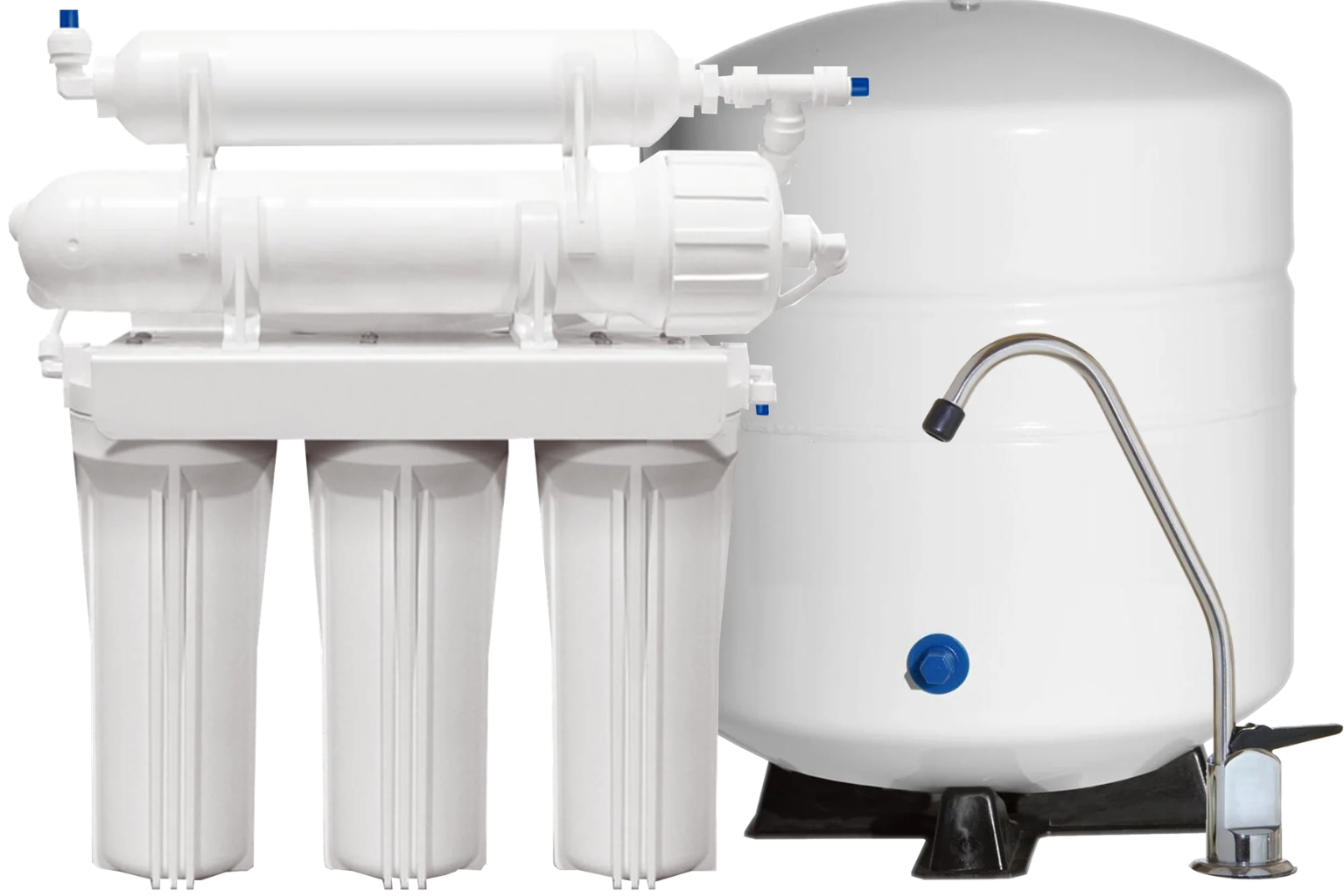
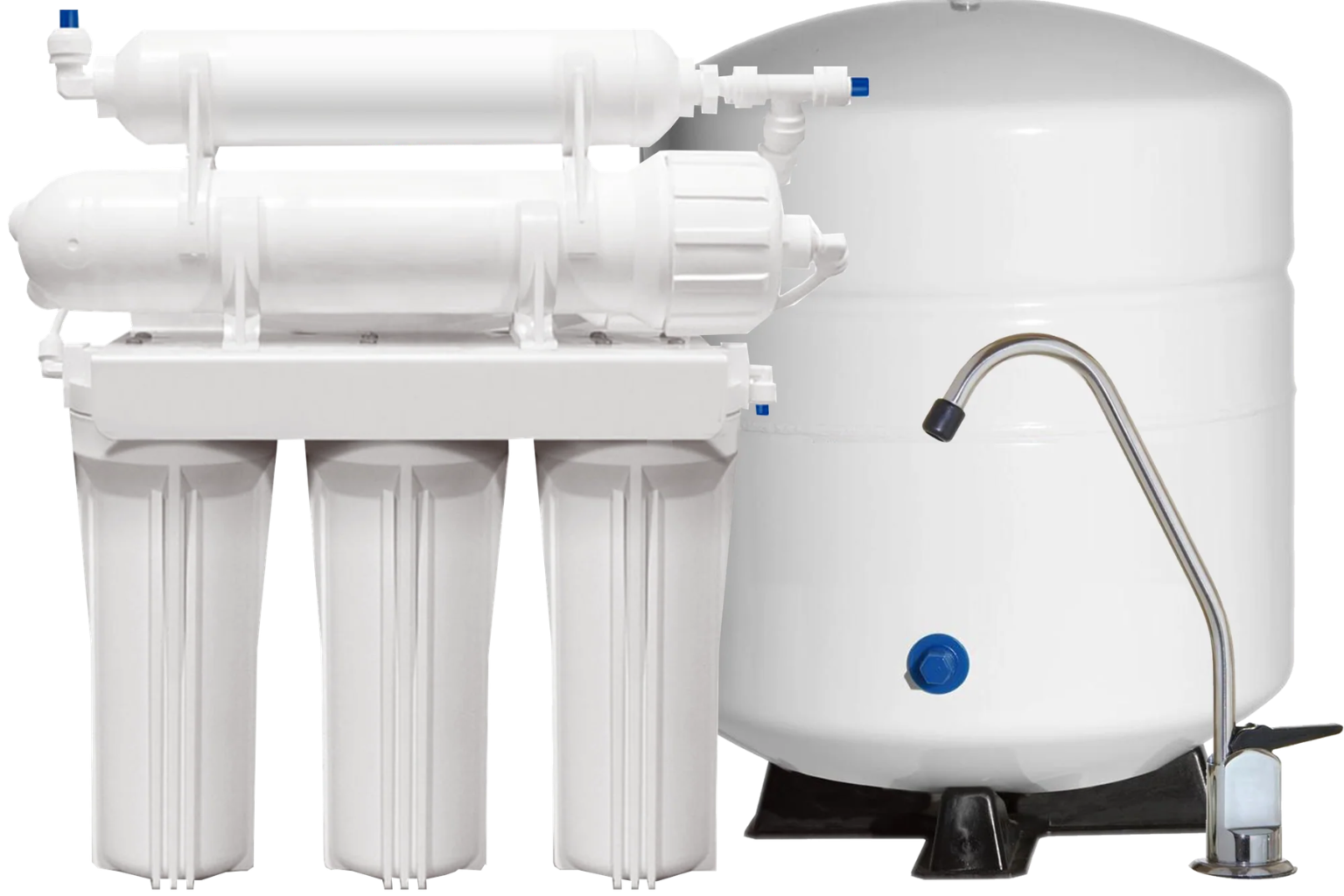
    Modern water quality equipment has come a long way. It’s more efficient, more adaptable, and often easier to maintain than older systems. From filtration units to softeners to multi-stage setups, there’s a wide range of options designed to handle different challenges.

    What’s interesting is how quietly these systems operate. Once installed, they don’t demand attention. They don’t interrupt your routine. They just work—consistently, in the background.

    And over time, you start noticing the results.

    Water tastes cleaner. Surfaces stay clearer. Appliances seem to run more smoothly. It’s not a single, dramatic change—it’s a series of small improvements that add up.

    Why Installation Matters More Than You Think

    It’s easy to focus on the system itself, but how it’s installed plays a huge role in how well it performs.

    That’s where certified installations come into the picture. Having a trained professional handle the setup ensures everything is aligned correctly—pressure levels, connections, placement. These details might seem minor, but they can significantly impact performance.

    A well-installed system doesn’t just work better—it lasts longer. It requires fewer adjustments, fewer repairs, and provides more consistent results over time.

    And honestly, there’s a certain comfort in knowing things have been done properly from the start. You’re not second-guessing or worrying about whether something was overlooked.

    It’s one less thing to think about, which, in a busy home, matters more than we like to admit.

    The Changes You Notice (And the Ones You Don’t)

    What’s fascinating about improving water quality is how quickly it blends into your daily life.

    At first, you notice everything. The way your shower feels. How your laundry comes out softer. Even the taste of your morning coffee might feel slightly different—cleaner, maybe.

    But after a while, it just becomes normal.

    And that’s when you realize the real value. It’s not about constant awareness or dramatic results. It’s about creating a baseline where things simply work the way they should.

    You’re not adjusting, compensating, or working around issues. You’re just living.

    Avoiding the Trap of Overcomplication

    There’s a tendency to overthink water solutions. Too many options, too much information—it can feel overwhelming.

    But it doesn’t have to be.

    The best approach is often the simplest one that addresses your needs effectively. Not the most advanced, not the most expensive—just the one that fits.

    A good provider will guide you toward that balance. They won’t push unnecessary upgrades or complicate the process. Instead, they’ll help you understand what matters and what doesn’t.

    And that clarity makes all the difference.

    A Quiet Upgrade That Stays With You

    Improving your home’s water isn’t the kind of change you show off. It doesn’t have the visual appeal of a renovation or the immediate impact of new furniture.

    But it’s there, in every part of your day.

    In the way your home feels. In the ease of your routines. In the small moments that, over time, start to feel noticeably better.

    And maybe that’s the point.

    Because the best upgrades aren’t always the loudest ones. Sometimes, they’re the quiet improvements that support your life without asking for attention.

    And water—something so ordinary, so constant—has a way of making those quiet changes feel surprisingly meaningful.

  • What Really Makes a Remodel Worth It: Beyond Materials and Measurements

    What Really Makes a Remodel Worth It: Beyond Materials and Measurements

    There’s a funny thing about remodeling—people often focus on what they can see. New countertops, fresh paint, updated fixtures. All of that matters, sure. But if you’ve ever lived through a renovation, you know the real story runs deeper than surface changes.

    It’s about how the space feels when everything is done. Whether it works better, flows easier, and quietly supports your day instead of getting in the way.

    And getting there? That’s where things become a little more nuanced.


    It Starts With More Than Just a Plan

    Most remodeling projects begin with an idea. Sometimes it’s clear—“we need a bigger kitchen.” Other times, it’s just a vague sense that something isn’t quite right.

    That early stage can feel exciting, but also a bit overwhelming. There are choices everywhere. Layout, materials, finishes—it’s easy to get caught up in the details before stepping back to see the bigger picture.

    What often helps is slowing down. Thinking about how you actually use your space. Where you spend your time. What feels easy, and what feels like a workaround.

    Because a good remodel isn’t just about changing how things look—it’s about changing how they work.


    Why the Foundation Matters More Than the Finish

    It’s tempting to focus on visible upgrades. After all, those are the things you’ll notice every day.

    But beneath those finishes is something more important: the structure, the installation, the way everything fits together.

    That’s where quality construction becomes essential.

    It’s not always obvious at first glance. You might not notice the alignment of framing or the precision of hidden elements. But over time, you feel it.

    Doors that don’t stick. Floors that stay level. Fixtures that hold up without constant adjustment.

    It’s the difference between something that looks good for a while and something that continues to perform, year after year.


    The People Behind the Work Make All the Difference

    No matter how good the materials are, the outcome depends heavily on who’s doing the work.

    Experience shows up in small ways. The way corners are finished. How problems are handled when they inevitably arise. The ability to adapt without cutting corners.

    Working with skilled technicians means you’re not just getting labor—you’re getting judgment, attention to detail, and a level of care that’s hard to replicate otherwise.

    I’ve seen projects where everything looked fine at first, but small mistakes started to show over time. And I’ve seen others where the work held up beautifully, simply because it was done with patience and expertise.

    That difference doesn’t always show immediately, but it always shows eventually.


    Understanding the Flow of the Process

    There’s a rhythm to remodeling that isn’t always obvious from the outside.

    Things don’t happen all at once. There are phases—planning, demolition, construction, finishing—and each one builds on the last.

    The remodeling process can feel slow at times, especially when you’re living in the middle of it. Progress might not always be visible day to day.

    But that doesn’t mean nothing is happening.

    Sometimes, the most important work is the least noticeable. Preparing surfaces, aligning structures, making sure everything is set up correctly before the visible layers go on.

    Trusting that process—while not always easy—often leads to better results.


    Balancing Expectations With Reality

    Every remodeling project starts with a vision. And while it’s important to hold onto that vision, it’s equally important to stay flexible.

    Unexpected challenges come up. Materials might change. Timelines can shift.

    It’s not always a sign that something is going wrong. Often, it’s just part of working with real spaces and real conditions.

    The key is to adapt without losing sight of what matters most.

    Sometimes, the final result ends up being different from what you originally imagined—but better in ways you didn’t anticipate.


    Living Through the In-Between Stage

    There’s no denying it—remodeling disrupts your routine.

    Rooms become temporarily unusable. Dust finds its way into places you didn’t expect. And your daily flow shifts in ways that can feel inconvenient.

    It’s not the most comfortable part of the journey.

    But it’s also temporary.

    And there’s something oddly satisfying about watching your space evolve. Seeing progress, even in small increments, creates a sense of movement.

    It reminds you that the disruption has a purpose.


    When Everything Comes Together

    Then comes the moment when it’s done.

    Not just finished, but complete.

    You walk through the space and notice how things feel. The way rooms connect, how light moves, how everything seems to fit just a little better than before.

    It’s not always dramatic. Sometimes it’s subtle—a sense of ease, of things working the way they should.

    And that’s when you realize the value of all the decisions, all the effort, all the patience.


    A Final Thought: It’s About How Your Space Supports You

    At its core, remodeling isn’t just about improving a structure.

    It’s about improving how you live within that structure.

    A well-executed remodel doesn’t demand attention. It doesn’t constantly remind you of itself.

    Instead, it fades into the background, quietly supporting your daily life.

    And that’s what makes it worthwhile.

    Not the newness, not the visual appeal—but the way your home starts to feel more aligned with you.

    More comfortable. More functional. More… complete.

  • Behind Every Strong Door Business, There’s a System That Actually Works

    Behind Every Strong Door Business, There’s a System That Actually Works

    There’s a moment in every business journey when things stop feeling simple. Not in a bad way — just… layered. Orders come in, customers ask more questions, expectations rise a little higher than before. And suddenly, what used to be manageable starts needing structure.

    If you’re in the door industry — especially iron doors — you’ve probably been there. It’s not just about selling anymore. It’s about supporting what you sell, backing it up, and making sure every part of the process holds together.

    And honestly, that’s where the real work begins.


    Why Trust Matters More Than the Sale

    Selling a door isn’t just a transaction. It’s a commitment, whether we like to think of it that way or not.

    Customers don’t just buy based on design or price — they buy based on confidence. Confidence that the product will last. Confidence that if something goes wrong, they won’t be left figuring it out alone.

    That’s where warranty backup for products quietly becomes one of the most important pieces of the puzzle. It’s not flashy. It doesn’t show up in marketing photos. But it matters — a lot.

    When a business can confidently say, “We’ve got you covered,” it changes the entire conversation. Customers feel safer making decisions. And you, as the seller, don’t have to dance around tough questions.

    It’s a small layer of assurance that carries a surprising amount of weight.


    The Real Value of Working With the Right Supplier

    There’s a difference between buying from a supplier and actually benefiting from one.

    On paper, many wholesalers look similar. They offer products, pricing tiers, maybe some basic support. But once you start working with them regularly, the differences become obvious.

    The better ones don’t just sell — they make your job easier.

    That’s where the idea of door wholesaler benefits starts to feel real. It’s not just about discounts or bulk deals. It’s about consistency. Clear communication. Knowing that when you place an order, you’re not stepping into uncertainty.

    Good wholesalers reduce friction. And when friction is reduced, everything moves faster — smoother, too.


    Growth Isn’t Always About More Sales

    We often think of growth in terms of numbers. More orders, more clients, more revenue. And yes, that’s part of it.

    But real growth? It feels different.

    It shows up in how efficiently your business runs. In how confidently you handle larger projects. In how little stress a busy week actually brings.

    That’s why business growth support matters more than most people expect. It’s not just about pushing you to sell more — it’s about helping you handle what you already have, better.

    Maybe it’s better logistics. Maybe it’s clearer processes. Maybe it’s just having someone to call when things don’t go as planned.

    Whatever form it takes, that kind of support makes growth feel sustainable, not overwhelming.


    The Little Things That Keep Everything Together

    If you step back and look at a successful door business, it’s easy to assume there’s some big secret behind it. A strategy, a system, something complex.

    But more often than not, it’s the smaller things that make the difference.

    Following up on time. Keeping inventory organized. Communicating clearly with customers and suppliers. Handling issues before they escalate.

    None of it is particularly exciting. But all of it adds up.

    And when those small things are done consistently, the business starts to feel… stable. Predictable in a good way.


    Handling Challenges Without Losing Momentum

    Let’s be real — things don’t always go smoothly. Delays happen. Orders get mixed up. Products arrive with minor issues.

    It’s part of the process.

    What matters is how those situations are handled. Not perfectly, but honestly. Quickly. Without unnecessary back-and-forth.

    This is where having the right systems — and the right partners — really shows its value. You’re not scrambling for solutions. You’re following a process that already exists.

    And that keeps momentum intact, even when things get a little messy.


    Building Something That Lasts

    There’s a certain satisfaction in building a business that doesn’t feel fragile. One that can handle growth, absorb challenges, and still move forward without constant stress.

    That kind of stability doesn’t come from one big decision. It comes from a series of smaller, thoughtful choices.

    Choosing the right suppliers. Setting up clear processes. Offering support that actually means something. Paying attention to details that others might overlook.

    Over time, those choices shape the business into something more than just a source of income. It becomes something reliable — for you and for your customers.


    A Closing Thought That Feels Honest

    At the end of the day, running a door business isn’t just about doors. It’s about everything that surrounds them — the systems, the relationships, the trust you build along the way.

    Products matter, of course. But they’re only one part of the equation.

    The real strength of a business comes from how well everything works together behind the scenes. When support is solid, communication is clear, and processes are reliable, the rest tends to fall into place.

    Not perfectly. Not all at once. But steadily — and in a way that actually feels sustainable.

    And maybe that’s what success looks like, more often than we realize.

  • Pet Training Classes for Better Daily Behavior

    Pet Training Classes for Better Daily Behavior

    Pet training classes can make a major difference for owners who want calmer routines, better listening, and more confidence in daily life with a dog. In Phoenix, pets often face busy neighborhoods, outdoor distractions, visitors, parks, and social settings that challenge focus very quickly. That is why structured training matters. Google’s current Search guidance continues to emphasize helpful, reliable, people-first content and strong SEO basics, which fits well with a topic like this because dog owners are usually searching for practical answers, not vague theory.

    Many owners start searching for pet training classes when normal routines begin to feel harder than expected. Walks become stressful. Guests create chaos. Basic commands work inside the home but disappear outdoors. A strong training program helps turn those daily struggles into teachable moments by creating clearer communication, better structure, and more reliable behavior.

    Why Pet Training Classes Matter

    Dogs learn through repetition, timing, and consistency. Without those elements, even smart dogs can develop habits that make daily life frustrating. Pet training classes provide a structured environment where expectations stay clearer and progress can be built step by step.

    These classes can help improve:

    • Basic obedience
    • Loose-leash walking
    • Recall
    • Calm greetings
    • Better focus around distractions
    • Improved household manners
    • Stronger impulse control

    Those improvements matter because they affect how the dog behaves where it counts most, which is during normal life at home and in public.

    What Pet Training Classes Should Really Teach

    Many people think training classes are only about sit, stay, and come. Those commands matter, but good pet training classes should go further. Real training teaches a dog how to pay attention, respond under distraction, and recover more calmly when excitement rises.

    A strong program often includes:

    1. Clear command structure
    2. Repetition in manageable steps
    3. Controlled exposure to distractions
    4. Practical exercises that reflect real life
    5. Owner coaching between sessions

    That kind of structure helps build habits instead of short-term performance. Google’s SEO Starter Guide similarly stresses practical improvements that help both search engines and users understand content clearly, which mirrors the same “clarity over confusion” principle that works in dog training.

    Pet Training Classes Help With Real-Life Problems

    Training becomes valuable when it helps solve everyday issues, not only when a dog performs nicely in a controlled lesson. That is one reason pet training classes remain so useful. They help owners address the actual behaviors that affect home life and public outings.

    Common issues often addressed include:

    • Pulling on the leash
    • Jumping on guests
    • Barking at sounds or movement
    • Weak recall
    • Poor focus around other dogs
    • Overexcitement during walks
    • Trouble settling indoors

    These problems are common, but they are not small. They can affect safety, stress levels, and the overall relationship between dog and owner.

    Why Structure Helps Dogs Learn Faster

    Dogs usually do not struggle because they lack intelligence. They struggle because expectations are unclear, routines are inconsistent, or practice is too random. Pet training classes help reduce that confusion by creating a consistent learning environment.

    That structure helps dogs:

    • Understand what behavior earns rewards
    • Build focus before distractions get too difficult
    • Repeat correct responses more often
    • Develop confidence through successful practice
    • Make training feel predictable instead of chaotic

    This is also consistent with Google’s people-first content guidance, which says SEO works best when it supports content created to help people rather than content created mainly for rankings. Clear structure tends to serve both readers and dogs better than scattered, unfocused advice.

    Pet Training Classes Support Owners Too

    Dog training is not only about the dog. The owner’s timing, tone, repetition, and consistency shape the result every day. That is why strong pet training classes should also teach the person holding the leash.

    Owners often learn how to:

    • Give commands more clearly
    • Reward the right behavior at the right time
    • Avoid mixed signals
    • Build stronger routines at home
    • Recognize early signs of distraction or stress
    • Practice skills between sessions without overwhelming the dog

    This kind of owner coaching is often the difference between short-term improvement and long-term progress.

    Why Real-World Practice Matters in Phoenix

    Phoenix gives dogs many chances to become distracted. Neighborhood traffic, outdoor patios, public parks, cyclists, visitors, and other pets can all test obedience quickly. A dog that listens only in a quiet room is not fully prepared for daily life. That is why pet training classes should help dogs practice skills that carry into real-world settings.

    Useful training often prepares dogs for situations such as:

    • Walking calmly through the neighborhood
    • Greeting visitors more politely
    • Following commands around movement and noise
    • Staying focused near other dogs
    • Settling after exciting routines
    • Responding outdoors, not only indoors

    The closer training matches reality, the more useful the results become.

    Pet Training Classes for Puppies and Adult Dogs

    Training is valuable at almost any age. Puppies benefit from early structure before bad habits take hold. Adult dogs benefit from clearer rules and more dependable follow-through, especially if routines have already become frustrating. Pet training classes can support both stages when the program fits the dog’s age, temperament, and current behavior.

    For puppies, training may focus on:

    • Name recognition
    • Basic obedience
    • Early leash skills
    • Calm greetings
    • Better household manners

    For adult dogs, training may focus on:

    • Pulling on walks
    • Public behavior
    • Recall reliability
    • Better guest manners
    • Stronger daily obedience

    Age matters, but consistency matters more.

    What to Look for in Pet Training Classes

    Not all programs offer the same value. A useful class should feel practical, structured, and easy to continue at home. The best pet training classes usually make progress feel understandable rather than overwhelming.

    Helpful qualities to look for include:

    1. Clear training methods

    The process should make sense and feel easy to follow.

    2. Real-life relevance

    Training should connect to home life, walks, and public settings.

    3. Owner guidance

    The person handling the dog should know exactly what to practice.

    4. Step-by-step progression

    Skills should build logically over time.

    5. Long-term focus

    The goal should be better habits, not just short demonstrations.

    Google’s documentation also notes that SEO best practices still matter for newer AI-powered search experiences, which reinforces the value of clear, useful, well-structured writing on service topics like this.

    A Local Option for Pet Training Classes in Phoenix

    For dog owners looking for pet training classes in Phoenix, Rob’s Dog Training Business is located at 4204 E Indian School Rd Phoenix, AZ 85018 and offers training support for better manners, stronger obedience, and more manageable daily routines. This local option can help owners who want practical improvement in areas like leash behavior, focus, recall, and everyday listening.

    More information about services can be found at https://robsdogs.com/.

    Practical Tips to Get Better Results

    Training classes work best when daily habits support the same goals. Helpful ways to reinforce pet training classes at home include:

    • Practice in short sessions
    • Use the same cues each time
    • Reward calm behavior often
    • Keep household rules consistent
    • Build distractions gradually
    • Stay patient during setbacks
    • Focus on progress instead of perfection

    Small, repeated efforts often create the strongest long-term change.

    Conclusion

    Pet training classes can help turn confusing behavior into clearer, more reliable habits by giving both dogs and owners a structured path forward. Better leash manners, calmer greetings, stronger obedience, and more confidence in public settings all begin with consistent practice and clear communication.

    For dog owners in Phoenix, Rob’s Dog Training Business offers a local path toward stronger daily behavior and better routines. With the right training support, common challenges can become manageable, and everyday life with a dog can become much calmer, clearer, and more enjoyable.

  • Building a Business That’s Ready for Its Next Move

    Building a Business That’s Ready for Its Next Move

    There’s something interesting about successful businesses: the smartest owners are often preparing for a transition long before anyone else sees it coming.

    Not because they’re eager to sell. Not because they’re burned out. But because they understand that optionality is power.

    Whether you’re thinking about eventual sale, outside investment, or simply expanding your footprint, the quiet work you do today determines the flexibility you’ll have tomorrow. And that preparation doesn’t begin with listing your company — it begins with understanding its true strength.


    Why Preparation Beats Reaction

    Many owners only think about value when someone makes an offer. But by then, it’s reactive. You’re responding to external interest instead of steering the process intentionally.

    That’s where valuation readiness becomes a meaningful concept.

    It’s not just about knowing a number. It’s about ensuring your financials are clean, your operations are documented, and your leadership team isn’t overly dependent on you. It means reviewing revenue concentration, tightening reporting processes, and strengthening margins where possible.

    In other words, you prepare as if someone might look under the hood tomorrow — even if they don’t.

    Because when you’re ready, you don’t scramble. You negotiate from strength.


    Growth Isn’t Just Revenue

    Let’s talk about growth for a moment.

    Revenue growth feels exciting. It’s visible. It makes headlines. But savvy buyers and investors care about more than top-line expansion.

    They look at consistency. Recurring revenue streams. Customer retention. Operational scalability.

    And for owners with multiple ventures or acquisition ambitions, thoughtful portfolio growth matters even more.

    Expanding your business holdings strategically — rather than impulsively — creates leverage. Diversification reduces risk. Complementary acquisitions can strengthen operational efficiency. Shared infrastructure can improve margins across entities.

    But growth without discipline can dilute focus. Every addition should align with a broader strategy.

    Growth for the sake of growth rarely delivers long-term value.


    The Power of Clean Financial Storytelling

    Here’s something that doesn’t get enough attention: how your numbers tell a story.

    Buyers and investors don’t just examine spreadsheets — they interpret them. They look for patterns, stability, and upward momentum.

    Messy accounting, inconsistent reporting, or unclear expense categorization can reduce perceived value quickly. Not because the business is weak — but because confidence drops.

    Clarity builds trust.

    If you’re preparing for future capital raises, acquisitions, or sale discussions, tighten financial processes now. Audit internal controls. Separate personal and business expenses completely. Document revenue sources clearly.

    The cleaner the story, the smoother the conversation.


    Aligning Vision With Action

    Beyond numbers, there’s strategy.

    What’s the long-term goal? Are you building to sell? Building to hold? Building to merge? Or building to pass along to the next generation?

    Clarity around desired strategic outcomes shapes every operational decision.

    For example, if eventual acquisition is likely, developing transferable systems and a strong management team becomes critical. If raising outside investment is the goal, scalability and defensible competitive advantages take priority.

    When your daily decisions align with long-term vision, momentum builds naturally.

    Without alignment, you risk drifting.


    Emotional Distance Creates Better Decisions

    Let’s be honest — it’s hard to detach emotionally from something you’ve built.

    Entrepreneurs often identify deeply with their companies. That’s part of what fuels growth. But when evaluating readiness for transition, emotional distance helps.

    Ask tough questions.

    Would this business thrive without me for six months? Are customer relationships institutionalized or personal? If an investor requested detailed performance breakdowns tomorrow, could I provide them confidently?

    These aren’t comfortable questions. But they’re productive.

    Strengthening weak spots before they’re exposed publicly protects both value and credibility.


    Market Conditions Are Unpredictable

    No one can time markets perfectly. Economic cycles shift. Interest rates fluctuate. Industry trends evolve.

    You can’t control macro conditions. But you can control readiness.

    When your company is strong operationally and financially, you’re positioned to act when opportunities appear — whether that’s an acquisition offer, partnership discussion, or expansion window.

    Preparation turns uncertainty into flexibility.


    Sustainable Value Is Built Quietly

    Flashy announcements don’t build value. Consistency does.

    Incremental margin improvements. Strengthened customer retention. Improved operational efficiency. Documented procedures. Reliable leadership.

    These improvements rarely generate headlines, but they compound over time.

    And compounding is powerful.

    It increases optionality. It creates negotiating leverage. It attracts serious interest when the time is right.


    A Thought on Legacy

    Whether or not you ever plan to sell, thinking in terms of readiness enhances discipline.

    You build better systems. You hire more thoughtfully. You track performance more carefully.

    You move from reactive decision-making to intentional strategy.

    And in doing so, you create something more durable — not just profitable, but resilient.


    Final Thoughts

    Preparing your business for its next move isn’t about chasing an exit. It’s about building strength.

    Strength in financial clarity. Strength in operational independence. Strength in strategic alignment.

    When you cultivate valuation readiness, pursue disciplined portfolio growth, and define long-term strategic outcomes, you gain control over your company’s future.

    That control creates confidence.

    And confidence — quiet, informed, intentional confidence — is one of the most valuable assets any business owner can have.

  • When Your Tap Water Deserves a Little More Attention

    When Your Tap Water Deserves a Little More Attention

    It’s funny how we’ll research the best coffee beans, obsess over organic produce, and compare air purifiers — yet rarely stop to question the water flowing from our own tap. Water is so constant, so ordinary, that it slips into the background of daily life. Until it doesn’t.

    Maybe you notice tiny particles floating in a glass when the light hits it just right. Maybe your shower leaves a faint grit on the tub floor. Or perhaps your ice cubes look cloudy no matter how clean your freezer is. These aren’t dramatic red flags. They’re subtle hints. And subtle hints tend to stick around.

    The truth is, water quality isn’t just about safety. It’s about experience. It’s about how your coffee tastes, how your skin feels after a shower, how your glassware sparkles — or doesn’t.

    The Unseen Particles in Everyday Water

    Most municipal water systems do an admirable job removing harmful contaminants. But as water travels through miles of pipes — some aging, some newly installed — it can pick up sediment along the way. Sand, rust particles, bits of debris. Nothing catastrophic. Just enough to make you wonder.

    That’s where sediment removal becomes relevant. A basic sediment filter captures those fine particles before they reach your faucets. It’s not flashy technology. It’s simple, almost humble. But it’s effective.

    When sediment is filtered out, the difference can be surprisingly noticeable. Fixtures stay cleaner. Aerators clog less often. Shower heads maintain stronger flow. Even washing machines benefit from fewer suspended particles.

    It’s the kind of improvement you don’t think about until you realize your plumbing isn’t working as hard anymore.

    Taste and Odor: The Subtle Signals

    If sediment is what you see, chlorine is often what you taste.

    Chlorine is added to municipal water for disinfection. It protects against harmful microorganisms, which is essential. But that protective layer can leave behind a faint swimming-pool scent or a sharp flavor that lingers on the palate.

    Enter activated carbon. This material is widely used in water filtration systems because of its remarkable ability to absorb impurities and reduce chlorine levels. Think of it as a sponge with an enormous surface area, designed to trap unwanted compounds as water passes through.

    The result? A smoother sip. A more neutral aroma. Coffee that tastes like coffee, not chemistry. Even shower steam feels less harsh when chlorine is reduced.

    Carbon filtration doesn’t sterilize water into something unnatural. It refines it. And for many households, that refinement makes all the difference.

    The Appeal of Visual Clarity

    There’s something reassuring about looking at a glass of water and seeing absolute transparency. No haze. No tiny flecks drifting near the bottom. Just pure light passing through.

    While clarity isn’t the only indicator of quality, it certainly influences perception. Achieving clearer water isn’t about vanity — it’s about confidence. When water looks clean, you’re more likely to drink it freely and use it without hesitation.

    And clarity often signals that filtration is doing its job effectively, removing particles that might otherwise settle in kettles or coat the inside of pipes.

    Beyond the Glass

    Water quality impacts more than just drinking. Think about how often water interacts with your home. It runs through your dishwasher, your washing machine, your water heater. It steams up your mirrors and rinses your vegetables.

    Over time, untreated sediment and residual chemicals can influence appliance performance. Scale buildup can reduce efficiency. Residual particles can create minor blockages. These are slow changes — the kind that accumulate quietly.

    By improving filtration at the source, you’re not just upgrading your glass of water. You’re protecting your infrastructure.

    And then there’s the environmental piece. If your tap water tastes and looks better, you’re less likely to buy bottled alternatives. That means fewer plastic bottles, fewer trips to the store, and fewer recycling bins overflowing each week.

    It’s a practical choice with subtle ripple effects.

    The Importance of Knowing Your Water

    Before installing any filtration system, it helps to understand what’s actually present in your water. Testing provides clarity. Mineral content, sediment levels, chlorine concentration — these numbers guide smart decisions.

    Without that data, choosing a system can feel like guesswork. With it, the process becomes strategic. Maybe you only need a sediment filter. Maybe carbon filtration is your priority. Sometimes, a combination system makes the most sense.

    Customization matters because every water source is different.

    Maintenance: A Manageable Routine

    One of the biggest misconceptions about water filtration is that it’s complicated to maintain. In reality, most systems are designed for simplicity. Sediment filters are replaced on a schedule. Carbon cartridges have predictable lifespans. Many systems even include reminders.

    It becomes part of your home maintenance rhythm — no more burdensome than changing an HVAC filter or checking smoke detector batteries.

    And once it’s in place, you rarely think about it.

    A Quiet Upgrade with Daily Impact

    Improving your water isn’t a flashy renovation. There’s no dramatic before-and-after reveal. Guests probably won’t comment on it when they visit.

    But you’ll notice.

    You’ll notice how your coffee tastes cleaner. How your glassware dries without spots. How your shower feels just a bit more comfortable. These are small shifts, but they accumulate into something meaningful.

    Water is one of the few constants in your day. It touches nearly every routine, from morning to night. When it feels balanced, clear, and fresh, everything else flows a little more smoothly.

    In the end, giving your tap water a little more attention isn’t about chasing perfection. It’s about refining the ordinary. And sometimes, refining the ordinary is what makes a house feel more like home.

  • Moving More Than Just Water: The Everyday Importance of Pumps You Never Notice

    Moving More Than Just Water: The Everyday Importance of Pumps You Never Notice

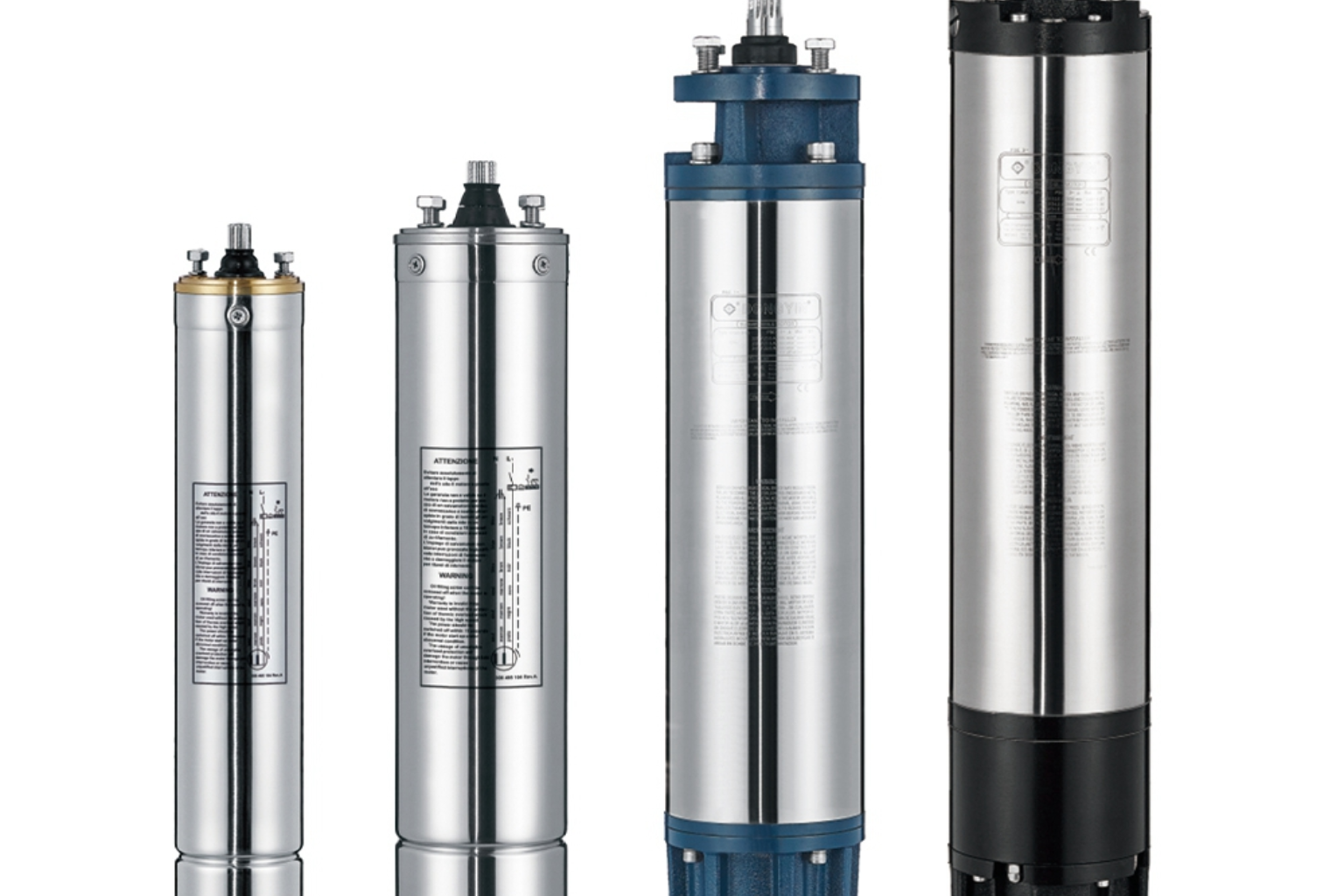
    Most people don’t spend much time thinking about pumps. They exist somewhere in the background — quietly doing their job, moving liquids from one place to another, making life smoother without asking for attention. It’s only when something stops working that we suddenly realize how much we rely on them.

    Think about it for a moment. Water reaching your kitchen tap, fuel flowing at a service station, or drainage systems preventing flooding — all of these everyday conveniences depend on pump technology. And yet, it remains one of the most overlooked pieces of infrastructure in modern life.

    The truth is, pumps aren’t just mechanical tools. They’re problem-solvers that keep homes, businesses, and communities functioning efficiently.


    The Quiet Role Pumps Play in Daily Life

    It’s easy to assume pumps are only used in industrial settings or large-scale infrastructure. But in reality, they’re everywhere — often hidden in plain sight.

    They help circulate water in homes, transfer liquids in workshops, manage drainage during heavy rainfall, and even support agricultural irrigation. In many cases, we interact with their results multiple times each day without realizing it.

    This invisible presence is part of what makes pumps so fascinating. They don’t demand attention. They simply work — consistently, reliably, and often without recognition.


    When Precision Matters More Than Power

    Not all pumps are designed to handle large volumes of water. Some are engineered for accuracy, safety, and controlled liquid transfer. These systems are especially important when dealing with sensitive or hazardous materials.

    That’s where magnetic drive pumps stand out. Unlike traditional pumps that rely on mechanical seals, these designs use magnetic coupling to move liquids without direct contact between moving parts. This reduces the risk of leaks and contamination.

    For industries handling chemicals, medical fluids, or delicate substances, this level of reliability is essential. But even in smaller-scale applications, the benefits of reduced maintenance and improved safety make them increasingly popular.

    It’s a great example of how pump technology continues evolving — not just focusing on strength, but also precision and protection.


    The Versatility That Makes Life Easier

    Some pumps don’t specialize in a single function. Instead, they’re built to handle a wide variety of everyday tasks. These versatile systems often become indispensable tools for homeowners and professionals alike.

    Utility pumps fall into this category. They’re designed for flexibility — whether draining flooded basements, transferring water from tanks, or assisting with construction and landscaping projects.

    What makes them particularly valuable is their adaptability. One day they might be used for clearing standing water after a storm, and the next for emptying a pool or moving irrigation water. This multi-purpose functionality makes them a practical investment for anyone who regularly deals with liquid management.


    The Essential Link in Fuel Systems

    While water management often dominates discussions about pumps, fuel transfer systems are equally important. Without efficient fuel delivery, transportation networks, agriculture, and countless industries would struggle to operate.

    Gas pumps represent one of the most familiar examples. Found at service stations worldwide, these systems measure, regulate, and safely transfer fuel into vehicles with remarkable precision.

    Despite their everyday visibility, most people rarely consider the engineering behind them. These pumps must handle flammable liquids safely while maintaining accuracy and durability under constant use.

    It’s a reminder that pump technology isn’t just about moving fluids — it’s about doing so safely, consistently, and reliably.


    Why Reliability Is the True Value

    One of the most important qualities of any pump system is reliability. Unlike many other tools, pumps often operate continuously, sometimes for years, without significant interruption.

    When they fail, the impact can be immediate and disruptive. Water damage, fuel shortages, or system downtime can quickly create costly problems.

    That’s why regular maintenance plays such a critical role. Simple steps like cleaning filters, inspecting connections, and monitoring performance indicators can help prevent unexpected failures.

    Many professionals describe pump care in the same way they describe vehicle maintenance — routine attention keeps everything running smoothly and avoids major breakdowns.


    The Emotional Side of Functional Infrastructure

    It might sound unusual, but reliable infrastructure has an emotional effect on daily life. When systems operate smoothly, people feel a sense of stability and predictability.

    Water flows when needed. Fuel is available when required. Drainage systems prevent flooding during storms. These small assurances create an underlying sense of comfort that often goes unnoticed.

    Conversely, when these systems fail, the disruption can feel surprisingly stressful. Even minor interruptions can create significant inconvenience, reminding us how dependent we are on the technology supporting our routines.


    A Growing Awareness of Infrastructure Importance

    In recent years, there has been a growing appreciation for infrastructure systems that were once taken for granted. Environmental concerns, resource management challenges, and urban expansion have highlighted the importance of reliable liquid handling technologies.

    Pumps, once seen as purely mechanical devices, are now recognized as essential components of sustainable systems. Advances in energy efficiency, automation, and smart monitoring are helping improve performance while reducing environmental impact.

    This shift reflects a broader understanding that infrastructure isn’t just about functionality — it’s about resilience and long-term sustainability.


    The Unseen Foundation of Modern Living

    At the end of the day, pumps represent one of the quiet foundations of modern life. They support essential services, enable everyday conveniences, and protect homes and communities from potential hazards.

    Their greatest strength may be their ability to remain unnoticed. When they function properly, they blend seamlessly into the background, allowing people to focus on daily activities without concern.

    And perhaps that’s the ultimate measure of success for any piece of infrastructure — working so effectively that we rarely think about it.

    Because when pumps do their job well, they don’t just move liquids. They keep life moving forward — quietly, reliably, and without interruption.

  • When Cleaner Water Changes More Than Just What You Drink

    When Cleaner Water Changes More Than Just What You Drink

    Most people don’t think about water very much — at least not until something feels off. Maybe the laundry comes out stiff. Maybe your coffee tastes slightly dull, even with your favorite beans. Or you notice a thin white film creeping onto faucets and glassware no matter how often you clean.

    These are small things. Easy to brush aside. But together, they tell a quiet story about water quality inside a home.

    Because water doesn’t just quench thirst. It touches almost every part of daily life — from cooking and cleaning to plumbing systems and long-term household maintenance. And when the quality improves, people often notice something surprising: life feels just a little smoother.


    The Invisible Role Water Plays at Home

    Water is one of those background essentials that works quietly behind the scenes. You expect it to function without effort. But when it carries excess minerals, sediments, or trace impurities, the effects show up gradually.

    It may take months — sometimes years — before homeowners connect recurring issues to their water supply. Spots on dishes. Soap that refuses to lather properly. Appliances wearing out faster than expected.

    Once those connections become clear, many people begin exploring ways to improve water performance rather than simply tolerating the problems.


    Why Filtration Is About More Than Safety

    There’s a common misconception that filtration exists only to remove dangerous contaminants. In reality, most residential filtration focuses on improving water usability and comfort.

    Water can meet safety standards while still containing elements that affect taste, clarity, and interaction with household systems.

    That’s where efficient filtration becomes valuable. It works to remove unwanted particles and chemicals while preserving the natural balance of water.

    The result isn’t just safer water — it’s water that behaves better in everyday tasks.


    The Surprising Impact on Cleaning and Household Supplies

    One of the most noticeable changes after improving water quality shows up in cleaning routines.

    Hard water minerals interfere with soap’s ability to dissolve fully, which means people often use more detergent than necessary just to achieve the same results.

    With balanced water, cleaning products work more effectively, leading to reduced soap usage across the home.

    This small shift brings unexpected benefits. Laundry becomes softer. Dishwashing requires less scrubbing. Even bathroom surfaces stay cleaner for longer periods.

    Over time, households often find they spend less on cleaning supplies — an advantage that adds up quietly but consistently.


    Protecting the Systems That Keep Your Home Running

    Water quality also plays a major role in the lifespan of appliances and plumbing systems.

    Mineral buildup can restrict water flow, reduce efficiency, and gradually damage internal components. Water heaters, dishwashers, and washing machines are particularly vulnerable to this slow accumulation.

    Improved water treatment provides critical appliance protection by preventing these deposits from forming in the first place.

    This protection often translates into fewer repairs, lower energy consumption, and longer equipment life — benefits that many homeowners don’t fully appreciate until they experience them firsthand.


    Everyday Comfort You Can Actually Feel

    Beyond technical advantages, better water quality brings noticeable improvements to daily comfort.

    Showers feel more refreshing when water flows cleanly and without residue. Skin tends to feel softer. Hair becomes easier to manage. Even simple routines like washing hands or rinsing vegetables feel different.

    These aren’t dramatic transformations. They’re subtle, steady improvements that gradually enhance how people experience their homes.

    And because they occur in everyday moments, they often matter more than expected.


    The Environmental Advantage of Smarter Water Use

    Improved water quality doesn’t just benefit homeowners — it also supports sustainability.

    When water interacts more effectively with soaps and detergents, less product is needed overall. This reduces chemical runoff and lowers packaging waste.

    Energy efficiency also improves, as appliances operate more smoothly without scale buildup.

    Together, these changes create a quieter environmental benefit — one that doesn’t require lifestyle sacrifices, just better water management.


    The Psychological Value of Reliable Water

    There’s also something intangible about having dependable water.

    When homeowners trust their water supply, they stop second-guessing it. They drink more water naturally. They cook with greater confidence. They worry less about hidden residues or long-term effects.

    This sense of reliability becomes part of a home’s comfort — an invisible layer of security that supports everyday routines.


    Small Adjustments, Lasting Results

    Modern water treatment systems don’t require major lifestyle changes. Many operate automatically, blending seamlessly into household infrastructure.

    Once installed, they quietly improve water performance day after day without demanding constant attention.

    Over time, homeowners often notice that problems they once accepted as normal — stiff laundry, cloudy glassware, frequent appliance repairs — simply fade away.


    A Home That Works More Smoothly

    At its core, improving water quality isn’t just about technology. It’s about creating a living environment that functions more efficiently and comfortably.

    Clean, balanced water supports everything from daily hygiene to long-term home maintenance.

    It’s one of those improvements that doesn’t call attention to itself — yet quietly enhances nearly every aspect of daily life.


    The Quiet Transformation of Better Water

    Perhaps the most remarkable thing about improving water quality is how quickly it becomes invisible.

    You stop noticing spots on dishes. Soap works effortlessly. Appliances run quietly without strain.

    Life simply flows more smoothly.

    And in the end, that quiet reliability is what makes better water so valuable — not because it changes everything at once, but because it steadily improves the small, everyday moments that make a house feel like home.

  • Why Cleaner Water at Home Changes More Than You Expect

    Why Cleaner Water at Home Changes More Than You Expect

    Most of us grow up thinking water is simple. You turn the tap, it runs clear, and that’s usually enough to convince us everything is fine. But the truth is, water quality isn’t always about what we see. Often, it’s about what we don’t notice — the tiny minerals, chemicals, and particles that quietly shape our daily routines.

    It’s strange, really. Water touches almost every part of life. We cook with it, wash in it, clean with it, and rely on it without giving much thought to how it actually affects us. Yet when the quality improves, the difference slowly creeps into everyday experiences in ways that feel both subtle and surprisingly meaningful.

    The Hidden Role Water Plays in Daily Life

    Think about your typical morning. You wake up, brush your teeth, maybe make coffee, take a shower, and wash a few dishes from the night before. Water flows through all of those moments like a silent partner.

    But when water contains excess minerals or unwanted contaminants, those moments aren’t quite as smooth as they could be. Your soap might not lather properly. Your coffee might taste slightly flat. Your skin might feel dry after bathing.

    These issues don’t feel dramatic, so people often accept them as normal. But once water quality improves, they quickly realize those small annoyances were never inevitable — they were simply the result of untreated water.

    Understanding What Filtration Actually Does

    Water filtration isn’t just about making water look clean. It’s about improving how water behaves, how it tastes, and how it interacts with your home and your body.

    Many modern systems are designed to remove chlorine, sediment, heavy metals, and other impurities that can influence everything from flavor to long-term plumbing health.

    When homeowners begin exploring filtration, they often focus on the immediate improvements — like clearer taste and reduced odor. But over time, they discover the deeper filtration benefits extend far beyond the glass in their hand.

    They affect how appliances perform, how skin feels, and even how efficiently cleaning products work.

    The Taste Factor: Why It Matters More Than We Think

    One of the most noticeable changes people experience with better water quality is taste.

    Clean water has a neutral, refreshing flavor. It doesn’t leave behind a chemical aftertaste or a strange metallic note. It simply feels smooth and natural.

    This difference might sound minor, but it can actually influence hydration habits. When water tastes better, people naturally drink more of it. They reach for the tap instead of sugary beverages or bottled alternatives.

    Over time, having consistent access to drinking quality water encourages healthier routines without requiring conscious effort. It’s a quiet lifestyle improvement — one that builds up over months and years.

    Everyday Household Changes You Might Not Expect

    Beyond taste and hydration, improved water quality quietly transforms household tasks.

    Laundry becomes softer. Clothes feel fresher and maintain their color longer. Dishes come out of the dishwasher without streaks or cloudy residue.

    Even simple cleaning tasks require less soap and fewer chemical products when water is properly treated. That’s because filtered water interacts more effectively with detergents, allowing them to do their job without interference from excess minerals.

    These changes often feel small individually, but together they create a noticeably smoother daily routine.

    Protecting the Systems Inside Your Home

    There’s another side to water quality that many homeowners don’t consider until problems arise — the impact on infrastructure.

    Hard minerals and contaminants can accumulate inside pipes, water heaters, and appliances over time. This buildup reduces efficiency, increases energy consumption, and can eventually lead to costly repairs.

    When water is properly filtered, this risk decreases significantly. Many homeowners begin noticing the long-term value of appliance protection, as their washing machines, dishwashers, and plumbing systems operate more smoothly and last longer.

    It’s not always the most visible benefit, but it can be one of the most financially significant.

    A Subtle Impact on Comfort and Well-Being

    Beyond practical advantages, clean water also influences personal comfort in ways that are difficult to measure.

    Skin tends to feel less dry and irritated after bathing. Hair becomes softer and easier to manage. Even the overall shower experience feels more refreshing.

    These changes happen gradually, so people often don’t realize how much water quality was affecting them until they experience the improvement.

    It’s a bit like adjusting lighting in a room — once it’s right, everything simply feels better.

    Environmental and Lifestyle Advantages

    Improving water quality can also support sustainability efforts at home.

    Filtered water reduces reliance on bottled water, which helps minimize plastic waste. It often decreases the amount of cleaning products needed, lowering chemical runoff into the environment.

    And when appliances operate more efficiently, energy consumption can drop slightly as well.

    These environmental benefits may not be the primary motivation for installing filtration, but they often become a welcome bonus.

    Why the Difference Feels So Natural

    What’s fascinating about better water quality is how seamlessly it integrates into daily life.

    There’s no dramatic “before and after” moment. Instead, improvements unfold slowly — in smoother showers, better-tasting coffee, cleaner dishes, and more comfortable skin.

    Eventually, homeowners reach a point where they can’t imagine returning to untreated water. The change feels permanent, like upgrading to a quieter appliance or switching to softer lighting.

    A Quiet Investment in Everyday Living

    At its core, improving water quality is about enhancing something fundamental.

    Water isn’t just a utility — it’s a constant presence in daily life. When its quality improves, everything connected to it becomes slightly easier, more efficient, and more comfortable.

    It’s a quiet investment, one that doesn’t demand attention but consistently delivers value over time.

    Because when water works the way it should, it fades into the background — leaving you free to simply enjoy the moments that matter most.