Blog

  • The Moment You Realize Your Home’s Exterior Deserves More Attention

    The Moment You Realize Your Home’s Exterior Deserves More Attention

    Most homeowners remember the exact moment they start noticing their siding — and it’s rarely because they were looking for it. It usually happens on an ordinary day. Maybe you’re pulling into the driveway after work, and something feels a little… off. The color looks faded. A corner panel doesn’t sit quite right. Or you spot tiny cracks where the sun hits the wall every afternoon.

    It’s subtle at first, easy to dismiss. But once you notice it, you can’t unsee it.

    That’s often the beginning of a bigger realization: the outside of your home isn’t just about appearance. It’s a protective layer that quietly influences comfort, durability, and even energy costs.

    And when that protective layer starts to weaken, it might be time to rethink your siding strategy.

    Why Siding Does More Than Most People Expect

    Siding plays a surprisingly complex role in a home’s performance. It acts as a barrier against rain, wind, temperature changes, and environmental wear. At the same time, it supports insulation systems that regulate indoor comfort.

    When siding begins to deteriorate, the effects ripple through the entire house. Drafts become more noticeable. Moisture may find its way into hidden spaces. Heating and cooling systems work harder to maintain stable temperatures.

    That’s why upgrading siding isn’t simply a cosmetic improvement — it’s an investment in the long-term health of your home.

    The Difference Professional Installation Makes

    One of the biggest factors influencing siding performance isn’t just the material itself — it’s how well it’s installed.

    Even high-quality siding can fail prematurely if installation lacks precision. Gaps, uneven alignment, or improper sealing can lead to moisture infiltration and structural issues.

    This is where expert siding installation becomes essential.

    Professional installers ensure that every panel fits correctly, seals tightly, and aligns with the home’s structural design. Their attention to detail helps maximize durability and long-term performance.

    When installation is done right, siding can protect a home effectively for decades.

    Every Home Has Unique Exterior Needs

    No two houses are exactly alike. Architectural style, climate conditions, and structural materials all influence how siding should be selected and installed.

    A home exposed to heavy rainfall may require moisture-resistant materials. Houses in areas with extreme temperature swings need siding that can handle expansion and contraction without cracking.

    This is why many homeowners benefit from tailored exterior plans designed specifically for their property.

    Customized planning considers factors such as climate exposure, insulation requirements, and aesthetic preferences.

    This personalized approach ensures that siding solutions meet both functional and visual goals.

    Modern Materials Offer New Advantages

    Advances in siding technology have significantly improved performance capabilities.

    Modern materials often provide enhanced resistance to moisture, UV exposure, and impact damage. They also retain color longer, reducing maintenance needs.

    Some options include integrated insulation layers that improve energy efficiency.

    These innovations allow homeowners to achieve better protection and comfort with minimal upkeep.

    Improving Indoor Comfort Through Exterior Upgrades

    Upgrading siding can have a noticeable impact on indoor living conditions.

    Well-installed siding reduces drafts and helps maintain consistent indoor temperatures. This makes heating and cooling systems more efficient, lowering energy costs.

    Many homeowners report that rooms feel quieter and more stable after siding improvements.

    These changes contribute to a more comfortable living environment year-round.

    The Role of Aesthetics in Exterior Improvements

    While performance is critical, visual appeal remains an important factor in siding decisions.

    Updated siding can transform a home’s appearance, making it look newer and more cohesive.

    Color selection, texture, and material style all influence the overall aesthetic impact.

    This is where comprehensive residential siding solutions come into play.

    These solutions combine design expertise with technical performance, ensuring that exterior upgrades enhance both appearance and functionality.

    Long-Term Financial Benefits

    Investing in quality siding offers financial advantages beyond immediate visual improvements.

    Durable materials reduce maintenance costs and extend the lifespan of exterior components.

    Energy-efficient siding can lower utility bills by improving insulation performance.

    Additionally, exterior upgrades often increase property value, making them attractive investments for homeowners considering future resale.

    The Emotional Impact of Exterior Renewal

    Beyond practical benefits, siding upgrades can create a powerful emotional effect.

    A refreshed exterior often brings renewed pride in homeownership. Homeowners may feel more confident inviting guests or simply enjoying their property.

    There’s a sense of satisfaction in knowing that the house not only looks better but is also better protected.

    This emotional reward often becomes one of the most meaningful outcomes of exterior improvements.

    A Strong Exterior Supports Everything Inside

    Siding may seem like a surface-level feature, but it plays a foundational role in protecting the entire home.

    From shielding against weather damage to improving energy efficiency and enhancing visual appeal, its impact extends far beyond appearance.

    By investing in professional installation, customized planning, and durable materials, homeowners can ensure long-term performance and comfort.

    Because in the end, the outside of your home isn’t just what people see — it’s what quietly safeguards everything inside, every single day.


  • Why Log Management Is Critical for Breach Detection

    Why Log Management Is Critical for Breach Detection

    Every system, application, and network device in your environment generates log data that records what happened, when, and by whom. This data holds the evidence of both legitimate activity and malicious behaviour. The difference between organisations that detect breaches quickly and those that discover them months later often comes down to how effectively they collect, store, and analyse their logs.

    Log collection must be comprehensive to be useful. Gaps in coverage create blind spots that attackers exploit deliberately. Authentication logs from identity providers, access logs from web applications, network flow data from firewalls and switches, endpoint activity from workstations and servers, and cloud audit trails from each provider all contribute to the complete picture that effective detection requires.

    Centralised log aggregation brings data from disparate sources into a single searchable platform. When logs remain scattered across individual systems, correlating events across the attack chain becomes impractical. An attacker who authenticates through the VPN, moves laterally through the network, and accesses a database generates log entries across multiple systems that only make sense when viewed together.

    Log retention policies balance storage costs against investigative needs. Retaining logs for too short a period means that evidence of slow-moving attacks may be deleted before the breach is even detected. Industry best practice and regulatory requirements typically call for retention periods measured in months or years, with specific categories of logs retained longer based on their security relevance.

    Alerting rules transform passive log data into active detection capability. Rules that trigger on known malicious patterns, anomalous behaviour, and policy violations bring potential threats to analyst attention in real time. Without alerting, log data serves only as a forensic resource after incidents are discovered through other means.

    Expert Commentary

    William Fieldhouse | Director of Aardwolf Security Ltd

    “Organisations that cannot search their logs effectively cannot detect breaches. We consistently find that security teams have the data they need to identify compromises but lack the tools, processes, or capacity to analyse it in time. A well-designed log management strategy turns raw data into detection capability.”

    Engaging the best penetration testing company for assessments that evaluate your detection capability reveals whether your log management actually catches attacks. During testing, professional assessors perform activities that should trigger alerts and generate log entries, then verify whether your security team detected and investigated them. This validation is far more valuable than reviewing logging configurations on paper.

    Log integrity protection prevents attackers from covering their tracks. If compromised systems can delete or modify their own logs, an attacker who gains administrative access can erase evidence of their activities. Forwarding logs to a separate, secured collection platform in real time ensures that evidence persists even when the source system is fully compromised.

    Structured logging standards make analysis more effective. When applications generate logs in consistent, parseable formats with standardised fields, correlation and searching become significantly easier. Investing in logging standards across your application portfolio reduces the manual effort required to build effective detection rules.

    Regular internal network penetration testing generates the kind of malicious activity that your log management should detect. Comparing the testing team’s activity log against your detection results reveals coverage gaps, missing log sources, and alerting rules that need adjustment. This comparison provides a concrete measure of your detection effectiveness.

    Log management is not a technology project with a finish line. It requires ongoing tuning, expanding coverage as the environment evolves, adjusting retention as requirements change, and refining alerting rules as new threats emerge. The organisations that invest in continuous log management improvement detect breaches faster, respond more effectively, and suffer less damage than those treating logs as an afterthought.

  • Official Badminton Court Specification: Court Size, Markings & Surface

    Official Badminton Court Specification: Court Size, Markings & Surface

    Understanding the badminton court specification is essential before planning, constructing, or upgrading a badminton court. From court size and line markings to surface performance and durability, every detail influences how the game is played and how long the court lasts. For schools, academies, clubs, and residential facilities, getting the specifications right also helps control the badminton court cost over the long term.

    Why Badminton Court Specification Matters

    Badminton is a fast, precision-driven sport where footwork and balance are critical. Even small deviations in court dimensions or surface quality can affect player movement, shot accuracy, and safety. A properly specified court ensures fair play, predictable shuttle movement, and reduced injury risk.

    Correct badminton court specification also avoids future correction costs. Courts built without proper planning often require resurfacing or remarking, which increases overall badminton court cost.

    Standard Badminton Court Size and Layout

    The official badminton court specification defines a rectangular playing area with clearly marked boundaries. A standard badminton court measures 13.4 meters in length and 6.1 meters in width for doubles play. For singles matches, the width is reduced to 5.18 meters while the length remains the same.

    These dimensions are designed to balance speed, agility, and endurance. The court layout includes specific zones for service courts, center lines, sidelines, baselines, and short service lines. Accurate measurement and alignment are essential to maintain the integrity of the game.

    Court Markings and Line Specifications

    Court markings are a critical part of badminton court specification. All lines must be clearly visible, uniformly colored, and drawn within precise limits. The standard line width is 40 millimeters, and lines should contrast clearly with the playing surface.

    Different lines serve different purposes for singles and doubles play. This makes precision even more important, as incorrect markings can confuse players and officials. High-quality line marking materials ensure durability and visibility, especially in high-usage indoor courts.

    Net Height and Positioning

    Net placement is another key element of badminton court specification. The net must be positioned exactly at the center of the court, dividing it into two equal halves. The height of the net is 1.55 meters at the posts and 1.524 meters at the center.

    Correct net height ensures fair gameplay and proper shuttle trajectory. Even small deviations can change the nature of rallies and affect competitive balance.

    Importance of Badminton Court Flooring Surface

    The playing surface is one of the most influential factors in badminton performance. Unlike outdoor sports, badminton is primarily played indoors, where flooring quality directly impacts grip, shock absorption, and player safety.

    Modern badminton court specification strongly favor synthetic flooring systems over traditional concrete or wooden surfaces. Synthetic badminton court flooring provides consistent traction, reduces joint stress, and supports fast lateral movement.

    Common Badminton Court Flooring Options

    Synthetic acrylic flooring is widely used due to its durability and controlled grip. It creates a smooth, non-slip surface suitable for training and competitive play. This flooring type also allows accurate line marking and long-term performance with minimal maintenance.

    PVC and vinyl-based sports flooring systems are also popular in professional indoor courts. These systems offer excellent cushioning and comfort, making them ideal for high-level play and daily training environments. Wooden flooring, while traditional, requires more maintenance and higher investment, increasing badminton court cost over time.

    How Flooring Choice Affects Badminton Court Cost

    Badminton court cost is influenced by several factors, but flooring choice plays a major role. Initial installation costs vary depending on the material, base preparation, and cushioning requirements. However, long-term costs often matter more than upfront expenses.

    Low-quality surfaces may appear affordable initially but require frequent repairs or replacement. High-quality synthetic flooring systems reduce maintenance frequency and provide consistent performance for years, making them more cost-effective in the long run.

    Base Preparation and Construction Considerations

    A proper base is essential for meeting badminton court specification standards. The base is usually concrete, designed to be perfectly level and free from cracks. Any unevenness in the base can transfer to the surface, affecting play quality and increasing wear.

    Before applying the final surface, leveling compounds and primers are used to ensure strong bonding and surface uniformity. Proper construction reduces future maintenance issues and stabilizes overall badminton court cost.

    Indoor Environment and Lighting Requirements

    Badminton courts are typically indoor, and environmental conditions significantly affect gameplay. Adequate ceiling height is required to allow high shuttle trajectories without obstruction. Lighting must be evenly distributed to avoid shadows and glare.

    While lighting and ventilation are not part of the court surface itself, they are closely tied to overall badminton court specification and should be planned alongside flooring and layout.

    Maintenance and Longevity of a Badminton Court

    One of the advantages of modern badminton court flooring systems is ease of maintenance. Regular cleaning removes dust and sweat residue that can affect grip. Periodic inspection helps identify early signs of wear.

    With proper care, high-quality synthetic badminton courts can last many years without major resurfacing. This significantly reduces lifecycle badminton court cost and ensures uninterrupted play.

    Common Mistakes in Badminton Court Specification

    Many courts fail to meet official standards due to incorrect dimensions, poor-quality flooring, or improper line markings. These mistakes often arise from focusing only on initial cost rather than long-term performance.

    Following official badminton court specification guidelines and using proven materials helps avoid these issues and ensures the court remains compliant and functional.

    Future Trends in Badminton Court Design

    As badminton continues to grow globally, court design is evolving toward better player comfort and sustainability. Advanced synthetic flooring systems with improved shock absorption and eco-friendly materials are becoming more common.

    These innovations aim to enhance performance while controlling badminton court cost through longer service life and reduced maintenance.

    Final Thoughts 

    A well-planned badminton court specification ensures accurate gameplay, player safety, and long-term durability. From court dimensions and markings to surface selection and construction quality, every element contributes to the court’s success.

    Understanding how specifications influence badminton court cost helps facility owners make informed decisions that balance performance with budget. Investing in quality materials and proper construction leads to better play experiences and lower long-term expenses.

    For schools, academies, and sports facilities, adhering to official badminton court specifications is the foundation of a professional, reliable, and future-ready badminton court.

    Title: Official Badminton Court Specification: Court Size, Markings & Surface

    Description: Learn the official badminton court specification, including court size, markings, surface types, and how these factors impact badminton court cost.

  • Why Older Homes Are More Vulnerable to Pest Infestations

    Why Older Homes Are More Vulnerable to Pest Infestations

    Older homes often have undeniable charm, ornate details, solid craftsmanship, and a sense of history that newer builds can’t replicate. But alongside that character comes structural challenges that develop slowly over decades. One of the most common and frustrating issues homeowners face is pest infestations that seem to return no matter how clean the house is kept.

    This is because pest problems in older homes are rarely caused by poor hygiene. Instead, they are usually structural. Age-related wear creates access points, nesting zones, and environmental conditions that pests actively seek out. Without addressing these underlying factors, even repeated Pest Control Servicesmay only offer temporary relief.

    Small Gaps That Add Up Over Time

    As homes age, their materials naturally change. Timber expands and contracts over decades of temperature shifts. Old sealants dry out, crack, and pull away from surfaces. Small gaps form around windows, eaves, vents, and rooflines, often so gradually that homeowners don’t notice them.

    Repairs completed years apart may not align perfectly with original materials, leaving uneven joins or weak seals. Individually, these gaps seem harmless. Collectively, they create a network of easy entry points for insects and animals. Pests don’t need large openings; many can enter through spaces smaller than a coin.

    Why Roofs Are a Major Weak Point in Older Homes

    The roof is one of the most vulnerable areas in older properties. Loose tiles, worn flashing, brittle ridge caps, and aged roofing materials are common issues. These faults often go unnoticed because they aren’t visible from inside the home.

    Roof spaces are warm, dry, dark, and rarely disturbed, perfect nesting conditions for pests. Bees, cockroaches, and rodents frequently enter through roof gaps before spreading into wall cavities and ceilings. This is often why homeowners only begin searching for roofers near me after pest activity has already escalated.

    How Bees and Cockroaches Exploit Older Structures

    Bees are particularly drawn to older homes because of the cavities they offer. Wall voids, roof spaces, and gaps behind cladding provide protected areas to build hives without detection. Once established, colonies can grow rapidly and become difficult to remove without professional bee control.

    Cockroaches thrive for different reasons. Older homes often contain moisture-prone areas, untreated timber, and interconnected voids that allow roaches to move freely. Once inside, they don’t stay confined to one room. They spread through ceilings, walls, and service ducts, making infestations harder to trace and eliminate.

    Outdated Building Materials Create Ideal Conditions

    Many older homes were built using materials that are no longer standard today. Untreated or ageing timber is more susceptible to insect activity. Older insulation materials can retain moisture and provide nesting material. Ventilation systems in older properties are often less efficient, allowing humidity to build up.

    Plumbing and drainage layouts may also contribute to moisture retention under floors or behind walls. These damp, concealed environments support pest survival long before any visible signs appear. By the time insects are noticed, colonies may already be well established.

    Why DIY Fixes Rarely Work in Older Homes

    Homeowners often turn to DIY sprays, baits, or sealants when pests appear. While these methods may reduce visible activity temporarily, they rarely address the root cause, especially in older homes.

    Sprays target surface pests, not nesting areas. Sealing one visible gap often leaves dozens of others untouched. Roof voids and wall cavities remain untreated, allowing pests to continue breeding out of sight. In properties with decades of structural wear, pest issues are usually interconnected rather than isolated. This is why repeated infestations are common even after multiple DIY attempts.

    The Role of Roof Condition in Long-Term Pest Issues

    Roof deterioration plays a central role in ongoing pest problems, particularly in older properties. Loose or shifted tiles allow repeated entry points that pests quickly learn to exploit. Damaged or poorly sealed flashing creates sheltered pathways into roof spaces, offering insects and animals a protected route into the home.

    Even minor roof leaks can have a significant impact, as ongoing moisture attracts insects and creates conditions that support nesting and breeding over time.

    Many homeowners only make the connection after pest problems keep returning despite repeated treatments. This often leads them to search for roofers near me as a last resort, once infestations have already become established.

    Addressing roof integrity earlier, before gaps widen or leaks worsen, can significantly reduce pest access, limit nesting opportunities, and prevent infestations from becoming chronic and costly to resolve.

    Why Early Action Matters More in Older Properties

    Delaying action in older homes carries a greater risk. Interconnected cavities allow infestations to spread quickly. Structural timber can suffer long-term damage from insects and moisture. Treatment and repair costs increase the longer pests are allowed to remain.

    Older homes benefit most from proactive care. Regular inspections, early repairs, and timely Pest Control interventions help preserve both the structure and liveability of the property.

    Practical Steps Older-Home Owners Can Take

    Homeowners can reduce pest risks by inspecting roof spaces periodically and addressing roof wear before pests exploit it. Structural gaps should be sealed as part of ongoing maintenance, not reactive repairs.

    Professional bee control and targeted cockroach treatments should be used when activity is detected, especially in roof or wall cavities. Relying solely on surface sprays often prolongs the problem rather than solving it. Taking a whole-property approach is far more effective than treating individual rooms.

    Understanding the Real Cause

    Pest infestations in older homes are rarely about cleanliness. They’re about access, structure, and age. Understanding where pests enter, particularly through roofs and hidden voids, is the first step toward stopping repeat problems.

    By addressing structural vulnerabilities early and supporting them with appropriate Pest Control, homeowners can protect their property and prevent infestations from becoming a recurring issue.

    FAQs

    Why do pests keep coming back in older homes?

    Because structural gaps, roof access points, and hidden cavities remain untreated.

    Are roof spaces really that important for pest prevention?

    Yes. Roof voids are one of the most common entry and nesting areas for pests.

    Can bees damage my home if left untreated?

    Yes. Large colonies can damage structures and create safety risks.

    Is DIY pest control effective in older houses?

    It may reduce visible pests temporarily, but it rarely eliminates hidden nests.

    When should I involve professionals?

    As soon as pest activity is detected, early intervention prevents larger infestations.

  • Emergency Plumbing Services Around the Clock: Your Trusted 24 Hour Plumber in Raleigh

    Emergency Plumbing Services Around the Clock: Your Trusted 24 Hour Plumber in Raleigh

    When a plumbing emergency strikes, time is of the essence. A burst pipe in the middle of the night, a clogged toilet during a family gathering, or a water heater leak on a cold winter morning can all wreak havoc if not addressed immediately. That’s where a 24 Hour Plumber Raleigh becomes a homeowner’s best ally. Whether it’s a minor leak or a full-blown plumbing disaster, having a reliable, round-the-clock plumber in Raleigh can save your home from serious water damage and expensive repairs.


    Why 24/7 Plumbing Services Matter

    Plumbing issues don’t stick to a 9-to-5 schedule. Emergencies often occur after hours, on weekends, or during holidays—times when many plumbing companies are closed. That’s why 24-hour plumbing services are essential. These services provide peace of mind, knowing that whenever a problem arises, help is just a phone call away.

    A 24-hour plumber doesn’t just offer availability—they bring experience, quick diagnosis, and effective solutions to keep damage and stress to a minimum. Whether it’s a flooded basement or a broken sump pump, an emergency plumber in Raleigh can respond fast and restore normalcy.


    Services Offered by Emergency Plumbers

    Most 24/7 plumbers in Raleigh offer a wide range of services to tackle urgent problems. These include:

    • Burst pipe repair
    • Drain cleaning and unclogging
    • Water heater repair and replacement
    • Leaking faucet or toilet fixes
    • Sewer backup resolution
    • Gas line emergencies
    • Slab leak detection and repair

    Their vehicles are typically stocked with essential tools and replacement parts, ensuring they can resolve most issues on the spot without having to make multiple trips.


    Choosing the Right Residential Plumber in Raleigh

    Plumbing emergencies aside, homeowners also need a dependable partner for routine maintenance, installations, and long-term plumbing upgrades. A skilled Residential Plumber Raleigh is equipped to handle everything from repiping and fixture installations to bathroom renovations and water filtration systems.

    The right residential plumber offers more than technical skill—they provide professionalism, punctuality, and transparency. Look for licensed and insured plumbers with solid reviews, upfront pricing, and warranties on their workmanship. Bonus points if they’re locally owned and operated, which often means faster response times and more personalized service.


    Preventative Maintenance Is Key

    Homeowners often overlook their plumbing systems until something breaks. But regular inspections and maintenance can prevent most emergencies. A residential plumber can help by:

    • Performing annual plumbing inspections
    • Flushing water heaters to prevent sediment buildup
    • Checking for slow leaks and worn-out fixtures
    • Inspecting sewer lines for root intrusion
    • Replacing old pipes before they fail

    These proactive measures can extend the life of your plumbing system and reduce costly surprises.


    Final Thoughts

    Whether you’re facing a sudden plumbing disaster or planning a home renovation, finding a plumber you can trust is essential. Raleigh residents are fortunate to have access to experienced professionals who are available 24/7 and ready to help protect their homes.

    Remember: don’t wait for a flood to find your go-to plumber. Build a relationship with a trusted service provider before disaster strikes—so when it does, you know exactly who to call.

  • When Water Shapes a Space: Rethinking What Flows Through Our Buildings

    When Water Shapes a Space: Rethinking What Flows Through Our Buildings

    Water has a strange way of disappearing into the background. It’s always there—running through pipes, filling tanks, cooling systems, cleaning surfaces—yet most people only notice it when something goes wrong. A metallic taste. Cloudy ice. Fixtures that never quite look clean. In larger buildings especially, water isn’t just a utility; it’s part of the structure’s nervous system.

    Whether it’s an apartment complex, an office building, or a mixed-use space, water quality quietly influences comfort, efficiency, and long-term costs. And while it’s easy to assume “good enough” is fine, many building owners eventually realize that water deserves a closer look.


    The Scale Changes Everything

    What works in a single-family home doesn’t automatically work in a multi-story building. Water volume, pressure, usage patterns, and maintenance demands increase dramatically as buildings grow. Showers run simultaneously. HVAC systems rely on consistent water quality. Common areas demand constant cleaning.

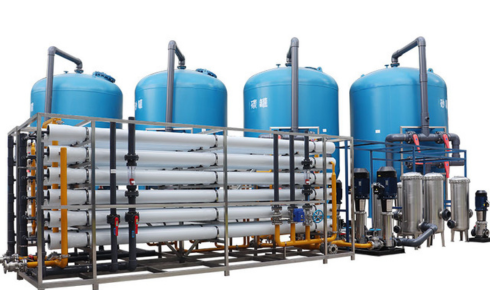
    This is where building filtration becomes less of a nice-to-have and more of a practical necessity. Filtering water at scale isn’t about perfection; it’s about consistency. It helps reduce sediment, manage minerals, and protect downstream systems that would otherwise take the hit.

    When filtration is handled at the building level, everyone benefits quietly. Residents notice fewer spots on fixtures. Maintenance teams spend less time dealing with scale. Equipment lasts longer without drawing attention to itself.


    Taste, Trust, and the Human Factor

    Even in commercial or residential buildings, water eventually meets people. They drink it. They cook with it. They wash with it. And humans are remarkably sensitive to taste and smell, even if they can’t articulate what’s wrong.

    That’s one reason some buildings incorporate reverse osmosis systems for specific applications like drinking water stations or food service areas. These systems focus on removing dissolved solids that affect taste and clarity. The result isn’t flashy—it’s just water that feels neutral, dependable, and easy to trust.

    Trust matters more than we realize. When people trust their water, they hydrate more, complain less, and stop seeking workarounds like bottled alternatives. That shift alone can change how a space feels to live or work in.


    Not All Water Comes From the Same Place

    Urban buildings often rely on municipal supplies, but many properties—especially in suburban or rural areas—draw from private wells. Well water has its own personality. It reflects local geology, seasonal changes, and even nearby land use.

    That’s where well water treatment enters the conversation. Unlike municipal water, well water isn’t pre-treated to the same standard. It may contain iron, sulfur, bacteria, or fluctuating mineral levels. None of this is unusual, but it does require attention.

    Treating well water isn’t about fear; it’s about adaptation. Systems are chosen based on what the water actually contains, not assumptions. When done right, treated well water can be just as reliable and pleasant as any city supply—sometimes even better.


    The Quiet Cost of Doing Nothing

    Water problems rarely announce themselves loudly at first. They creep. Scale builds slowly inside pipes. Sediment settles where you can’t see it. Efficiency drops a little at a time. Energy bills inch upward. Maintenance calls become more frequent.

    Individually, these issues feel manageable. Together, they form a pattern that’s hard to ignore. Doing nothing isn’t free—it’s just expensive in less obvious ways.

    Building owners often discover that proactive water management costs less over time than constant reactive fixes. It’s not about chasing problems; it’s about preventing them from forming in the first place.


    One Building, Many Needs

    A mixed-use building might house offices, retail spaces, and residential units under one roof. Each has different water demands. Offices prioritize reliability. Retail spaces care about cleanliness and presentation. Residents care about comfort and taste.

    There’s no single solution that magically satisfies everyone. The best systems acknowledge complexity. They layer solutions where needed, address specific pain points, and avoid unnecessary complexity elsewhere.

    That flexibility is what separates thoughtful planning from cookie-cutter installs.


    Maintenance Isn’t a Failure—It’s Part of the Design

    Even the best systems require care. Filters need replacement. Components wear over time. Monitoring matters. The difference is whether maintenance feels routine or disruptive.

    Well-designed water systems are built with access and serviceability in mind. They don’t hide critical components behind walls or require full shutdowns for simple tasks. When maintenance is expected and planned, it becomes part of normal operations instead of a recurring emergency.

    This mindset saves stress as much as it saves money.


    Sustainability Lives in the Details

    Water efficiency isn’t just about reducing usage; it’s about reducing waste caused by poor quality. Scale buildup forces heaters to work harder. Sediment shortens equipment life. Chemical overuse compensates for underlying issues.

    By improving water quality at the source, buildings often reduce energy consumption and chemical reliance without dramatic changes. These improvements align naturally with sustainability goals, even if that wasn’t the original motivation.

    Sometimes the greenest upgrades are also the most practical ones.


    Thinking Beyond Today

    Buildings outlive trends. What feels adequate today might struggle tomorrow as occupancy increases or usage patterns shift. Water systems should be chosen with that horizon in mind.

    Planning for growth doesn’t mean overspending. It means leaving room to adapt without tearing everything out later. That foresight often pays off quietly, year after year.


    When Water Finally Stops Being a Problem

    The best compliment a water system can receive is silence. No complaints. No emergencies. No constant adjustments. Just steady, reliable performance.

    When water is handled well, it fades back into the background where it belongs. People focus on living, working, and building community—not on what’s coming out of the tap.

    And in a world full of visible upgrades and loud improvements, getting water right is one of those rare wins you feel more than you see.

  • Why Dura Cube Salt Is the Quiet Hero of Water Softeners

    Why Dura Cube Salt Is the Quiet Hero of Water Softeners

    There’s something oddly comforting about running your hands under a warm stream of soft water—it just feels right. It’s silky, kind to your skin, and doesn’t leave your favorite mug coated in that strange chalky residue. But behind that soothing experience is a behind-the-scenes player that doesn’t get nearly enough credit: salt. Specifically, dura cube salt.

    Now, I know—salt isn’t exactly the most exciting thing to chat about over dinner. But if you’ve ever dealt with hard water issues, or worse, a water softener that’s misbehaving, you start to appreciate the small things. And that’s where Dura Cube steps into the spotlight.


    It’s Not Just Salt. It’s the Right Salt.

    Let’s be honest—most of us don’t think much about the type of salt we pour into our water softeners. We see a bag on sale, toss it in the cart, and call it a day. But here’s the thing: not all salt is created equal. Some are dirty. Some clump. And some leave behind a brine tank disaster that’s a headache to clean.

    That’s where Dura Cube shines. It’s made using a compacted evaporation process that results in high-purity, consistently shaped cubes. These little nuggets dissolve smoothly, leave no muddy mess, and help your system regenerate efficiently. Basically, it’s the difference between fueling your car with premium gas versus whatever’s cheapest at the pump. Both might get you moving, but one will treat your engine a whole lot better.


    You Can Find It Where You Shop

    You don’t have to go down some obscure rabbit hole to find this salt, either. If you’ve typed “dura cube salt menards” into your browser recently, you’re not alone. Big-box retailers like Menards make it easy to grab a few bags while you’re picking up everything else for your weekend projects.

    The bonus? Menards often runs promotions or bulk deals, which is handy when you’re managing a busy household and don’t want to restock every couple of weeks. Just throw it in your trunk, park it next to the lawn fertilizer and power tools, and you’re set for a while.


    Why It Actually Matters

    I get it—salt is salt, right? Well, not exactly. Cheap salts often contain impurities that settle at the bottom of your brine tank, leading to clogs and buildup. This gunk slows down your system, reduces efficiency, and might even shorten your softener’s life. Worst case, you’ll be calling for repairs—or worse, replacements.

    Dura Cube salt, on the other hand, reduces these headaches. It’s clean. It’s consistent. It just works. And over time, you’ll notice. Softer towels. Better-tasting water. Appliances that don’t give up early. It’s the kind of change that’s subtle at first, then becomes your new standard.


    The Shape of Things to Love

    Let’s talk form. You’d think cube salt would be an afterthought—just a clever name. But nope. The actual cube shape is key. It’s compact enough to dissolve quickly but solid enough to avoid breaking down into mush too soon.

    This matters for regeneration cycles in your softener. When salt dissolves too fast or too unevenly, the system doesn’t get the recharge it needs. With cube salt, the dissolution is even, steady, and predictable. Translation? Your softener works better, longer, and with less fuss.


    A Word From People Who Switched

    Talk to folks who made the switch to Dura Cube and you’ll often hear a version of the same story: “I didn’t think it would matter, but it totally did.” Sometimes it’s the smoother showers. Sometimes it’s the lack of salt bridging. And sometimes it’s just peace of mind—knowing they’re doing their part to protect their home’s plumbing and appliances.

    It’s kind of like switching from generic batteries to name-brand. You realize pretty quickly why it’s worth it.


    Final Thoughts From Someone Who’s Been There

    Look, I’m not here to tell you to revolutionize your life with water softener salt. That would be a little much. But I will say this: when small, behind-the-scenes things are running smoothly, your entire home feels better.

    And that’s what Dura Cube salt offers. It’s one of those quiet household upgrades that doesn’t scream for attention—but it makes a real difference. You save time, money, and frustration, and your water softener runs like a dream.

    So the next time you’re wheeling your cart through Menards or shopping online for salt, maybe skip the budget bin and go for the good stuff. You—and your softener—will notice the difference.

  • Why More Houstonians Are Turning to Water Softeners

    Why More Houstonians Are Turning to Water Softeners

    There’s something quietly frustrating about hard water. You don’t always notice it immediately, but over time, it shows up in little annoyances — dry skin, spotty dishes, dingy laundry, a shower that never quite feels “clean.” If you’ve lived in Houston long enough, you’ve probably experienced it. That chalky film on the faucet? Yeah, that’s hard water in action.

    Thankfully, there’s a solution. And more homeowners are discovering the comfort (and savings) that come with installing a reliable water softener system. It’s not a luxury — it’s becoming a necessity. Especially in a city like ours where the water can be, well… a bit stubborn.


    A Daily Upgrade That Pays Off Over Time

    Let’s be honest. When most folks think about upgrading their home, they picture a new kitchen backsplash or fancy lighting — not something hidden in the garage or utility closet. But that’s exactly where some of the best improvements happen.

    A quality water softener might not be Instagram-worthy, but it protects your appliances, improves your showers, extends your plumbing life, and even helps your soap work better. It’s the kind of quiet, consistent upgrade that makes every day feel just a little bit nicer.

    And for folks searching for dependable water softener companies in houston, the good news is: you’ve got options. Local businesses are stepping up, offering not just products, but personalized guidance based on your home’s specific water needs.


    What Is Hard Water, Really?

    Quick science break — hard water is loaded with minerals like calcium and magnesium. It’s not dangerous to drink, but it’s tough on just about everything else. From faucets to fabrics, those minerals leave residue and scale, wearing things down faster than you’d expect.

    If your water heater is working overtime or your dishwasher always seems one cycle away from giving up, hard water might be the reason. And if your skin always feels tight after a shower? You guessed it. Same culprit.

    That’s why residents are turning to trusted water softener companies houston professionals who understand local water issues — and know exactly how to handle them.


    Local Experts Know Local Water

    One of the smartest moves you can make when shopping for a water softener? Going local. Houston isn’t just any city — it has its own set of water quirks. Local companies know which neighborhoods tend to have the hardest water, what kinds of systems work best with our regional plumbing, and how to service them efficiently.

    Plus, supporting a Houston-based business means faster service, more reliable support, and pros who actually pick up the phone when you call. That kind of local accountability matters more than most people think.


    What Makes a Good Water Softener Company?

    Here’s what to look for:

    • Transparent pricing (nobody likes surprise fees)
    • Free or affordable water testing
    • Multiple system options — not just one “default” unit
    • Professional installation and aftercare
    • Solid warranties and reviews from local homeowners

    A great provider will walk you through the options without making you feel like you need an engineering degree to understand them. They’ll explain terms like “grain capacity” and “resin tank size” in plain English. They’ll ask questions about your water use, family size, and even your laundry habits.

    They’ll treat it like a conversation, not a pitch.


    Not All Systems Are Created Equal

    Here’s something a lot of people don’t realize — the same water softener won’t work equally well in every home. Got a big household with multiple bathrooms? You’ll need something stronger than a couple living in a condo. Planning to soften water for cooking and drinking, or just laundry and bathing?

    That’s where local experience comes in. With so many water softener houston tx models on the market, having a pro help you navigate makes a big difference. From traditional salt-based systems to salt-free conditioners and dual-tank units, there’s something for every lifestyle and budget.


    Is It Worth the Cost?

    It’s a fair question. A water softener isn’t pocket change — but it’s not an unnecessary expense either. In fact, it’s often a money-saver.

    Think about the long game: fewer appliance repairs, longer-lasting plumbing, less detergent and shampoo, smoother laundry, and less frequent hot water heater maintenance. Add in the intangible but real benefits of softer skin, shinier hair, and dishes that don’t look cloudy — and suddenly, it’s not hard to justify the investment.


    Maintenance? Easier Than You Think

    One reason folks hesitate to get a softener is the assumption it’ll be a maintenance nightmare. Not true. Most modern systems just need the occasional salt refill or cartridge change — tasks you can handle in under five minutes.

    And many Houston companies offer automatic delivery, routine checkups, and even smart systems that alert you when service is needed. It’s set-and-forget… with a bit of backup.


    Final Thoughts: Better Water, Better Living

    In a city as vibrant and growing as Houston, home comfort matters. You spend a lot of time in your space — cooking, showering, cleaning, relaxing. And if your water isn’t pulling its weight, you feel it.

    The good news? You don’t have to settle. Not for itchy showers. Not for flaky faucets. Not for underperforming appliances.

    Houston residents are waking up to the power of water softeners. And when you find the right provider, it’s not just about fixing a problem — it’s about making life flow a little smoother.

  • The Day You Stop Guessing About Your Water

    The Day You Stop Guessing About Your Water

    Most of us live with our water rather than think about it. We turn on the tap, fill a glass, rinse a plate, step into the shower—done. Water is supposed to be invisible, dependable, unremarkable. And for a long time, it is. Until one day it isn’t.

    Maybe the coffee tastes different at home than it does elsewhere. Maybe your skin feels dry no matter what soap you use. Maybe you’ve replaced a water heater sooner than expected and quietly wondered why. These moments don’t feel urgent, but they do plant a seed. Something might be going on here.

    When curiosity replaces assumption

    What’s interesting is how long people tolerate uncertainty about their water. We’ll research phones for weeks, read reviews before buying a toaster, but drink the same water for years without asking a single question. It’s not neglect—it’s trust. Water feels fundamental, like air.

    Eventually though, curiosity wins. That’s often when someone stumbles across the idea of a free water test, not because they suspect disaster, but because they want clarity. A baseline. A way to replace “maybe” with actual information.

    And that’s usually the turning point.

    Seeing the invisible for the first time

    Water problems rarely announce themselves. There’s no warning light on your faucet. Most issues don’t smell or taste dramatic. That’s why proper water quality testing feels almost like lifting a curtain. Suddenly, the things you couldn’t see—or didn’t know how to interpret—start to make sense.

    Minerals explain the scale. pH explains the metallic taste. Sediment explains the cloudy ice cubes. It’s not about labeling water as “good” or “bad.” It’s about understanding its personality and how it behaves in your home.

    Once you know, you can stop guessing.

    Why testing feels surprisingly personal

    People often expect water testing to feel clinical or technical. But it tends to feel personal instead. This is the water you drink every day. The water your kids brush their teeth with. The water that runs through appliances you paid good money for.

    Seeing results can trigger relief, concern, or sometimes both. But mostly, it triggers control. You’re no longer reacting to symptoms—you’re responding to facts. That shift alone changes how homeowners think about their space.

    Water stops being a mystery and starts being part of the conversation.

    Not every result means you need everything

    One of the biggest myths about water improvement is that testing leads straight to expensive upgrades. In reality, many people discover their water is mostly fine, with one or two quirks. Maybe it’s hardness. Maybe it’s taste. Maybe it’s something that only affects drinking water.

    Good testing doesn’t push you toward extremes. It narrows your focus. It helps you choose solutions that match your actual needs, not someone else’s marketing brochure.

    Sometimes the best outcome is simply peace of mind.

    Taste, trust, and daily habits

    Taste is often where change becomes noticeable. You might not think much about your tap water until you taste better water elsewhere. Then suddenly, you can’t un-taste the difference.

    That’s why systems like reverse osmosis tend to come up in conversations about drinking water. Not because people want complexity, but because they want consistency. They want water that tastes the same every day, no matter what’s happening upstream or underground.

    When water tastes clean and neutral, habits shift naturally. People drink more of it. Bottled water purchases quietly disappear. Coffee improves without changing beans. It’s subtle, but it sticks.

    Treatment as a quiet upgrade, not a lifestyle overhaul

    The best water solutions don’t ask you to change your life. They fit into it. They work quietly, without reminders or constant maintenance anxiety. Once installed, they fade into the background.

    This matters more than people admit. No one wants another thing to manage. Homeowners stick with systems that respect their time and attention, systems that solve problems without becoming one.

    When water treatment feels effortless, it actually lasts.

    The ripple effect on the home

    Improved water doesn’t just affect what you drink. It changes how the whole house functions. Appliances run more efficiently. Fixtures stay cleaner longer. Soap works the way it’s supposed to.

    Even chores feel different. Less scrubbing. Less rewashing. Less replacing things that “should’ve lasted longer.” These savings don’t always show up as a single dramatic number, but over time, they’re very real.

    And they start with understanding, not guesswork.

    Why “later” often costs more

    Many homeowners delay testing because nothing feels urgent. And that’s understandable. Water issues are rarely emergencies. But they are accumulative. Scale builds slowly. Wear happens quietly. Taste degrades gradually.

    Testing earlier doesn’t mean acting immediately. It means staying ahead. It means catching trends before they become problems and making informed choices instead of rushed ones.

    In that sense, testing is less about fixing something and more about timing.

    Confidence changes how a home feels

    There’s an emotional side to water quality that doesn’t get talked about much. Confidence. Knowing what’s in your water, why it behaves the way it does, and how you’ve chosen to handle it creates a calm that’s hard to quantify.

    You stop wondering. You stop compensating. You stop buying temporary fixes that don’t really solve anything. Water becomes boring again, and that’s exactly what you want.

    A thoughtful ending, on purpose

    Good water doesn’t demand attention. It supports life quietly, consistently, without drama. Getting there isn’t about fear or perfection—it’s about awareness.

    When you choose to understand your water instead of assuming, you give yourself options. You gain clarity. And you make decisions that actually fit your home, not just trends or opinions.

    In the end, the goal isn’t to think about your water more. It’s to think about it once, thoughtfully, and then let it fade back into the background—doing its job, day after day, without asking anything from you at all.

  • The Subtle Ways Better Water Changes How a Home Feels

    The Subtle Ways Better Water Changes How a Home Feels

    Water has a funny way of disappearing into the background—until it doesn’t. Most days, it’s just there. You turn a handle, it flows, life moves on. But every so often, something nudges your attention. A faint residue on the sink. Soap that never quite lathers. A glass of water that tastes… heavier than it should.

    These moments aren’t dramatic. They’re small, almost polite. Yet they tend to linger in your mind longer than you expect. And once you start noticing them, it becomes hard to un-notice them. That’s usually where the conversation about improving water begins—not with panic, but with curiosity.


    When Water Stops Being Invisible

    Homes are full of systems we rely on without thinking much about them. Heating, wiring, plumbing—they do their jobs quietly, until something feels off. Water is especially personal because it touches so many parts of daily life. Cooking. Cleaning. Bathing. Drinking. It’s involved in almost everything, which means even small inefficiencies can ripple outward.

    People often assume these little annoyances are just part of owning a home. Hard towels. Chalky buildup. Dry skin. They adapt, compensate, and move on. But adaptation isn’t always the same as satisfaction. At some point, many homeowners pause and think, “Should it really be like this?”

    That question alone is often enough to spark change.


    Not All Water Problems Are Obvious

    One of the tricky things about water-related issues is that they’re rarely loud. Pipes don’t always bang. Faucets don’t always leak. Instead, water problems tend to whisper. Minerals accumulate slowly. Performance degrades gradually. Appliances wear out a little sooner than expected, but not so quickly that it feels alarming.

    This slow pace is why solutions like water conditioning or filtration often come into the picture later rather than sooner. People don’t rush into them. They ease into the idea as patterns emerge and the cost of “doing nothing” becomes more noticeable.

    What’s interesting is that once people make a change, they often realize how long they’d been compensating without realizing it.


    Why Knowledge Matters More Than Products

    It’s tempting to think of water solutions as product-driven. Buy a system, install it, problem solved. But water isn’t one-size-fits-all. Its composition varies by region, by source, even by season. What works beautifully in one home might be unnecessary or ineffective in another.

    This is where experience really earns its keep. Someone with true plumbing expertise doesn’t just install equipment—they ask questions. They look at the whole picture. They consider pressure, flow, pipe condition, household usage, and local water characteristics before recommending anything.

    That perspective turns a purchase into a solution. And that distinction matters far more than brand names or buzzwords.


    The Emotional Weight of Everyday Frustrations

    We don’t often talk about the emotional side of home systems, but it’s there. Low-level frustration has a way of piling up. You may not consciously blame the water when dishes never look quite clean or your hair feels perpetually dry, but those irritations still affect how you feel in your space.

    When water improves, the emotional shift is subtle but real. You stop thinking about it. You stop compensating. You stop wondering if something’s wrong. That mental quiet is part of the value, even if it’s hard to put a price on.

    Good water doesn’t demand attention. It supports daily life quietly, which is exactly what people want from it.


    Performance Isn’t Just a Technical Metric

    In technical terms, performance is about flow rates, pressure, efficiency, and longevity. But from a homeowner’s perspective, water system performance is felt more than measured. It’s the shower staying consistently warm. The dishwasher actually doing its job. The coffee tasting the way it should.

    When systems perform well, life feels smoother. When they don’t, friction creeps in. Not enough to cause an emergency—just enough to be annoying. Over time, those annoyances become part of the daily soundtrack unless something changes.

    Improving performance isn’t about chasing perfection. It’s about reducing friction where you can.


    Why “Later” Often Becomes “Wish I’d Done This Earlier”

    Homeowners are masters of postponement. And to be fair, it’s understandable. There’s always something more urgent, more visible, or more exciting competing for attention and budget. Water upgrades don’t exactly spark joy at first glance.

    But talk to people after they’ve addressed their water concerns and you’ll hear a familiar refrain: “I should’ve done this years ago.” Not because the solution was glamorous, but because daily life quietly improved.

    That hindsight isn’t regret so much as clarity. Once the problem is gone, it becomes obvious how much it was affecting things.


    The Balance Between DIY and Calling It In

    There’s a strong DIY culture around home improvement, and for good reason. Many tasks are absolutely manageable with a little research and patience. But water systems occupy a grey area. They’re accessible enough to feel approachable, yet complex enough to cause trouble if handled incorrectly.

    Mistakes don’t always show up right away. Sometimes they take months, appearing as pressure issues, uneven performance, or premature wear. That delayed feedback can make it hard to connect cause and effect.

    Knowing when to bring in a professional isn’t a weakness. It’s an understanding of risk—and of value.


    Thinking Holistically Instead of Reactively

    The most effective water improvements tend to come from holistic thinking. Instead of reacting to one symptom, homeowners look at how everything works together. The plumbing. The fixtures. The appliances. The habits of the household.

    This broader view often leads to simpler, more effective solutions. Not necessarily bigger ones—just better aligned ones. Solutions that fit the home instead of forcing the home to adapt.

    That alignment is what creates lasting satisfaction, rather than temporary relief.


    A Quiet Ending to an Important Topic

    Water doesn’t need to be exciting to be important. It just needs to work well, consistently, and without asking for attention. When it does, it fades into the background, where it belongs.

    Paying attention to your water isn’t about chasing upgrades or trends. It’s about noticing patterns and responding thoughtfully. About choosing ease over friction when the opportunity presents itself.

    And when the water in your home finally feels right—no odd tastes, no lingering doubts, no constant compensation—you don’t celebrate. You just live. Comfortably. Quietly. And with one less thing to think about, which might be the best outcome of all.