Blog

  • What to Know About Sump Pump Fixes and Installations in Fredericksburg, VA

    What to Know About Sump Pump Fixes and Installations in Fredericksburg, VA

    There’s a particular kind of panic that sets in when your basement starts to flood. It’s not like a leaking faucet you can shrug off until morning. This is fast. Messy. Expensive. And almost always unexpected. That’s why the humble sump pump—quiet, tucked in a corner, largely forgotten—is actually one of the hardest-working, unsung heroes in any home that battles groundwater.

    But what happens when that little hero gives up? When you hear weird noises, or worse—hear nothing at all—and the rain keeps coming? That’s when people scramble to Google in a frenzy, typing in things like “who fixes sump pumps near me”, hoping someone, anyone, can show up before the water does its worst.

    Let’s unpack what you really need to know about sump pumps, especially if you’re in the Fredericksburg, VA area. From the types of pumps to who to call and when to replace, here’s the human-centered guide that skips the jargon and gives it to you straight.


    The Basics—Because It’s Not Just a “Pump”

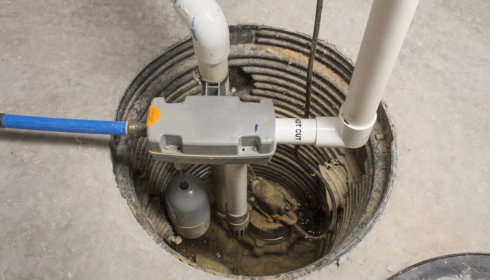
    If you’re new to sump pumps, think of them as the last line of defense between your home and rising water. Typically installed in a pit at the lowest point of your basement or crawl space, the pump kicks in automatically when water levels get too high. It pushes that water out and away from your foundation, keeping your space dry and safe.

    When they’re working, they’re invisible heroes. But when they stop? That’s when the stress begins.


    What to Do When Yours Stops Working

    First, don’t panic. There are a few simple things you can check before calling anyone. Make sure the unit has power. Check the float switch (that’s the thing that tells the pump when to activate). Sometimes it gets stuck. Clear out any visible gunk or gravel that might be clogging things up.

    But if you’ve checked all that, and the pump still isn’t doing its job—don’t wait. Water damage waits for no one. This is the time to reach out to local professionals who specialize in pump repair and replacement.

    You might find yourself searching desperately for who fixes sump pumps near me, but the key is choosing someone with actual experience—not just a general handyman. A professional knows how to test not only the unit itself, but your discharge lines, check valve, and power backup options too. Because let’s face it: sump pump problems usually show up when the power’s flickering or the rain’s pouring, not on a calm Tuesday afternoon.


    Know Your Brands: County Line and the Competition

    When it comes time to replace your pump, you’ll run into names like Zoeller, Wayne, Liberty, and County Line sump pump units. County Line, in particular, is a big box store favorite—affordable and easy to find. They’re often a good pick for budget-conscious homeowners, especially for moderate water problems. Just be aware: not all pumps are created equal.

    If you have frequent flooding or heavy water pressure against your foundation, it might be worth investing in a more heavy-duty or cast-iron option. Plastic-bodied pumps can be fine, but they tend to burn out quicker. It’s all about matching your equipment to your actual water problem—not just the price tag.


    Installation Isn’t Just Plug and Play

    So you’ve got your new pump in the box—now what?

    This isn’t like setting up a toaster. A proper sump pump install involves digging (or accessing) a sump pit, properly aligning the pump, sealing it for efficiency, and ensuring the discharge line slopes away from your home. If you’re in Fredericksburg or nearby, you’ve probably already realized that soil and water tables vary a lot around here. Some homes barely need a pump. Others feel like they’re sitting on a swamp.

    That’s why it’s essential to go local. Someone who knows the lay of the land—literally—can make all the difference when it comes to long-lasting, dependable installs. If you’re Googling sump pump installation Fredericksburg, VA, you’re already on the right track. Look for contractors with specific experience in sump systems, not just generic plumbing. They’ll know what to expect beneath the surface.


    Backup Plans Matter More Than You Think

    If your current system doesn’t have a backup power source, now’s the time to think about it. Many sump pumps run on electricity. Which is great—until a thunderstorm knocks out your power and the pump goes silent just when you need it.

    There are battery-powered backup systems that can kick in automatically. Some even alert you via text if something goes wrong. A little investment here goes a long way in peace of mind, especially during Virginia’s stormier months.


    Long-Term Maintenance and When to Replace

    Sump pumps don’t last forever. On average, you’re looking at a lifespan of about 7 to 10 years. But that depends on use. A rarely-used pump might last longer. One that kicks on with every rainstorm? You’ll be lucky to get seven solid years.

    Don’t wait until it dies to replace it. If you’re noticing odd sounds, more frequent cycles, or slow drainage—get it checked out. A proactive approach is always cheaper than cleaning up after a flood.


    Final Thoughts: Stay Dry, Stay Ready

    Nobody thinks about their sump pump until they have to. But with a little planning—and the right local help—you can keep your home safe, your basement dry, and your stress levels low.

    Whether you’re browsing models, considering brands like County Line, or searching for trusted sump pump installation Fredericksburg, VA services, remember: the goal isn’t just to “fix it when it breaks.” It’s to build a setup that works for your home, your budget, and your peace of mind.

  • What’s the Deal with Softened Water? A Down-to-Earth Look at What You’re Really Drinking

    What’s the Deal with Softened Water? A Down-to-Earth Look at What You’re Really Drinking

    Let’s face it—water’s supposed to be simple. Clear, clean, tasteless. You turn on the tap, fill your glass, and forget about it. But throw a water softener into the mix, and suddenly something that used to feel easy now sparks a million questions.

    Maybe the water feels a bit silkier, almost slippery. Or your coffee tastes slightly different. Maybe your neighbor tells you not to drink it, while your plumber insists it’s fine. So now you’re stuck wondering: is softened water okay to drink? Or should you be hauling bottled jugs from the grocery store every week?

    Let’s break it down—real talk, no fear-mongering, no jargon overload. Just a human look at whether your glass of softened water is a friend or a foe.


    First, What Even Is Softened Water?

    Good question. In short, softened water is water that’s had its calcium and magnesium removed—the minerals responsible for what we call “hard water.” These minerals aren’t harmful to your body, but they are brutal on plumbing, appliances, and even your skin and hair. Think of all those white crusty rings on your faucets, or how your soap doesn’t lather well—that’s hard water being annoying.

    Water softeners usually work through a process called ion exchange, where calcium and magnesium ions are swapped out for sodium or potassium ions. The result is “soft” water that doesn’t leave behind that chalky residue and helps your soap work better.

    Sounds good, right? But then comes the big question…


    So, Can You Drink It?

    Short answer? Yes—drinking softened water is generally considered safe for the vast majority of people.

    The long answer? It depends. Not all softened water is created equal. The amount of sodium added during the softening process depends on how hard your water is to begin with. In areas with extremely hard water, more sodium is used. But even then, the amount added is pretty minimal—usually far less than what you’d find in common foods like bread, soup, or even a glass of milk.

    To put it in perspective, an 8-ounce glass of softened water might contain around 20–30 mg of sodium. That’s less than a slice of white bread. So for most healthy adults, the sodium in softened water is a non-issue.


    What If You’re on a Low-Sodium Diet?

    Here’s where things get a bit more personal. If your doctor has you watching your salt intake due to high blood pressure, kidney issues, or heart disease, it’s a smart move to ask questions. But even then, drinking a few glasses of softened water a day isn’t likely to blow your sodium budget.

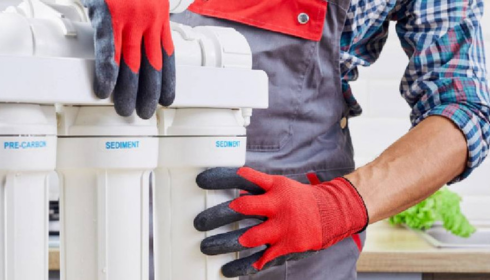
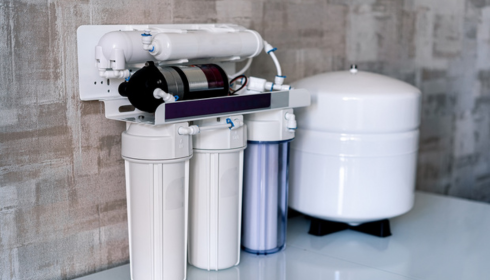
    Still, if you’re being extra careful, you’ve got options. You can bypass your drinking water line so the kitchen tap pulls from unsoftened water. Or better yet, install a reverse osmosis (RO) filter under the sink—it’ll remove sodium and other impurities too.

    It’s a small tweak, but it keeps you covered without giving up the benefits of soft water throughout the rest of your home.


    What About Pets and Babies?

    Another concern that floats around is whether you can drink water softener water if you’re a baby or a furry four-legged friend. For the most part, yes—most pets are perfectly fine drinking softened water, especially if they’ve been doing so for a while without any issues. Same goes for kids.

    That said, for infants on formula, pediatricians often recommend using filtered or distilled water—not because softened water is harmful, but to control mineral levels more precisely. As always, a quick check with your vet or pediatrician can’t hurt, but you don’t need to panic.


    Does It Taste Different?

    Some folks say yes, others say no. Taste is subjective, and soft water can feel different on the tongue. Some describe it as smoother or slightly salty (especially in very hard water areas), while others don’t notice a thing.

    If you’re sensitive to taste or just don’t love the feel of soft water, that under-sink RO system is your best friend. It gives you crisp, clean, great-tasting water—without undoing the benefits of soft water in your showers and laundry.


    Why Bother Softening At All?

    If softened water causes all this back-and-forth, why not skip it?

    Because the upside is huge. Soft water protects your pipes from scale buildup. It extends the life of your appliances. It makes soap, shampoo, and detergent actually work. It can even save you money by reducing energy bills and keeping you from replacing your hot water heater every few years.

    And the difference you’ll feel—softer skin, smoother hair, cleaner dishes—makes the whole thing worthwhile.


    The Bottom Line: Should You Drink It?

    If you’re healthy and your softener is working as it should, drinking a few glasses of softened water a day is no big deal. Really. If you’ve got a health condition or you just prefer the taste of filtered water, you’ve got plenty of options that don’t require ditching the softener altogether.

    In other words, can you drink water softener water? Yes, in most cases, it’s totally safe. And if you’re still unsure, installing a small drinking water filter is a low-cost solution that gives you peace of mind with zero compromise.


    Final Sip: It’s Your Water, Own It

    Here’s the deal—there’s no one-size-fits-all answer when it comes to water. Your health, your taste preferences, your local water supply—it all plays a role. But one thing’s for sure: softened water isn’t some mysterious, shady liquid you need to fear.

  • The Water We Trust: Why Home Water Quality Deserves a Closer Look

    The Water We Trust: Why Home Water Quality Deserves a Closer Look

    Let’s be honest—most of us don’t give our tap water much thought. We turn the handle, it flows, and that’s the end of it. But have you ever paused to wonder what exactly you’re pouring into your glass or your kid’s cereal bowl? I didn’t either—until a musty smell hit me mid-shower one morning and sent me spiraling down a Google rabbit hole of contaminants, filtration methods, and horror stories involving old pipes.

    What started as a simple curiosity turned into an eye-opening journey—one that made me reevaluate the home water quality I had always taken for granted.


    When Water Isn’t Just Water Anymore

    Depending on where you live, the water coming out of your tap might not be as pure as it looks. Sure, it’s clear. It may even taste okay. But beneath that seemingly harmless exterior could be a cocktail of minerals, chlorine, sediment, or even trace amounts of things like lead or bacteria.

    I’m not trying to scare you—but this is reality. Municipal water systems do their best, but they can’t control the condition of every pipe your water travels through. And if you’re on well water? That opens an entirely different can of worms.

    That was the moment I realized that trusting what comes out of the faucet isn’t enough. I needed to take control of the water in my home—not just the water the city sends to my door.


    A Clear Difference in Taste (and Trust)

    I first noticed something was off when my coffee started tasting…flat. It wasn’t the beans (I’m a bit of a snob when it comes to my morning brew). It was the water. That’s when it hit me—if water is 98% of my coffee, and my coffee tastes dull, maybe it’s the water that needs attention.

    Fast forward a few weeks later—after research, a water test, and a few chats with local experts—I had installed a drinking water filtration system right under the sink. The results? Honestly, I was shocked. Water that used to have a faint chemical bite was suddenly smooth and crisp. My tea tasted cleaner. Even pasta cooked differently.

    That was my first real experience with clean drinking water, and I’ll never go back. Once you taste the real thing, you realize how much you’ve been settling for.


    It’s Not Just About What You Drink

    One of the biggest misconceptions people have about water filtration is that it’s just for drinking. And sure, that’s where the impact is most immediate and obvious. But what about the rest of the water we use—showers, laundry, dishwashing, brushing our teeth?

    I used to think a single under-sink filter was enough. Until I started noticing stubborn stains in the toilet, hard water buildup on the showerhead, and my skin feeling dry no matter how much lotion I used. That’s when I started looking into whole house water solutions.

    These systems don’t just treat one faucet—they treat every drop that enters your home. From showers to washing machines, it’s all filtered, softened, and balanced. That meant no more crusty faucets. No more itchy skin. And my white shirts actually stayed white. Imagine that.


    The Unexpected Benefits That Just Make Life Easier

    Aside from the obvious (better taste, softer hair, clearer skin), investing in water quality gave me unexpected perks I didn’t even think to ask for. The dishwasher ran more efficiently. Soap lasted longer. The coffee machine stopped scaling up so fast. Even my dog seemed to be drinking more water—and who knows, maybe he noticed the upgrade too.

    It’s the kind of improvement that creeps in quietly, until one day you realize everything just feels better. Cleaner. Smoother. More refreshing.

    That’s the thing about water—it touches every part of your daily life. But because it’s so ever-present, we don’t always notice how bad it is until we fix it.


    A Few Things I Wish I Knew Earlier

    If I could go back and talk to pre-filtration me, I’d say:

    • Test your water. Don’t guess. Even basic testing kits can reveal a lot.
    • Understand your needs. Well water and city water have different issues. So do older homes versus newer ones.
    • Don’t go for overkill. You don’t need the most expensive system—just one that targets your water’s specific issues.
    • Maintain it. Filters aren’t forever. Check them regularly. Replace them when needed.

    These might sound like small details, but they make all the difference in keeping your system running efficiently—and keeping your water truly clean.


    More Than an Upgrade—It’s Peace of Mind

    You can’t put a price on feeling safe. There’s something incredibly reassuring about knowing the water you cook with, clean with, and bathe your kids in is actually clean. It’s not glamorous. It’s not something you’ll Instagram. But it makes your house feel like a better place to live.

    And in a world where we spend so much money on gadgets, aesthetics, and upgrades that are more about appearances than function, there’s something deeply grounding about investing in something as essential and invisible as your water.

  • Аукционы Японии по продаже авто – как всё устроено

    Аукционы Японии по продаже авто – как всё устроено

    В разговоре о японских машинах всё чаще звучит не только слово «праворульный», но и название площадок, где эти машины покупают оптом и в розницу. Аукционы Японии по продаже авто стали отправной точкой для тех, кто хочет получить честный пробег, понятную историю и реальное состояние, подтверждённое документами, а не устными обещаниями продавца.

    При этом сами торги для российского покупателя остаются чем-то вроде «чёрного ящика»: есть каталог лотов, есть молоток, есть итоговая сумма «под ключ» — а что происходит внутри, как формируется цена и откуда берутся риски, понимают единицы. Попробуем разобрать механику без лишних легенд и параллельно понять, в какой момент участие профессионального посредника начинает экономить не только деньги, но и нервы.

    Как устроен японский автоаукцион изнутри

    Если отбросить экзотику, аукцион — это очень строгий регламент. Каждая машина перед выставлением проходит осмотр независимым инспектором, который фиксирует:

    • пробег по одометру;
    • состояние кузова по кругу и по низу;
    • состояние салона;
    • замечания по технике (двигатель, коробка, тормоза, подвеска);
    • следы ремонта и перекрасов;
    • комплектацию и доработки.

    Все эти данные попадают в аукционный лист — карточку лота. Для японца это вполне привычная бумага, а для покупателя из России — главный документ, который чаще всего ценнее фотографий. Не зря опытные закупщики сначала читают лист, а уже потом смотрят картинку.

    Сами торги проходят быстро: ставки подаются в электронном виде, у каждой машины есть своё «окно времени». На экране мелькают цифры, а фактически решается, достанется ли автомобиль вам или уйдёт конкуренту, который закладывает в цену свои расходы и маржу.

    Что даёт покупателю аукционный лист

    Аукционный лист — это не «секретный шифр», а вполне логичная форма. В нём есть оценка по кузову и салону, карта повреждений и текстовые комментарии. Если читать его внимательно, становится понятно:

    • был ли автомобиль в серьёзном ДТП или только в косметических ремонтах;
    • есть ли коррозия по низу и по скрытым полкам;
    • насколько сильно изношен салон и рулевое колесо;
    • есть ли замечания по мотору, коробке, тормозам;
    • насколько честен пробег с точки зрения состояния кузова и интерьера.

    Для тех, кто никогда не видел подобный документ, первые попытки расшифровки выглядят пугающе. На практике, после пары десятков просмотренных лотов логика становится понятной: есть типовые обозначения, типовые пометки, типовые «колокольчики», которые показывают, что от машины лучше отказаться ещё до ставок.

    Какие машины чаще всего попадают на торги

    Из Японии уходят очень разные автомобили: от компактных кей-каров до крупных кроссоверов и минивэнов бизнес-класса. Но по аукционным статистикам хорошо видно несколько устойчивых групп:

    • небольшие городские хэтчбеки и седаны с умеренными пробегами;
    • семейные минивэны с богатой комплектацией и честной историей обслуживания;
    • кроссоверы разных классов — от компактных до полноразмерных;
    • служебные и коммерческие автомобили с понятной эксплуатацией;
    • «вкусные» редкие версии и спецкомплектации, за которые идёт настоящая борьба.

    Важно понимать: на аукцион попадают не только идеальные экземпляры. Там есть и откровенно уставшие машины, и после серьёзных ремонтов, и с юридическими нюансами. Задача покупателя — научиться эти варианты отсеивать ещё на этапе просмотра листа и фотоматериалов.

    Какие риски есть у человека «с улицы»

    С точки зрения японской стороны всё честно: вам показывают реальное состояние, дают время подумать и самостоятельно принять решение. Но для покупателя без опыта здесь прячется целый набор подводных камней:

    • неверная оценка масштабов кузовных работ (по схеме это «пара царапин», а по факту — локальная шпаклёвка и перекрас в нескольких местах);
    • недооценка технических ремарок инспектора;
    • неправильный расчёт ставки с учётом всех последующих расходов;
    • отсутствие понимания, как тот или иной дефект отразится на дальнейшей эксплуатации в России;
    • эмоциональное желание «забрать любой ценой» понравившийся автомобиль.

    Профессиональные закупщики этих ошибок уже наделали за клиентов много лет назад. Поэтому опытный посредник ценен не только доступом к закрытой части аукционного интерфейса, но и тем, что заранее отсеивает заведомо неудачные лоты.

    Что обязательно проверить перед ставкой

    Чтобы покупка не превратилась в азартную игру, имеет смысл выработать для себя короткий чек-лист. При работе с аукционом он помогает «остывать» и принимать решения на основании фактов, а не эмоций.

    Минимальный набор вопросов, на которые нужно ответить ещё до отправки ставки:

    • есть ли следы серьёзных аварий, нарушения геометрии кузова и жестких ремонтов;
    • нет ли явных признаков скрутки пробега или несоответствия пробега состоянию салона;
    • как инспектор описывает работу двигателя и коробки, нет ли посторонних шумов;
    • есть ли коррозия по днищу, стаканам, силовым элементам;
    • насколько дорогим будет кузовной ремонт с учётом российских цен;
    • вписывается ли итоговая стоимость машины «под ключ» в ваш реальный бюджет.

    Если хотя бы по двум-трём пунктам есть серьёзные сомнения, от ставки разумно отказаться и подождать более подходящий лот — поток машин через крупные аукционные дома идёт постоянно.

    Зачем нужен посредник и что делает Tokito

    Человек, который впервые выходит на японские торги в одиночку, рискует оказаться в положении туриста на оптовом рынке: всё вокруг вроде бы понятно, но нюансы ценообразования и внутренние правила остаются за кадром.

    Посредник в этой истории — не только технический «доступ» к торгам. Это фильтр лотов, перевод и пояснение аукционного листа, дополнительный фото- или видеоотчёт по запросу, расчёт конечной стоимости с учётом всех платежей, помощь с логистикой и растаможкой.

    Сервис Tokito Auto как раз выстроен вокруг работы с японскими торгами. Компания следит за актуальной статистикой по различным аукционным домам, анализирует динамику цен по моделям, помогает клиенту определиться с бюджетом и форматами машин, подбирает лоты и даёт понятные комментарии по рискам. В результате для конечного заказчика процесс перестаёт быть «прыжком в неизвестность» и превращается в последовательные шаги: выбор, проверка, ставка, оформление и доставка в Россию.

    Японские аукционы — это не волшебная кнопка, которая автоматически дарит идеальный автомобиль. Это инструмент, который при грамотном использовании даёт доступ к большому выбору машин с понятной историей. Вопрос в том, кто этим инструментом пользуется: новичок, который читает только заголовок и смотрит на фотографии, или команда, которая привыкла разбирать листы, сверять цифры и просчитывать всю дорогу от молотка до российского ПТС. Для тех, кто выбирает второй сценарий, аукцион перестаёт быть лотереей и становится нормальным каналом закупки, где важнее документы, чем красивый блеск лака на фото.

  • Why Clean Water Feels Like a Quiet Luxury (And It Shouldn’t Be)

    Why Clean Water Feels Like a Quiet Luxury (And It Shouldn’t Be)

    There’s a small, subtle joy in pouring yourself a glass of water and not having to think twice about it. No second-guessing the taste. No funny smell. No chalky film on your tongue. Just clear, cold, refreshing water — the way nature intended. It’s funny how something so basic, so necessary, can feel like a luxury in today’s world.

    But here’s the thing: it shouldn’t be a luxury. Clean water is a right. And yet, depending on where you live or what pipes run beneath your home, the experience can vary wildly.

    Let’s talk about that — not from a place of doom and gloom, but from a place of “hey, here’s how you can fix this, and feel better in your skin (and sink).”


    The Strange Truth About What’s Flowing Into Your Home

    We often assume the water running through our taps is fine because it’s, well, water. Clear means clean, right?

    Not always.

    Municipal water can carry chlorine, fluoride, sediment, or — in older systems — even rust from outdated pipes. If you’re on a well? You’re looking at a whole different set of variables. Maybe it’s hard water that stains the tub and dries out your skin, or iron that leaves that reddish ring around the toilet bowl no matter how many times you scrub.

    The quality of your water isn’t just about taste or smell — it affects your skin, your health, your appliances, and your peace of mind.

    That’s why taking a closer look at how water enters (and behaves) in your home is worth the time.


    From Headaches to Harmony: Enter the Era of Smart Treatment

    When people think of “fixing” water issues, they often imagine bulky softeners or overpriced filtration systems that require a plumber and a second mortgage.

    But that’s outdated thinking. Today’s water treatment options are surprisingly sleek, modular, and — when chosen well — tailor-made for your exact situation.

    Whether you’re battling high mineral content, strange odors, or even microbial concerns, there’s likely a filter, purifier, or softener that fits your life (and your space) without turning your laundry room into a chemistry lab.

    It’s not about going overboard. It’s about subtle upgrades that make a daily difference.


    How It Feels When You Finally Get It Right

    You don’t realize how much your water was bothering you until it isn’t anymore.

    It might start with your skin — less tightness, fewer random itches, maybe even calmer breakouts. Then it moves to your dishes — less residue, actual sparkle. You start to notice your shampoo lathers better, your towels feel softer, and the kettle doesn’t need descaling every other week.

    It’s the kind of behind-the-scenes upgrade that changes how you move through your day without demanding attention.

    And let’s be honest: in a world that’s constantly loud and in-your-face, subtle comforts are pure gold.


    Trusting the Process (and the People Behind It)

    Of course, none of this happens on its own. The difference between a gimmicky gadget and a real solution lies in the hands of people who know what they’re doing.

    That’s where companies like enviro air and water shine. They don’t just push a product — they walk you through the process. They ask about your local water supply, your family’s needs, your home’s layout. Then they recommend something that actually makes sense.

    No pushy upselling. No mystery fees. Just honest advice and solid gear.

    That kind of approach feels refreshingly rare these days. But it’s exactly what you need when you’re dealing with something as vital and invisible as the water in your home.


    What’s the Deal with “Water Moor” and Why Should You Care?

    You might’ve come across the term water moor in certain areas — and no, it’s not just poetic-sounding fluff. In some regions, especially where the landscape is rich with wetlands or peat-heavy soil, local water takes on unique characteristics.

    This means higher organic content, maybe a naturally lower pH, and sometimes even a tinge of color that’s harmless but disconcerting.

    If you’re living near moorland or in a similar ecosystem, it’s even more important to have your water tested regularly and treated properly. Not because it’s unsafe — often, it’s not — but because untreated moor-fed water can damage plumbing or mess with your appliances over time.

    It’s one of those small regional quirks that, once handled, makes life way smoother.


    The Cost of Doing Nothing

    We all like to think we’ll get to it eventually. That slightly metallic taste in the tap water? Probably nothing. The water spots on the dishes? Eh, annoying, but fixable with vinegar.

    But slowly, silently, poor-quality water wreaks havoc.

    Your water heater works harder, your pipes accumulate scale, your skin stays irritated, your clothes fade faster, and you keep buying bottled water “just in case.”

    Over time, the cost of ignoring water issues isn’t just financial — it’s emotional. You start second-guessing everything. That’s no way to live.

    A one-time investment in smart treatment, paired with occasional check-ups, gives you back a quiet confidence in your home’s most-used resource.


    Okay, But What About Maintenance?

    Good question. A solid system is only as helpful as its upkeep. But this isn’t like buying a car and being stuck at the dealership every three months.

    Modern water systems need minimal maintenance. Filter changes. Annual checks. Maybe a tank clean every few years. That’s about it.

    Most companies even offer service plans, so you don’t have to remember when anything’s due. They just show up, do the work, and you’re back to sipping clear water in peace.

    Easy. Hassle-free. Genuinely helpful.


    Last Drops: Why It All Comes Back to Comfort

    At the end of the day, clean water is about comfort. Not just physically — but mentally. Knowing your family is safe. That your water won’t stain, stink, or silently wear down your home. That’s worth a lot.

    And hey, you’re not asking for much. Just water that feels good, works right, and tastes like… nothing at all. Which, ironically, is everything.

  • Clean Starts at the Tap: Why Your Next Home Upgrade Should Be Better Water

    Clean Starts at the Tap: Why Your Next Home Upgrade Should Be Better Water

    There’s something soothing about pouring a glass of water straight from the kitchen faucet—until it doesn’t taste right. Maybe it smells a little off, or maybe your white laundry is turning a suspicious shade of beige. Or perhaps you’ve just been wondering why your dishwasher is working overtime and still leaving those ghostly spots on every glass.

    If any of that sounds familiar, you’re not alone—and you’re definitely not imagining it. Water that looks clean isn’t always actually clean. And in a world where we’re becoming increasingly mindful of what we eat, breathe, and touch, it’s time to give water the attention it deserves.


    When “Clear” Doesn’t Mean “Clean”

    Tap water goes through treatment, sure—but that doesn’t make it perfect. It can still carry all sorts of things: chlorine, iron, sediment, excess minerals, and trace contaminants that build up over time and wear down your appliances (and your nerves). It’s not always dangerous, but it’s rarely ideal.

    If you’ve caught yourself Googling home water filtration system near me, you’re already ahead of the curve. That curiosity is the first step toward better living. Because while we often upgrade our kitchens or redo the bathroom, the quality of the water running through those shiny faucets tends to get overlooked.

    A good filtration system? It can transform your daily routine in all the subtle but powerful ways you didn’t know you were missing out on.


    It’s Not Just About Drinking Water

    Let’s bust a myth right now: water filtration isn’t just about sipping clean water. Sure, that’s part of it—but the effects stretch way beyond your glass.

    Think cleaner skin, shinier hair, softer clothes, and fewer breakdowns in your water heater, dishwasher, or washing machine. You’ll use less soap, because soft water actually lets products lather properly. Even your plants might perk up a little.

    And the best part? You start noticing the difference once it’s installed. It’s not dramatic like a renovation, but it’s just as impactful. Life just… feels cleaner.


    The Local Experts That Locals Actually Trust

    If you’re in Ontario and you’ve ever asked around for water help, chances are the name mcleods water peterborough popped up. They’re kind of a go-to in the region—and for good reason.

    What makes them stand out isn’t just their years of experience or the fact that they’ve seen just about every water-related problem under the sun. It’s the way they treat customers. Like neighbors. Not numbers.

    They’ll actually test your water (because every home is different), explain what they find in language that doesn’t require a chemistry degree, and then help you choose a solution that fits your life—not their sales quota.

    It’s this old-school service blended with modern tech that makes people trust them—and stick with them.


    The System That Works While You Sleep

    Let’s talk about mcleod’s ecowater systems for a moment. These are not your run-of-the-mill filters that need replacing every two weeks or gadgets that clutter your countertop. EcoWater systems are whole-home solutions that integrate into your plumbing and quietly get to work—no fuss, no daily maintenance.

    What they do is remove excess minerals, filter out impurities, and protect your home from the effects of hard or chemically-treated water. Think of it like a spa day for your pipes. Your skin and your appliances will thank you.

    And the setup? Surprisingly simple. Once it’s in, it’s mostly just routine maintenance—like changing a bulb in a UV filter or topping up salt in a softener. No rocket science involved.


    So, What Changes After Installation?

    This is the fun part. After installing a proper system, life starts to feel… easier.

    Your coffee tastes better. Your glassware sparkles. You use less lotion because your skin’s not fighting with chlorine anymore. Showers feel more luxurious. Your clothes feel soft—without softener. And your water heater? It breathes a sigh of relief every time it doesn’t have to push through mineral sludge.

    You stop thinking about water entirely, which is kind of the point. It just works, in the background, making everything a bit more enjoyable.


    DIY Isn’t the Way to Go (And That’s Okay)

    Look, we all love a good weekend project. Painting a room? Sure. Fixing a leaky faucet? Maybe. But installing a whole-home water filtration system isn’t the time to channel your inner handyman.

    A lot can go wrong when plumbing is involved—and a system that’s not properly sized or configured can end up causing more headaches than it solves.

    That’s why finding a local expert, especially one that’s well-reviewed and community-trusted, is worth every penny. They’ll do it right the first time, and they’ll be there for maintenance, questions, or updates years down the line.


    Taste Isn’t Just Preference—It’s a Clue

    Let’s circle back to something simple: taste.

    If your water tastes metallic, overly chlorinated, or just “off,” your body is picking up on something. And while taste alone doesn’t guarantee contamination, it does indicate that your water may be carrying things it shouldn’t.

    Good filtration doesn’t just clean your water—it brings it back to its natural state. Neutral. Fresh. The kind of water that actually makes you want to drink more of it (and let’s be real, most of us should be drinking more anyway).


    Wrap-Up: Clean Water Should Be the Default, Not the Upgrade

    We spend thousands on countertops, appliances, light fixtures, and flooring. We obsess over the look and feel of our homes—but often ignore the invisible systems that keep everything running smoothly.

  • What’s in Your Water? A Down-to-Earth Dive into Testing, Purification, and Peace of Mind

    What’s in Your Water? A Down-to-Earth Dive into Testing, Purification, and Peace of Mind

    It starts with a simple question: what’s really in your water? We fill up our glasses from the tap, trust the filtered jug in the fridge, or maybe glance at the sparkling bottled water on our desks without giving it much thought. But the truth? Water — the stuff we drink, cook with, and bathe in — carries stories. And not all of them are good.

    If you’ve ever wondered whether your water is truly clean, you’re not alone. From invisible contaminants to funky smells, the quest for clarity (both literal and metaphorical) often begins with one step: testing.


    It’s Not Just Water, It’s What’s In It

    Let’s face it — “clear” doesn’t always mean clean. Water might look fine, but that doesn’t mean it’s free from things like chlorine, lead, bacteria, nitrates, or even pesticides. These things sneak in through old pipes, agricultural runoff, or simply because the local treatment system isn’t cutting it.

    Some folks only think of testing when something goes wrong — odd taste, rust-colored stains on the tub, or that unmistakable rotten egg smell. But honestly, it’s smart to check your water even before problems pop up. It’s a bit like going for a health checkup — preventative, not just reactive.


    Where Do You Even Start?

    You could grab a home test kit, sure. They’re handy, inexpensive, and good for a rough overview. But if you’re looking for detailed results that you can actually trust (you know, something you wouldn’t mind sharing with a plumber or your local health board), then it’s time to look up a water laboratory near me. These certified labs don’t just do basic checks — they run your samples through professional-grade analysis for metals, microbes, and chemical compounds you’ve probably never heard of but wouldn’t want in your tea.


    What a Professional Water Laboratory Actually Does

    Picture this: You collect a small bottle of water (they’ll give you clear instructions), label it, send it in, and within a few days — bam — you’ve got a report. Sounds simple, right? And in many ways, it is. But what happens inside that lab is anything but basic.

    A water laboratory is essentially a science playground equipped with high-tech tools like spectrophotometers and chromatography machines (don’t worry, no quiz at the end). These machines detect substances down to parts per billion. That means if there’s even a trace of arsenic or bacteria, they’ll know. And so will you.

    Better yet, many labs help interpret your results — so you’re not just staring at a bunch of numbers wondering what to panic about.


    So… My Water Isn’t Perfect. Now What?

    Welcome to the club. Very few people — even those on municipal supplies — have water that’s perfectly balanced. But knowing your water’s “health” helps you take the right steps.

    Maybe you’re dealing with hardness (hello, chalky dishes). Maybe it’s chlorine, or sediment. Or maybe there’s something more serious like lead or microbial contamination. Whatever the case, there’s usually a fix — and it doesn’t have to be extreme or crazy expensive.


    Purifiers, Filters, and a Breath of Fresh… Water?

    Once you’ve got your test results, the fun part begins: purification. There are systems for nearly everything — under-the-sink filters, whole-house systems, UV sterilizers. But one name that keeps showing up in clean-home conversations lately? aerus pure and clean.

    Aerus isn’t your average air-and-water company. They’ve taken purification tech to the next level — think NASA-inspired ActivePure® Technology — offering solutions that handle both air and water concerns. The “Pure & Clean” system in particular is catching eyes because it’s not just about removing contaminants, it’s about creating a cleaner, healthier home ecosystem altogether.

    For folks who want peace of mind without diving into the weeds of water science, brands like Aerus bridge that gap — combining sleek design, smart functionality, and solid purification without the over-complication.


    You Deserve Better Than “Probably Safe”

    “Probably safe” just doesn’t cut it anymore — not with the rise of PFAS chemicals in groundwater, aging infrastructure in cities, and the number of boil-water advisories that seem to pop up every week.

    But here’s the good news: testing your water isn’t scary, and neither is fixing what you find. It starts with being curious, then calling in the right help. Whether you’re grabbing a test kit from your local hardware store, googling “water laboratory near me”, or booking a professional consultation — the first step is yours.

    And it’s a good one.


    A Note on Rural Wells and Off-Grid Water

    If you rely on well water, testing becomes even more important. Unlike city water, which is regularly monitored, private wells are your responsibility. That means checking for bacteria, nitrates, and even radon (depending on your region). Most experts recommend testing once a year — more if you’ve had recent construction, flooding, or nearby chemical use.


    The Whole House Approach

    Maybe you’ve tested your water and decided to go all in — not just a pitcher filter, but something that tackles the entire home. In that case, whole-house filtration systems make a lot of sense.

    They connect right at the point your water enters the home, meaning every faucet — shower, kitchen, laundry — gets treated. From softened water that’s kinder to skin and clothes, to clean drinking water straight from the tap, these systems are a game-changer. And yes, they pair beautifully with add-ons like Aerus systems or under-sink filters for the obsessive perfectionist (no shame here).


    Final Sip: The Water We Trust

    Here’s the thing — water is foundational. It’s not just about hydration; it’s about trust, health, and quality of life. And while we may not always see what’s flowing through those pipes, we can take control of it.

    So next time you take a sip, pause and think: Do I really know what’s in here?

    If the answer’s no — or even a hesitant maybe — then take the step. Test. Learn. Act. Your future self (and your morning coffee) will thank you.

  • Why External and Internal Network Penetration Testing Makes Your Cyber Defense Stronger

    Why External and Internal Network Penetration Testing Makes Your Cyber Defense Stronger

    Network security has emerged as one of the most essential parts of the general cybersecurity as companies develop their digital ecosystems. Each device, server, and connection presents possible points of attack to attackers. Although firewalls and antivirus software constitute the portion of your protection, it is not impeccable. To provide complete resilience, the organization should conduct external network penetration testing and internal network penetration testing. These two types of tests give a 360 View of your network that reveals the vulnerabilities that are on the outside and the vulnerabilities that are on the inside.

    What Is External Network Penetration Testing?

    External network penetration testing imitators an external cyber-attack that is initiated outside the walls of your company. It is aimed at detecting the vulnerabilities that can be used by external hackers to obtain unauthorized access.

    In this test, the ethical hackers study your publicly accessible resources, including web servers, VPNs, routers, and email gateways, to know their level of security.

    Typical tests involve:

    • Port Scanning: The intervention of open ports that make the services accessible on the internet.

    • Firewall Testing: Testing the effectiveness of your firewall settings to filter malicious traffic.

    • DNS and SSL Analysis: Determining weak or old encryption protocols.

    • Vulnerability Exploitation: Testing the found vulnerabilities in reality.

    External testing will make your organization secure, compliant, and threat-ready by identifying these problems before they can become the targets of criminals.

    Internal Network Penetration Testing

    Whereas the external tests focus on the external threats, the internal network penetration testing is used to simulate the attacker that already has a partial access to your internal environment. It may be an unhappy employee, a stolen computer, or even a hacker outside who has found the loophole to get around your gates using phishing.

    Internal testing focuses on:

    • Privilege Escalation: Is the low-level account able to access administration?

    • Lateral Movement: How far would an attacker go between connected systems?

    • Data Exfiltration: Do they have critical files that are under protection or are they easily removable?

    • Patch and Configuration Review: Are Routers, databases and servers properly upgraded?

    This test identifies vulnerabilities that could not be identified by conventional firewalls or intrusion prevention systems like unmonitored endpoints, weak credentials, or bad network segmentation.

    Why Both Tests Are Essential

    Only one form of penetration testing would not give a complete picture. Outside testing would help secure your perimeter but inside testing would secure your core. Combining them provides complete insight into the ways attackers would use any loophole in your protection.

    Benefits include:

    • Detailed Risk Awareness: Be aware of all levels of vulnerabilities.

    • Better Response Options: Check how fast your SOC team identifies and responds to intrusions.

    • Regulatory Compliance: ISO 27001, PCI DSS, HIPAA and SOC 2.

    • Less Downtime and Loss: Eliminate data breach before it disrupts.

    Companies that invest in either of the two testing types tend to learn about previously unnoticed vulnerabilities and significantly increase resilience.

    The process of testing in Aardwolf Security

    Our ethical hackers at Aardwolf Security are guided by an organized approach in line with the latest standards in the industry (NIST SP 800-115 and OWASP Testing Framework).

    The process includes:

    1. Scoping: This is getting to know your network architecture and testing parameters.

    2. Reconnaissance: Mapping services, access points and mapping systems.

    3. Exploitation: Doing safe attack simulation to assess real risk impact.

    4. Reporting: Providing prioritized remediation advice.

    5. Post-Test Consultation: Why support your team in areas of weakness and adopting long-term security controls.

    We do not only aim to discover weak points but improve them in a more efficient and sustainable manner.

    How Often Should You Test?

    Network penetration testing is not a project. The threats keep on changing, and so should your defence mechanism. What is best practice is to perform testing:

    • As an annual risk management strategy

    • Upon significant infrastructure or software modifications

    • After mergers, takeovers or network growth

    • When the compliance audits or incidences require a more thorough examination

    Continuous testing can give you a constant confirmation that your security posture is in line with the prevailing threats.

    Conclusion

    The external network penetration testing and internal network penetration testing is effective and can constitute an effective defense mechanism. They identify threats that are seen and those that are not visible, and they make certain that your systems are strengthened on all angles. By collaborating with Aardwolf Security, you can establish control over your cybersecurity stance building resilience, asset protection and maintenance of uninterrupted business operations in the ever-growing complex threat environment.

  • Understanding Tree Removal Cost and Choosing the Right Service

    Understanding Tree Removal Cost and Choosing the Right Service

    When you’re thinking about taking down a tree on your property, the first question that usually comes to mind is how much the tree removal cost will be. At Arizona Tree Trimming, we know how important it is for you to understand what goes into this investment before making a decision. That’s why we’re here to walk you through the key factors that affect pricing, what you can expect during the process, and why choosing the right team makes all the difference.

    Why Tree Removal Matters

    Trees add beauty, shade, and character to any property, but sometimes they can pose risks or create challenges. Whether a tree is damaged by a storm, diseased, growing too close to your home, or simply has outgrown its space, removal becomes a necessary step. Safety is the top priority, but so is making sure the work is done properly without leaving your yard looking like a construction site.

    When handled by professionals like us, tree removal not only solves an immediate problem but also protects your property in the long run. It ensures your home, fences, power lines, and landscape remain safe while also leaving your outdoor space ready for future plans.

    Factors That Affect the Cost

    Every tree is different, which is why the cost of removal can vary. Several key details go into pricing, and it helps to know what professionals look at when giving you an estimate.

    1. Tree Size

    The most obvious factor is size. Larger trees take more time, require more equipment, and sometimes involve additional safety measures. Smaller trees can often be removed quickly and at a lower cost, while very tall or wide trees naturally require more resources.

    2. Tree Location

    Where the tree is situated plays a huge role in cost. If it’s in an open yard with easy access, removal is straightforward. However, if it’s close to your home, near power lines, or tucked into a corner of your property, careful maneuvering is necessary. This added complexity can influence the final price.

    3. Tree Condition

    Healthy trees are sturdy, meaning they’re often heavier and require more effort to take down. On the other hand, diseased or damaged trees may be easier to remove but could present safety hazards for workers if the structure is unstable. This balance affects how professionals approach the job.

    4. Equipment and Crew Needs

    Some jobs can be handled with basic tools, while others require cranes, lifts, or advanced safety gear. The larger the crew and equipment required, the more it factors into the total.

    5. Additional Services

    Many homeowners also ask about extras like stump grinding, branch hauling, or site cleanup. These services can add to the total but also save you time and effort, leaving your property neat and ready for use.

    Average Pricing Ranges

    While costs vary, having a general idea can be useful. Smaller trees may cost just a few hundred dollars to remove, while medium-sized ones often fall into the mid-range. Large or complicated removals can reach higher amounts, depending on height, diameter, and location.

    What’s important to remember is that a quality service gives you peace of mind. You’re paying not just for the removal itself but also for safety, insurance, expertise, and leaving your property in good condition.

    Why Professional Help Is Worth It

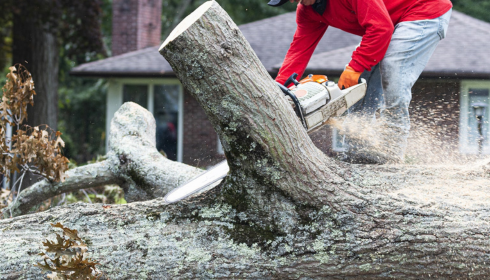
    It may be tempting to think of tree removal as a do-it-yourself project, especially for smaller trees. However, this type of work is more complex and dangerous than it looks. Climbing, cutting, and lowering branches all involve serious risks if not handled properly.

    By working with us, you can feel confident knowing the job will be completed safely and efficiently. We use the right tools, follow industry standards, and take precautions to protect your property. Most importantly, we handle the heavy lifting so you don’t have to worry about accidents or damage.

    The Process You Can Expect

    When you contact us about tree removal, we want you to feel informed and comfortable with every step. Here’s what typically happens:

    1. Assessment – We start by inspecting the tree, its location, and any surrounding obstacles. This helps us provide a clear and fair estimate.
    2. Preparation – Our crew sets up equipment, safety gear, and clear pathways to ensure the process runs smoothly.
    3. Removal – Depending on size and location, we may remove branches first before tackling the trunk. Each step is done carefully to avoid unnecessary impact on your property.
    4. Cleanup – Once the tree is down, we haul away branches and debris. If you’ve requested stump grinding or other services, we take care of those too.
    5. Final Check – Before leaving, we make sure your yard is safe, tidy, and ready for your use.

    The Value of Peace of Mind

    While the upfront cost of removing a tree may seem significant, the real value comes from preventing future problems. A falling branch or unstable tree can cause damage worth far more than the removal itself. By addressing it sooner, you’re investing in the safety of your home and family.

    Additionally, removing a problem tree can give you the freedom to redesign your yard, improve curb appeal, or simply enjoy more open space. It’s a decision that adds both safety and beauty to your property.

    Tips for Getting the Most Value

    When looking into tree removal, there are a few things you can do to make the process smoother:

    • Ask Questions – A professional should be willing to explain the process, break down costs, and discuss options.
    • Check Credentials – Make sure the company you choose is insured and experienced. This protects you in case of accidents.
    • Think Ahead – If you want stump removal or other services, request them up front so they’re included in your estimate.
    • Plan for Timing – Some seasons may be busier than others, so scheduling ahead can help you secure the best time for your needs.

    Our Commitment to You

    At Arizona Tree Trimming, we take pride in delivering more than just tree removal. We see our work as building trust with homeowners who want safe, reliable, and professional service. From the moment you reach out to us, our focus is on making the process stress-free and ensuring your property is in good hands.

    We understand that removing a tree is often a big decision, and we don’t take that lightly. That’s why our team is here to guide you, answer your questions, and give you honest, upfront information about what to expect.

    Conclusion

    When it comes to understanding tree removal cost, it’s about more than just numbers. It’s about safety, quality, and peace of mind knowing the job is handled correctly. By choosing a trusted service like Arizona Tree Trimming (https://www.arizonatreetrimmers.com/), you can feel confident you’re making the right choice for your home and property.

  • The Hidden Value of Reverse Osmosis in Houston Homes: More Than Just Clean Water

    The Hidden Value of Reverse Osmosis in Houston Homes: More Than Just Clean Water

    If you’ve lived in Houston long enough, you know the tap water here can sometimes feel… questionable. Maybe it’s the faint chlorine smell. Maybe it’s the mineral taste that clings to your tongue. Or maybe you’ve simply noticed the limescale that builds up on your sink fixtures faster than you can clean it off. Whatever it is, one thing’s for sure — clean, refreshing water doesn’t always come straight from the tap in this city. That’s where reverse osmosis houston systems quietly step in, changing the game for homeowners who crave purity and peace of mind.


    When Water Doesn’t Feel Right

    Houston’s water supply is a mix of surface and groundwater sources, and while it meets safety standards, that doesn’t necessarily mean it tastes great. Municipal treatment focuses on disinfection and contaminant reduction, but some dissolved solids and chemicals still linger. Things like chlorine, fluoride, nitrates, or trace metals can slip through — not in dangerous levels, but enough to alter flavor and odor.

    And then there’s the matter of household plumbing. Over time, pipes age, and depending on your neighborhood’s infrastructure, corrosion can introduce its own cocktail of metallic tastes. So even if the water leaves the plant clean, it might pick up a few unwanted “extras” before it reaches your glass.


    Why Reverse Osmosis Has Become Houston’s Favorite Upgrade

    There’s something deeply satisfying about taking control of what flows into your home. Reverse osmosis (RO) systems do exactly that — stripping water down to its purest essence through multiple filtration stages. The process removes up to 99% of dissolved solids, bacteria, and impurities, leaving behind nothing but crisp, fresh-tasting water.

    In a city known for its humid climate and occasional flooding, water quality concerns are more than just aesthetic. Floodwaters can compromise underground pipes, and chemical runoff can sometimes seep into local supplies. For many families, installing an RO system isn’t just about taste — it’s about trust.

    People often describe the first sip from their system like tasting “real” water for the first time. That silky smooth texture, the absence of aftertaste — it’s a quiet luxury that makes everyday hydration feel like an upgrade. And the beauty is, it’s all happening under your sink.


    The Local Twist: Reverse Osmosis in Houston TX Homes

    There’s no shortage of home improvement trends in Texas, but few are as practical as RO systems. When it comes to reverse osmosis houston tx, residents have discovered how effortlessly it fits into modern lifestyles. Many local companies offer customized installations — from under-counter models to whole-house filtration setups.

    Think about the convenience. No more lugging bottled water from the store. No more contributing to plastic waste. You fill your glass straight from the tap, confident it’s clean enough for you, your kids, and even your pets. Restaurants, coffee shops, and breweries across Houston have caught on too, relying on RO systems to maintain consistent taste and quality in their drinks.

    Even in the industrial sector, RO filtration plays a quiet yet vital role. Manufacturing plants, medical labs, and tech facilities all rely on ultra-pure water for their processes. So it’s not just a household luxury — it’s a community necessity.


    The Subtle Savings Nobody Talks About

    Sure, installing an RO system has an upfront cost, but in the long run, it pays for itself. Consider how much you spend on bottled water every month. Multiply that by twelve. Then factor in the environmental cost of plastic waste and transport emissions. Suddenly, a one-time installation feels like a responsible, forward-thinking investment.

    And if you’ve got appliances like coffee machines, humidifiers, or steam irons, they’ll thank you too. Cleaner water means fewer mineral deposits, longer lifespans, and better performance. Over time, that means fewer repairs and replacements — one of those invisible benefits you only notice when it’s gone.


    How Houston’s Climate Shapes Water Quality

    Houston’s subtropical weather isn’t always kind to infrastructure. Seasonal changes, high humidity, and heavy rainfalls affect everything — including underground pipes. Sometimes, these conditions lead to temporary changes in water composition, resulting in fluctuations in taste or clarity.

    That’s another reason houston tx reverse osmosis systems make so much sense locally. They create a barrier between you and unpredictable water quality. Even when the municipal supply fluctuates, your home’s filtration remains steady — delivering the same clean, reliable output day after day.

    There’s also peace of mind that comes with consistency. When you cook rice, make coffee, or fill your pet’s bowl, you don’t have to think twice. It’s a small detail, but it adds up to something bigger — a sense of control in a world full of little uncertainties.


    Choosing the Right System

    If you’re thinking about installing one, the options can feel overwhelming. There are countertop filters, under-sink units, and even full-house systems that treat every drop entering your home. The right choice depends on your goals and budget.

    Under-sink systems are compact and affordable, perfect for everyday drinking and cooking. Whole-house systems, while pricier, ensure every faucet and appliance benefits from purified water. Either way, the key is proper installation and maintenance — typically just changing filters every 6–12 months.

    When choosing a provider, look for local expertise. Houston-based water specialists understand regional challenges — from mineral-heavy groundwater to occasional contamination alerts. Their experience can save you a lot of trial and error.


    The Ripple Effect of Better Water

    Clean water has a way of transforming your daily routine. Your coffee tastes smoother, your pasta boils better, your ice cubes are crystal clear. You drink more without realizing it because the taste feels right. Even your skin may feel less dry after washing. It’s subtle, but once you notice the difference, there’s no going back.

    Reverse osmosis doesn’t just improve your home’s water — it improves your relationship with it. It’s an unspoken comfort, like knowing your food’s fresh or your air’s clean. And in a busy, bustling city like Houston, that quiet reliability feels like a breath of fresh air.


    Final Thoughts

    At its core, investing in a reverse osmosis houston system isn’t about luxury — it’s about living better. It’s about taking something we often overlook, something as simple as water, and turning it into a source of everyday satisfaction.

    Because when your water’s pure, everything else just feels a little bit clearer.