Blog

  • Why Clean Water Feels Like a Quiet Luxury — And Why It Shouldn’t Be One

    Why Clean Water Feels Like a Quiet Luxury — And Why It Shouldn’t Be One

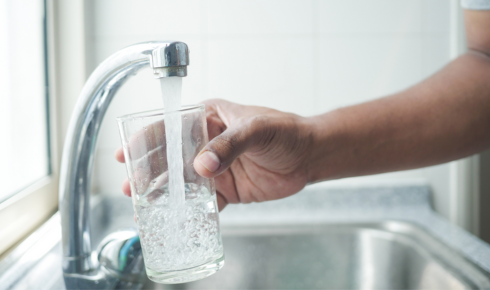
    There’s something grounding about the sound of running water. Maybe it’s because it’s always been there — from the morning shower that wakes you up to that late-night cup of tea you make half-asleep. We trust water without thinking about it. It flows, it cleans, it nourishes. But here’s the twist — for something so ordinary, water’s quality can shape nearly every aspect of your home life.

    It’s not dramatic, not something you see on headlines. But if you’ve ever had hard water, cloudy dishes, or itchy skin after a shower, you already know — when water’s off, everything feels a little off.

    And that’s exactly why companies like seal water tech exist — not just to sell systems, but to bring back a kind of invisible balance we’ve learned to live without.


    The Everyday Problem We Don’t Talk About

    You can tell a lot about your water without testing it. Those white mineral spots on your glasses? That’s calcium. The soap that doesn’t quite lather? Blame magnesium. Hard water doesn’t sound like a big deal, but it’s sneaky — quietly wearing out your appliances, fading your clothes, and leaving buildup in your pipes that costs real money to fix later.

    And yet, because we can’t see it — because it’s “just water” — we get used to it. Like background noise in a busy café, it fades into normal. Until one day your dishwasher breaks or your skin starts reacting, and suddenly, you can’t unsee it anymore.

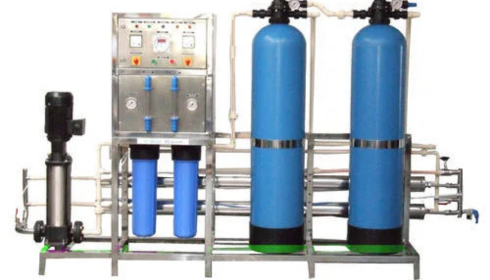
    That’s when most people start looking into water technologies — systems designed to treat, soften, and purify what runs through every tap in your home.


    When Science Meets Simplicity

    The best part about water treatment today is how smart it’s become. You don’t need bulky tanks or constant maintenance anymore. You don’t need to know the chemistry. You just need the right setup.

    Modern systems analyze water quality, self-clean, and even adjust automatically depending on usage. It’s like autopilot for your home’s most essential resource. But what’s fascinating is how personal the difference feels once you switch. The shower suddenly feels smoother. The coffee tastes cleaner. Towels come out fluffier. It’s subtle, but real.

    That’s what separates advanced water systems from basic filters — precision. It’s not just about removing “stuff,” it’s about restoring what water’s supposed to be.


    The Quiet Benefits Nobody Mentions

    Everyone talks about soft water making hair shiny or keeping appliances clean — and that’s true — but there’s more to it. It changes the way your home feels. The way your kitchen smells when you boil water. The way your laundry holds its color. The way your skin reacts after a bath.

    Even cooking tastes different. Pasta boils faster. Vegetables keep their color longer. Your morning tea doesn’t have that faint chalky note. It’s one of those improvements that seeps into every corner of daily life, unnoticed but appreciated.

    And that’s kind of poetic, isn’t it? The most unglamorous upgrade — pure water — ends up making everything else a bit more beautiful.


    Why Professional Matters

    Here’s where most people go wrong — they buy an off-the-shelf filter and expect miracles. But water isn’t the same everywhere. What works in one city might be useless in another. The composition changes depending on your region, your pipes, even the age of your building.

    That’s why going with a professional water treatment company isn’t about spending more — it’s about doing it right. Experts test your water, customize the system, and make sure everything runs efficiently. You don’t end up guessing, hoping, or constantly replacing filters that never seem to work.

    It’s like hiring a tailor instead of buying a “one-size-fits-all” suit. You could make the cheap one work, sure. But the difference in fit? Night and day.


    Hard Water: The Hidden Expense

    If you ever needed another reason to care, here’s one that hits the wallet. Hard water can add hundreds of dollars a year to your household costs — from higher energy bills (because of scale buildup in your heater) to the constant replacement of clogged appliances. It’s the kind of invisible drain that never makes the budget but quietly eats away at it.

    And that’s before you count the hours wasted cleaning mineral stains or scrubbing shower tiles that never look clean. It’s not dramatic, but it’s exhausting.

    So when people say a water treatment system “pays for itself,” it’s not marketing fluff. It’s reality — the math adds up, drop by drop.


    A Little Tech, A Lot of Peace

    The thing about smart home improvements is that some are loud — they glow, beep, or send notifications. But others are quiet. They just work, making life smoother in the background. Water systems belong to the second kind.

    The technology has evolved to the point where it’s practically invisible. Sensors manage flow, automatic flushing keeps things clean, and compact units fit under counters without stealing space. No maintenance headaches, no weird noises at night — just water, how it’s supposed to be.

    That’s what makes solutions like seal water tech stand out — they focus on what actually matters: reliability, quality, and simplicity. You shouldn’t have to think about your water. It should just be good.


    Why Water Quality Feels So Personal

    Water’s intimate. You cook with it, wash your face with it, bathe your kids in it. It’s woven into every ritual of daily life. So when it’s clean, balanced, and safe — there’s a quiet comfort that comes with that.

    It’s not luxury in the flashy sense. It’s comfort in the grounded, everyday way — like fresh bedsheets or a warm shower after a long day. It’s something that makes your home feel right.

    And that’s really what people are chasing when they invest in better water systems. Not gadgets. Not status. Just comfort that lasts.


    A Sustainable Step Forward

    There’s also a bigger picture to all this. Modern water systems aren’t just good for your home — they’re good for the planet. They help you use less detergent, cut down on bottled water, and reduce chemical runoff from cleaning agents.

    Small steps add up. Softer water means fewer harsh cleaners. Efficient systems mean less waste. It’s the kind of sustainability that doesn’t feel like sacrifice — just better living.


    The Bottom Line

    We don’t think about water until something’s wrong with it. But once you experience truly balanced, soft, clean water, there’s no going back. It’s not a luxury; it’s a form of care — for your home, your body, your peace of mind.

    Technology has finally caught up with what we’ve always needed — cleaner water that fits effortlessly into everyday life. From the advanced filtration systems of seal water tech to the innovative designs behind water technologies, the future of clean water isn’t loud or flashy. It’s simple. It’s smart. It’s human.

  • Why the Right Plumber Makes All the Difference: A Look at Skill, Trust, and Real Craftsmanship

    Why the Right Plumber Makes All the Difference: A Look at Skill, Trust, and Real Craftsmanship

    There’s a certain peace that comes from knowing your home runs smoothly — water flows, drains drain, heaters heat. But plumbing isn’t something we think about until it suddenly demands attention. One minute everything’s fine; the next, there’s a puddle under the sink or a shower that refuses to get warm. It’s the kind of problem that sneaks up quietly but can throw your entire day off balance.

    That’s where a good plumber makes all the difference. Not the kind who just tightens a bolt and rushes out, but someone who understands systems, solves problems, and genuinely cares about the outcome.


    The Real Value of Experience

    Plumbing isn’t as simple as it looks. It’s a blend of physics, design, and problem-solving — all hidden behind walls and beneath floors. When you call someone to fix an issue, you’re trusting them with a lot more than pipes. You’re trusting them with your home’s health.

    That’s why it matters to hire licensed professionals. These aren’t just people who picked up a wrench one day and decided to give it a try. They’ve studied the craft, passed exams, and spent years learning through hands-on experience. They understand water flow, pressure balance, and the delicate dance between functionality and safety.

    Hiring a licensed plumber means you’re getting someone who knows how to diagnose the root of a problem — not just the symptom. They see the full picture, ensuring your home’s systems stay sound long after they’ve left. It’s not just expertise you’re paying for; it’s peace of mind.


    The Balance Between Rules and Real Life

    Every region has its own building regulations — the dos and don’ts that ensure homes are safe and efficient. Plumbing is no exception. A true professional doesn’t just know these guidelines; they respect them.

    Working within local codes might sound bureaucratic, but those rules exist for a reason. They protect your water supply from contamination, prevent leaks that can lead to mold, and ensure that waste disposal systems don’t pose health risks.

    It’s easy for an inexperienced handyman to cut corners — skip a vent, use the wrong pipe size, or overlook backflow prevention. But small mistakes in plumbing have a way of turning into big, expensive messes later. Experienced plumbers know how to navigate both the technical and the legal sides of the job. They don’t just build systems that work; they build systems that last.


    Plumbing Is About People, Not Just Pipes

    The best plumbers understand that their job isn’t just about fixing water problems — it’s about fixing stress. When you’ve got a leak in your kitchen or no hot water on a cold morning, you’re not just frustrated; you’re vulnerable.

    Good tradespeople recognize that. They show up on time, explain things clearly, and treat your home with respect. You can tell when someone takes pride in their work — they check everything twice, clean up after themselves, and leave you with a quiet sense of relief that things are finally back to normal.

    That’s what safety satisfaction feels like. It’s the comfort of knowing your system is secure, your home is dry, and you can go back to focusing on the rest of your life without worrying about what’s happening under the floorboards.


    When Plumbing Meets Modern Innovation

    Plumbing today isn’t the same as it was a generation ago. New materials, eco-friendly technologies, and smart home integrations have changed the game entirely. From motion-sensor faucets to tankless water heaters and leak detection systems that send alerts to your phone — the trade has evolved.

    But technology is only as good as the person installing it. You need someone who’s not just comfortable with traditional systems but who also embraces modern techniques. The best plumbers blend time-tested craftsmanship with up-to-date technical know-how. They understand how to retrofit older homes, integrate smart devices, and optimize water efficiency without compromising reliability.

    It’s that mix of old-school skill and new-school innovation that keeps things flowing — literally and figuratively.


    A Day in the Life of a Plumber

    Imagine this: it’s raining, the phone rings, and it’s another emergency. A family’s basement is flooding, and the plumber grabs his tools, drives through the storm, and starts working. There’s no complaining, no hesitation — just quiet focus.

    That’s the reality of the job. It’s physical, often messy, sometimes thankless — but also deeply rewarding. Because at the end of the day, plumbers restore order. They bring back warmth, cleanliness, and comfort. And most of the time, they do it without fanfare.

    It’s not about heroics. It’s about doing a necessary job well, one that most people don’t even think about until they desperately need it.


    What to Look for in a Reliable Plumber

    When you’re choosing a plumbing service, look beyond the flashy ads or cheapest quotes. Ask about certification, insurance, and experience. Look for reviews that mention not just skill, but honesty and professionalism.

    A good plumber won’t try to upsell you or cut corners. They’ll explain what’s wrong, why it happened, and what your options are. They’ll be upfront about costs and timelines. They’ll show respect — not just for your home, but for your time.

    You’ll know you’ve found the right one when you can breathe easy after they leave, confident the job was done properly.


    The Long-Term Payoff

    Plumbing repairs can feel like a chore — one more expense on a growing list. But investing in quality work now often saves you from much larger costs later. A properly installed pipe won’t leak. A well-maintained water heater won’t fail unexpectedly. Preventive inspections can catch corrosion or pressure issues before they turn into emergencies.

    It’s one of those quiet truths of homeownership: maintenance is always cheaper than disaster recovery.


    The Human Side of Craftsmanship

    What’s remarkable about good plumbers isn’t just their technical skill — it’s their mindset. They care. They treat every home as if it were their own. They understand that plumbing isn’t just about water flow; it’s about how people live.

    They take satisfaction in a job done right, even if nobody sees the finished work. Because they know the real reward comes later — when that shower runs perfectly, or when you never have to think about your pipes again.

    It’s the kind of work ethic that’s hard to find, but impossible to forget once you’ve experienced it.


    Final Thoughts

    Plumbing isn’t flashy. It’s not something you brag about or post on social media. But it’s essential — one of those behind-the-scenes systems that quietly keeps modern life running.

    Whether it’s installing a new fixture, maintaining a water heater, or repairing a main line, good plumbing work is about trust, precision, and care. It’s about professionals who show up, do the job right, and leave you with comfort and confidence.

  • When Your Oven Starts Smelling Strange: What It Means and What You Can Do

    When Your Oven Starts Smelling Strange: What It Means and What You Can Do

    There’s something oddly comforting about the hum of an oven warming up — the promise of fresh bread, a bubbling casserole, or cookies that make the whole house smell like happiness. But sometimes, instead of the scent of home-cooked goodness, you’re hit with an unpleasant, sharp odor that makes you wrinkle your nose. If your oven smells bad when turned on, don’t panic. It’s a pretty common issue, and in most cases, it’s fixable without needing a repair bill that hurts more than the smell itself.


    That “New Oven” Smell That Won’t Quit

    If you’ve just bought a new oven, that weird chemical scent during the first few uses is actually normal. Manufacturers often coat the oven interior with protective oils that burn off when heated for the first time. Some people describe it as a plastic-like or metallic odor. It’s annoying but harmless. Running the oven empty at a high temperature for 30 to 60 minutes (with the windows open!) usually burns it off.

    But if your oven’s been with you for a while and that smell keeps showing up every time you cook — well, that’s a different story. Food residue, spills, or even cleaning products can be the culprits here.


    The Lingering Funk of Forgotten Food

    Burnt food bits are sneaky. A small cheese spill from last week’s pizza or that roasted chicken grease that dripped onto the bottom tray — they can cling, burn, and create a smoky or acrid odor every time you preheat. That’s why it’s important to give your oven a little love every now and then.

    Try removing the racks and cleaning them separately with baking soda paste or a bit of dish soap and warm water. For the oven interior, skip harsh chemical cleaners if you can. A natural mix of baking soda and vinegar works wonders. Let it sit overnight, then wipe clean. Your nose will thank you later.

    Sometimes people ask, “Why does my oven smell even after I clean it?” The answer could be hiding in less obvious spots — like underneath the bottom heating element or behind the fan cover in convection models. Those areas tend to trap grease and crumbs over time, slowly burning with each use.


    The Mysterious Metallic or Gas-Like Odor

    Now, here’s where things get serious. If you smell gas or a metallic odor before the oven even starts heating, stop immediately. Turn off the oven, open the windows, and avoid lighting anything nearby. It could indicate a gas leak or malfunctioning burner. Don’t second-guess it — call your gas provider or a professional technician right away.

    For electric ovens, a metallic smell can sometimes come from wiring issues or the heating element wearing out. It’s rare, but it happens, especially in older models. Either way, never ignore anything that smells like burning metal or electrical plastic.


    When Cleaning Products Make It Worse

    Ironically, sometimes the source of the problem is our attempt to fix it. Strong oven cleaners or degreasers often leave behind chemical residues. When the oven heats up, those chemicals burn and release fumes that smell worse than the mess you were trying to clean.

    If this happens, wipe down the oven again with a damp cloth and mild soap. You can even “bake out” the chemical odor by running the oven empty at 400°F for 20–30 minutes with the door slightly open (if your model allows it). It’s not glamorous, but it usually works.


    Hidden Causes You Might Not Expect

    Every once in a while, the culprit isn’t food or chemicals at all. Maybe a bit of packaging or plastic wrap accidentally got left inside. Or, in rare cases, a small piece of rubber insulation or a plastic utensil might have fallen onto a heating element. Those smells are particularly nasty — like burnt rubber mixed with melted plastic. If you suspect that, let the oven cool completely and inspect it carefully before using it again.

    Another possibility? Moisture buildup. If you live in a humid area or don’t use your oven often, a musty smell can form. Running the oven at a low temperature for an hour can help dry things out.


    The Everyday Burn-Off Method

    Sometimes, the simplest approach works best. If your oven smells bad, just give it a “burn-off session.” Set it to around 500°F for 20 minutes. Leave the kitchen, open a few windows, and let it do its thing. The high heat will vaporize leftover residues that cause odors. Once it cools down, wipe away any ash or soot.

    If you have a self-cleaning oven, use that feature sparingly. It’s convenient but harsh on the components and can even create temporary smells of its own. Think of it as a deep-clean option you use once in a while — not every time there’s a spill.


    A Few Prevention Tips That Actually Work

    • Use oven liners or trays to catch drips and spills — but make sure they’re heat-safe.
    • Wipe spills immediately after cooking (once the oven cools).
    • Ventilate your kitchen while baking or roasting. A little airflow keeps lingering odors from setting in.
    • Avoid overusing sprays or degreasers. They can mask smells temporarily but leave residues that burn later.

    Wrapping It Up — A Fresh Start

    Your oven’s supposed to fill your kitchen with warmth and delicious scents, not make you question your life choices every time you bake a lasagna. Thankfully, most odor issues come down to simple cleaning, awareness, and occasional maintenance.

    If the smell persists despite all your efforts, it might be time to call in a pro. They can check hidden components like the insulation or wiring that you can’t safely reach. But for most people, a bit of scrubbing and a “burn-off” usually restores that clean, cozy vibe we all love.

    Because really, a home-cooked meal shouldn’t come with mystery fumes. Keep things clean, stay alert, and let your oven do what it was made for — turning raw ingredients into comfort on a plate.

  • When Water Turns Metallic: Understanding the Strange Taste in Your Glass

    When Water Turns Metallic: Understanding the Strange Taste in Your Glass

    Ever taken a sip of water straight from the tap and felt like you accidentally licked a coin? It’s one of those odd, slightly unsettling moments where something as simple as drinking water suddenly feels… off. Water is supposed to be clean, crisp, and tasteless — so when it starts carrying a metallic tang, it’s natural to wonder what’s going on. Let’s talk about that strange flavor and what it’s trying to tell you about your plumbing, pipes, and water quality.


    The Unpleasant Surprise in a Glass

    If your tap water tastes metallic, it can make your morning coffee taste weird, your cooking feel different, and even your hydration routine feel like a chore. The metallic taste isn’t just in your head — it’s often caused by the presence of certain metals in the water, like iron, copper, zinc, or manganese. Sometimes it’s harmless; other times, it’s a small red flag that something might need checking.

    Municipal water systems and well water alike can both be culprits. Old pipes, corrosion, or even a temporary chemical imbalance in your water supply can change how it tastes. But identifying the exact reason usually takes a bit of detective work.


    Common Causes Behind the Metallic Taste

    Let’s break it down. That metallic taste might be coming from one of several sources — some serious, some not so much.

    1. Iron and Manganese:
      These naturally occurring minerals often find their way into groundwater. A little isn’t usually a problem, but when the concentration gets high, your water can taste like it’s been stirred with a nail file.
    2. Copper or Zinc:
      If your plumbing system uses copper pipes, corrosion can release copper particles into your water. Similarly, galvanized pipes may leach zinc or lead, especially if your home’s plumbing is a few decades old.
    3. Low pH Levels:
      Acidic water (with a pH lower than 7) tends to corrode metal pipes more easily, causing that telltale tang. It’s a silent issue — you won’t see the corrosion happening, but your taste buds will pick up the signal.
    4. Temporary Flushing or Maintenance:
      Sometimes, cities flush their water systems to clear out sediment. That short-term disturbance can stir up mineral deposits, temporarily changing the flavor of your water.

    When Filtered Water Still Tastes Metallic

    Now, here’s the twist that confuses people the most: sometimes you install a fancy filter, expecting crystal-clear, perfect water — and yet why does my filtered water taste like metal?

    The answer often lies in the type of filtration system you’re using. Carbon filters, for instance, can remove chlorine and improve smell but might not catch all dissolved metals. If the filter cartridge is old or improperly installed, it could even contribute to the taste itself.

    In other cases, if you’ve recently installed a new system, the metallic flavor could be coming from fresh components (especially stainless steel fittings) that need a few flushes before they settle. It’s frustrating, sure — but not always a reason to panic.


    Health Considerations You Shouldn’t Ignore

    Most metallic-tasting water isn’t toxic — but it’s not something to ignore either. The presence of certain metals like lead, for example, can pose serious health risks, especially for children and pregnant women. Lead rarely gives off a noticeable taste, which makes any strange metallic note in your water a reason to double-check things.

    If you notice a persistent metallic taste when drinking water, consider testing it through a certified lab or a local water authority. Many areas offer low-cost or even free testing programs for homeowners. It’s the most reliable way to figure out whether it’s just iron or something more concerning like copper corrosion or lead contamination.


    Simple Fixes and Smart Solutions

    Before calling in a plumber or swapping out your entire filtration system, there are a few simple checks and fixes worth trying:

    • Run your tap for a minute or two in the morning before using the water. If the metallic taste fades, it might just be water sitting in your pipes overnight.
    • Replace old filters — even if they’re rated for long-term use. Sediment and mineral buildup can compromise efficiency fast.
    • Inspect plumbing materials. If your home was built before the 1980s, it might still have lead or galvanized steel pipes. Modern copper or PEX plumbing can make a big difference.
    • Install a whole-house filter that targets heavy metals, not just chlorine or sediment.
    • Balance your water’s pH — a water treatment professional can help with that if corrosion seems to be the root cause.

    Sometimes, it’s as simple as cleaning your faucet aerator, which can collect mineral deposits that alter taste. Little details like that can go a surprisingly long way.


    When to Call a Professional

    If you’ve tried everything and the problem persists, it might be time to bring in a licensed plumber or water specialist. They can identify whether the issue stems from your internal plumbing or the broader water supply. For homes with private wells, professionals can test the groundwater directly and recommend treatment systems that actually match your water chemistry — not just a one-size-fits-all filter.


    The Taste Test That Tells a Story

    The taste of your water can reveal more about your home than you think. Whether it’s aging pipes, neglected filters, or just mineral-rich groundwater, that metallic tang is trying to tell you something. The key is to listen — and not just mask it with lemon slices or ice cubes.

    So, the next time your water tastes a little off, don’t shrug it off as imagination. There’s always a reason, and usually, it’s something fixable. Clean, neutral-tasting water isn’t a luxury; it’s a sign that everything behind your tap is working the way it should.

    Sometimes, fixing the smallest taste issue means uncovering a bigger story about your home’s plumbing — and making sure the water you drink every day is as pure as it’s meant to be.

  • The Hidden Power Behind Smooth Flow: Understanding Water Pressure Systems and the Tanks That Make Them Work

    The Hidden Power Behind Smooth Flow: Understanding Water Pressure Systems and the Tanks That Make Them Work

    There’s something oddly satisfying about turning on a faucet and getting that strong, steady stream of water. You might not think twice about it, but behind that effortless flow is a quiet, complex system doing some serious heavy lifting. From showers that stay powerful even when someone’s using the washing machine, to irrigation lines that feed entire gardens evenly—none of it happens by luck. It’s all about how water pressure systems are designed and managed.

    Good water pressure isn’t just a luxury—it’s a sign that your system is balanced, efficient, and built to last. And when it’s not? You notice. Low pressure can turn a quick rinse into a frustrating trickle, while high pressure can strain your plumbing and wear out fixtures prematurely. So, how does a well-designed setup strike that perfect balance between too little and too much?

    At the heart of it all lies a combination of technology and physics—pumps, valves, and pressure-regulating devices working together like an orchestra. A pump pushes the water, but what keeps it consistent are the hidden heroes of the system: the pressure tanks. These components are what ensure your morning shower feels the same even when the dishwasher kicks in.


    If you’ve ever opened a maintenance room or peeked behind a water supply setup, you might’ve seen a large cylindrical tank with pipes connected at odd angles. That’s a pressure tank, and it’s far more important than it looks. In simple terms, it stores pressurized water to reduce the workload on your pump and maintain consistent pressure. Among these, hydropneumatic tanks are perhaps the most common—and for good reason.

    Hydropneumatic tanks operate using a clever balance between air and water. As the pump pushes water into the tank, it compresses the air inside. That compressed air then acts like a spring, pushing water out at a steady rate when you open a tap. The result? Fewer pump cycles, more efficiency, and a smoother experience all around. Think of it like a buffer zone—it absorbs the system’s highs and lows, making sure you don’t feel every fluctuation.

    But these tanks don’t just stop at pressure control. They also play a key role in energy conservation and system longevity. A pump that’s constantly switching on and off wears down quickly. By minimizing those cycles, hydropneumatic systems help your equipment last longer, save energy, and reduce maintenance costs. It’s one of those silent investments that pays off in years rather than days.


    Of course, as with most things in engineering, evolution doesn’t stop. The traditional air-over-water design of hydropneumatic tanks works well—but it has its quirks. Over time, air can dissolve into the water, leading to a loss of pressure balance and frequent recharging. That’s where modern bladder tanks step in to refine the process.

    Bladder tanks are like an upgrade to the classic design. Instead of letting air and water mix freely, they keep them separated using a flexible internal bladder or diaphragm. When the pump fills the tank, the bladder expands, compressing the air on the other side. This prevents the air from dissolving into the water, meaning the system holds its pressure longer with less maintenance. It’s cleaner, quieter, and more reliable—qualities any homeowner or facility manager would appreciate.

    What’s fascinating about bladder tanks is how they make complex fluid dynamics feel so simple in practice. They keep pressure steady, protect the pump, and ensure the whole system runs smoothly. You don’t have to think about it. You just turn the tap, and it works. That kind of reliability is what defines good water system design—it feels invisible until it isn’t.


    But here’s the thing: no matter how advanced your setup is, no system is truly “set and forget.” Routine maintenance still matters. Air charge levels should be checked, bladders inspected, and pressure switches calibrated to ensure they’re functioning correctly. It’s a bit like maintaining your car—you don’t wait for a breakdown to check the oil. Regular inspection helps prevent costly surprises.

    And then there’s the installation factor. Even the best tank in the world can’t save a poorly designed system. Sizing, placement, and matching the right tank with the right pump are crucial steps that often get overlooked. Undersized tanks can cause rapid cycling, while oversized ones might lead to unnecessary expense. The key is balance—just enough capacity to handle your demand without overburdening the equipment.

    Professionals who design and install water pressure systems know this dance well. They consider factors like elevation, distance, demand peaks, and even future expansion before selecting the right configuration. It’s part science, part experience. When done right, the result is a system that feels effortless from the user’s end—steady water pressure, quiet operation, and minimal maintenance.


    It’s funny how something as simple as water flow can have so much going on behind the scenes. For most of us, the goal is comfort and reliability—we want water when we need it, with the right pressure, and without worrying about the mechanics behind it. Yet, understanding how it all works gives a new appreciation for those steel tanks and the engineers who designed them.

    Whether you’re running a household, managing a commercial building, or maintaining an agricultural setup, consistent water pressure isn’t just convenience—it’s functionality, efficiency, and even safety. The next time your tap delivers that perfect stream of water, take a moment to appreciate the unseen network of pipes, pumps, and tanks working tirelessly in the background.

    Because at the end of the day, good water systems aren’t just about plumbing—they’re about precision. About creating harmony between pressure, flow, and design so that something as everyday as water feels simple again. And that, in itself, is a quiet kind of genius.

  • Powering Homes and Businesses: Reliable Electrical Work Across the Capital Region

    Powering Homes and Businesses: Reliable Electrical Work Across the Capital Region

    There’s something oddly comforting about the quiet hum of electricity running through a well-wired home. It’s one of those invisible essentials that most of us never really think about—until, of course, something goes wrong. A flickering light, a tripped breaker, or that faint burning smell that makes your stomach drop… suddenly, the wiring you’ve ignored for years becomes your top priority. That’s when you realize just how important good electricians really are, especially in a growing area like the Capital Region where modern living demands top-notch, safe, and efficient electrical work.

    Where Quality and Safety Go Hand in Hand

    Electricity isn’t something you cut corners with. One loose connection or outdated panel can mean big trouble—not just for your gadgets, but for your safety. The good news? Professional electrical services capital region experts know exactly how to blend precision with safety, making sure every wire, outlet, and breaker does its job without putting your property or loved ones at risk.

    From small repairs to full rewiring projects, the best electricians in the Capital Region understand that reliability is everything. They don’t just show up to fix a problem; they come equipped to diagnose, explain, and offer solutions that make sense long-term. It’s not just about restoring power—it’s about earning trust.

    More Than Just Repairs: The Modern Electrician’s Role

    Today’s electricians are problem-solvers, designers, and sometimes even futurists. They’re not just patching old systems—they’re upgrading homes and offices to handle smart technology, energy-efficient lighting, and renewable integrations like solar power. If you think about it, their work touches every part of daily life: the light in your kitchen, the outlets that charge your devices, the system that keeps your workspace running smoothly.

    And yet, the profession often goes unnoticed until something sparks—literally. That’s when a skilled, certified electrician becomes the unsung hero of the moment. They’re the ones who crawl through attics, trace hidden faults, and make sure every amp flows safely and efficiently.

    The Importance of Expert Installation

    There’s a big difference between wiring that “works” and wiring that’s done right. Anyone can make a light bulb turn on; not everyone can make sure it’ll keep working safely for years. Proper electrical installation capital region services ensure that everything—whether it’s a new lighting system, a security camera setup, or an EV charger—is installed to code, balanced for load, and future-ready.

    Take, for example, a new homeowner moving into a renovated property. The walls might look perfect, but behind them, you could find a mix of old and new wiring, mismatched breakers, or outdated panels. An experienced electrician will spot those red flags immediately and fix them before they turn into expensive surprises. It’s the kind of peace of mind you don’t appreciate until you’ve lived through an unexpected blackout.

    When Experience Matters Most

    The Capital Region is a diverse mix of historic properties, new construction, and commercial spaces. Each comes with its own electrical quirks. Working on a 1920s brownstone isn’t the same as wiring a new corporate office—and any electrician worth their salt knows that. That’s why experience matters. Seasoned professionals can adapt their approach, whether it’s preserving the charm of an older home or setting up cutting-edge automation in a modern one.

    In many cases, electricians also double as consultants. They help property owners plan energy-efficient layouts, integrate sustainable options, and even reduce overall utility costs. They’re not just there to connect wires—they’re helping build the infrastructure for smarter, greener living.

    A Day in the Life of a Local Electrician

    It’s easy to take what they do for granted. But spend a day with one of them, and you’ll gain a whole new respect. They’re up early, checking service calls, driving across town to tackle everything from flickering lights to full panel upgrades. The job demands patience, precision, and problem-solving under pressure. One wrong move can trip an entire system, so attention to detail is second nature.

    And there’s something deeply satisfying about their work. Every completed project—every light that turns on perfectly—is proof of skill and craftsmanship. It’s technical, sure, but it’s also creative in its own way.

    How to Choose the Right Electrician

    With so many options out there, how do you find the right one? Start with credentials and reputation. Look for licensed professionals who have proven experience in both residential and commercial work. Don’t be afraid to ask questions—good electricians are transparent about pricing, timelines, and materials. They’ll walk you through the process instead of burying you in jargon.

    Reviews and word-of-mouth recommendations also go a long way. People remember who showed up on time, explained things clearly, and cleaned up afterward. Reliability might sound like a small thing, but in the world of electrical work, it’s everything.

    Investing in the Future of Power

    The Capital Region is evolving fast—new businesses, housing developments, and infrastructure projects are transforming the landscape. Behind all that growth is a network of electricians making sure the lights stay on, the machines run smoothly, and the systems stay safe.

    Investing in professional electrical services isn’t just about solving today’s issues—it’s about preparing for tomorrow. As homes and businesses adopt smarter technologies and renewable systems, demand for qualified electricians will only grow. Whether you’re renovating a home, opening a new store, or simply upgrading old fixtures, having a trusted expert by your side makes all the difference.

    Final Thoughts

    Electricity may be invisible, but its impact isn’t. It powers everything we do, and behind that power are skilled professionals who make sure it all runs flawlessly. The next time you flip a switch, take a moment to appreciate the quiet work happening behind the scenes—the careful hands and sharp minds that keep your world bright, safe, and connected.

    Because in the end, great electrical work isn’t just about wiring—it’s about trust, craftsmanship, and keeping life moving forward without a flicker.

  • Clean, Safe, and Soothing: Why Every Home Deserves Reliable Water Systems

    Clean, Safe, and Soothing: Why Every Home Deserves Reliable Water Systems

    There’s something oddly comforting about turning on the tap and hearing that steady rush of water. You don’t think twice about it—until suddenly, you have to. Maybe the taste feels off, or the pressure’s weak, or your softener starts acting up right before a weekend family dinner. It’s easy to take clean water for granted, but it’s one of those everyday luxuries that quietly shapes your comfort, health, and even mood.

    Understanding the Importance of Proper Installation

    If you’ve ever wondered why some homes seem to have silky-smooth water while others constantly battle mineral buildup, the difference usually starts with professional installation. Getting a drinking water system installation near me isn’t just about putting a filter under your sink—it’s about ensuring your family gets fresh, clean, and safe water that tastes right every single day. A reliable setup means fewer plumbing headaches, fewer appliance issues, and fewer moments when you stand there, glass in hand, wondering if your water’s “off” again.

    Professionals not only know how to install systems efficiently but also how to match the setup to your local water quality and your home’s plumbing layout. It’s not a one-size-fits-all job. A well-installed system can last years without issues, while a rushed or DIY setup might start showing problems within months. And trust me—those problems usually appear right when you least expect them.

    When Trouble Strikes, You Need Fast Help

    Now picture this: it’s late on a Saturday night, and you notice your water softener’s stopped regenerating. You’re getting that harsh, chalky feel on your hands, and dishes look like they’ve been dipped in powder. Most people panic at that moment—and understandably so. That’s where having a trusted emergency water softener repair service makes all the difference. You don’t want to wait until Monday. You need someone who understands urgency, who can get the system up and running again without turning your weekend into a plumbing horror story.

    The right service team knows how to diagnose problems quickly—whether it’s a salt bridge, motor failure, or valve issue—and they’ll fix it before hard water starts wreaking havoc on your pipes and appliances. It’s peace of mind in the form of professional reliability.

    The Hidden Cost of Delaying Repairs

    Ignoring water system problems might feel harmless in the short term, but it’s like letting a slow leak drip behind your wall—small at first, costly later. Hard water doesn’t just affect how your laundry feels or how your shower looks; it silently eats away at your plumbing, increases energy bills, and shortens the lifespan of your water heater. The minerals that make water “hard” can coat heating elements, reducing efficiency and forcing them to work overtime. And that’s money straight out of your pocket.

    A dependable water softener repair service near me doesn’t just fix the issue—it extends the life of your system and prevents future breakdowns. Think of it as regular health checkups for your home’s heart and veins. The earlier you catch a problem, the cheaper and simpler it is to fix.

    Signs It’s Time to Call the Pros

    Sometimes the symptoms of water system trouble are subtle. Maybe your coffee suddenly tastes bitter, or your hair feels rough after washing. Maybe your faucets have white residue that wasn’t there last week. These are your system’s way of whispering that something’s wrong. The key is not to ignore those whispers.

    You might also notice:

    • Sudden pressure drops
    • A metallic or earthy taste in your water
    • Soapy residue that won’t rinse away
    • Constantly refilling softener tanks or unexpected noises

    When these signs appear, don’t overthink it. Call an expert. A quick inspection can often save you from a full-blown replacement later.

    The Long Game: Maintenance Matters

    Like any appliance, your water system thrives on attention. A little maintenance goes a long way. Check filters every few months. Keep your salt levels balanced. And schedule at least one professional tune-up a year. It’s the kind of small effort that saves you thousands in the long run.

    Some homeowners like to handle minor adjustments themselves, and that’s fine. But for major installations or complex issues, having a certified technician ensures everything runs smoothly. They’ll catch what you might miss—tiny leaks, pressure inconsistencies, or software glitches in newer systems.

    The Emotional Side of Clean Water

    There’s something almost emotional about good water. It feels pure, refreshing, and quietly reassuring. It’s that morning glass that wakes you up, that post-shower softness that makes your skin feel great, that peace of mind knowing your family’s drinking water is safe. A well-functioning system isn’t just plumbing—it’s comfort, confidence, and care all rolled into one.

    Wrapping It Up

    Your home deserves more than just running water—it deserves quality water. Whether you’re planning a new filtration setup or scrambling to fix a malfunctioning softener, investing in professional help ensures things stay right the first time. It’s about protecting what matters most: your family’s health, your home’s longevity, and your everyday comfort.

    Next time you catch yourself wondering why your neighbour’s water always feels better, remember—it’s not luck. It’s maintenance, smart installation, and quick response when things go wrong. Water might seem ordinary, but when it’s clean, balanced, and flowing just right, it’s one of the best luxuries of modern living.

  • The Real Value of Expert Witnesses in Modern Litigation: A Behind-the-Scenes Look

    The Real Value of Expert Witnesses in Modern Litigation: A Behind-the-Scenes Look

    If you’ve ever been involved in a legal dispute that escalated to court, you already know how tangled and unpredictable litigation can get. Facts blur, emotions run high, and everyone’s scrambling for clarity. In these moments, litigation expert witnesses often step in — not as magicians or miracle workers, but as the voices of reason grounded in deep, specialized knowledge. They’re the bridge between complex evidence and courtroom understanding, helping judges and juries see the truth through the fog of opinion.

    Why Expert Witnesses Matter More Than Ever

    We live in an era where data, science, and technology shape nearly every corner of life — from medicine to finance, from construction to cybersecurity. Legal cases now revolve around details that most people can’t easily grasp without guidance. That’s where expert witnesses earn their stripes.

    Whether it’s a structural engineer explaining why a building collapsed or a forensic accountant tracing hidden assets, these professionals translate complexity into clarity. Their opinions can tip the scales in high-stakes litigation, offering credibility that pure argument can’t achieve.

    But beyond the courtroom, they also help lawyers craft smarter strategies, challenge faulty claims, and understand where a case might unravel long before a verdict is reached.

    Inside the World of Litigation Experts

    The term “expert witness” might sound sterile, but behind it lies an ecosystem full of intense preparation, high-pressure testimony, and ethical responsibility. Every opinion must rest on verifiable evidence, not emotion or bias. One slip, and an opposing counsel will pick it apart on cross-examination.

    The good ones don’t just memorize facts — they tell stories through data. They know how to connect the technical dots in ways a layperson can understand. In essence, their credibility isn’t built just on degrees or titles but on how well they communicate truth under scrutiny.

    That’s the heart of what makes litigation legal insight so powerful — it’s not just about knowing the law, but understanding how expert knowledge interacts with it. Legal insight comes alive when it’s informed by professionals who can explain, defend, and contextualize their expertise without losing the human touch.

    The Growing Demand for Specialist Knowledge

    As disputes get more technical, the demand for niche experts keeps climbing. Environmental scientists testify in pollution cases, IT forensics specialists weigh in on data breaches, and medical professionals outline the effects of misdiagnosis or malpractice.

    This trend has reshaped how law firms prepare for trial. No longer is it enough to hire one generalist expert and hope for the best. Now, firms assemble multidisciplinary teams to dissect evidence from every possible angle. That’s where the right referral networks make all the difference.

    When law firms or corporations don’t have the time or reach to vet experts directly, they turn to expert witness referral services — organizations dedicated to connecting attorneys with vetted professionals. These services streamline the process, matching cases with specialists whose backgrounds, qualifications, and courtroom experience align perfectly with the legal challenge at hand.

    The Fine Line Between Expertise and Advocacy

    There’s a misconception that expert witnesses exist to “win” cases. The reality is more nuanced. Their credibility depends on independence — they’re not there to serve as hired guns for one side or the other. The moment they appear biased, their testimony loses weight.

    It’s a constant balancing act: remaining objective while also delivering testimony that’s clear and persuasive. That tension is what makes the best experts invaluable. They don’t just recite technical jargon; they build trust by presenting complex truths in relatable terms.

    You might say the true skill lies not in what they know but in how they share it.

    What Makes a Great Expert Witness

    Not every seasoned professional can thrive in court. The best expert witnesses combine three traits — authority, communication, and composure. Authority comes from years of specialized experience. Communication ensures their testimony resonates with a jury of non-experts. And composure… that’s the ability to stay calm under cross-examination when every word feels like a trap.

    Their job isn’t to argue, but to clarify. They don’t take sides; they illuminate the facts.

    How Expert Witnesses Shape the Outcome

    A strong expert can redefine the entire direction of a case. They can dismantle weak claims, strengthen negotiation positions, or even prevent a trial altogether by influencing early settlement discussions.

    In some cases, their testimony is the turning point — the moment when the jury finally “gets it.” And even when they’re not on the stand, their written opinions and analyses often serve as the backbone of the attorney’s argument.

    Think of them as the translators of truth, converting specialized language into something justice can understand.

    The Bigger Picture

    Litigation is, at its core, about uncovering what really happened — and expert witnesses are among the few who can guide the court toward that truth. Their insights provide a layer of objectivity that’s vital in a world where everyone has an opinion but few have proof.

    Behind every persuasive closing argument, there’s usually an expert who helped shape it. Behind every dismissed claim, a specialist who found the flaw. They don’t just appear in court; they leave fingerprints all over the process of justice.

    Final Thoughts

    When you step back and look at the evolving landscape of modern litigation, one thing becomes clear: expertise isn’t just helpful — it’s essential. The courtroom is no longer a place for gut feeling or vague persuasion; it’s a forum where knowledge and communication collide.

    Whether you’re a lawyer, a business owner, or someone just curious about how complex disputes are resolved, it’s worth appreciating the invisible army of experts who make fair judgment possible.

    After all, behind every verdict lies a trail of research, analysis, and testimony that few ever see — and it’s often the quiet power of these experts that ensures justice isn’t just served, but understood.

  • The Hidden Science of Comfort: Choosing the Right Water Heater for Your Home

    The Hidden Science of Comfort: Choosing the Right Water Heater for Your Home

    There’s something deeply satisfying about stepping into a perfectly warm shower at the end of a long day. It’s one of those small luxuries we rarely think about — until it’s gone. One moment, you’re relaxing in a cloud of steam, and the next, you’re jolted back to reality by a blast of cold water. That’s usually the moment most people start thinking seriously about their water heater — or more specifically, whether it’s the right size for their home.

    What most don’t realize is that picking the right-sized water heater isn’t just about comfort. It’s about efficiency, longevity, and even cost savings. A unit that’s too small will struggle to meet demand, leaving you frustrated, while one that’s too big will constantly waste energy heating unused water. Like most things in life, balance is everything.

    And finding that balance begins with understanding hot water sizing — a topic that might sound technical at first but actually makes a world of sense once you break it down.


    Why Size Matters More Than You Think

    Water heaters are a little like shoes. The wrong size just doesn’t work, no matter how well it’s made. Too small, and you’re stuck with cold showers. Too large, and you’re spending money every month heating water you’ll never use. But the tricky part is that every household is different.

    A single person living in an apartment obviously has different needs than a family of five with multiple bathrooms, a dishwasher, and a laundry routine that could rival a small hotel’s. The way your household uses water — when, how often, and for what — determines what size is right for you.

    That’s why it’s not enough to guess based on tank size alone. The real answer lies in understanding your “peak hour demand” — the maximum amount of hot water your home uses in one hour during the day. Once you know that, everything starts to click.


    Getting Practical: The Basics of Water Heater Sizing

    Here’s where things get interesting. To figure out how to determine water heater size, you first need to map out your family’s habits — and be honest about them. When do you all tend to use the most hot water? Morning showers? Evening laundry? Weekend dishwashing marathons?

    Each fixture and appliance in your home uses a predictable amount of hot water. A shower, for example, might use about 10–15 gallons, while a dishwasher might use around 6. Add them up based on your household’s peak hour — that’s usually when everyone’s getting ready or winding down — and you’ll have your peak demand figure.

    Once you have that number, compare it to the “First Hour Rating” (FHR) on a water heater. The FHR tells you how many gallons of hot water the heater can supply in an hour. For tankless systems, the key number is “flow rate” (measured in gallons per minute, or GPM). The goal is to match your household demand with what your heater can consistently deliver.

    It’s a little math, sure. But it’s the kind of math that saves you from arguing over who gets to shower first on a busy Monday morning.


    The Factors That Complicate Everything (Because, Of Course They Do)

    Just when you think you’ve got it figured out, there are a few curveballs. Climate plays a surprisingly big role. In colder regions, the incoming water is much cooler, which means your water heater has to work harder (and longer) to reach your desired temperature. That can significantly impact efficiency — and the size you need.

    Another factor is fuel type. Gas heaters tend to heat faster and recover quicker than electric ones, so you might get away with a smaller tank if you’re using gas. But if your home runs on electricity, you may need to bump up the capacity slightly.

    And then there’s the layout of your home. If your bathrooms and kitchen are spread far apart, you could lose some heat along the way. In that case, a tankless system or point-of-use heater might make more sense.

    It’s not exactly rocket science — but it is plumbing science, which is close enough.


    Common Mistakes People Make

    Let’s face it: most of us don’t buy water heaters often, so mistakes are easy to make. One of the biggest? Overcompensating. People often think “bigger is better,” especially in households where running out of hot water once scarred them for life. But oversizing your system can quietly drain your energy bill each month.

    Another mistake is forgetting to plan for the future. If you’re planning to grow your family or add a bathroom, it might make sense to size up slightly. Conversely, if you’re downsizing or live alone, you might not need that massive 80-gallon tank your parents swore by.

    Even simple things like not insulating pipes or ignoring maintenance can affect performance. A well-maintained, correctly sized heater will almost always outperform a neglected or mismatched one.


    When Tankless Changes the Game

    Tankless water heaters have completely shifted how homeowners think about hot water. Instead of storing and reheating water in a big tank, they heat it on demand — giving you endless hot water, theoretically speaking. But tankless systems aren’t magic. If you open too many taps at once, even they can struggle to keep up.

    That’s why sizing still matters here, maybe even more so. You’ll need to calculate your simultaneous water use (in gallons per minute) and match it with a system that can handle that flow. If you’re running two showers and a washing machine at the same time, you might need a higher capacity or multiple units.

    So the question of what size of water heater do i need doesn’t disappear just because you’ve gone tankless — it just changes form. The principles are the same: understand your household’s usage, and pick a system that keeps up without wasting energy.


    Energy Efficiency: The Hidden Bonus of Proper Sizing

    Getting the right size isn’t just about comfort — it’s about conservation. A properly sized heater runs more efficiently, which means lower energy bills and less environmental impact. When your water heater isn’t constantly overworking (or sitting idle heating excess water), it lasts longer too.

    Think of it as finding the sweet spot between performance and efficiency. The goal isn’t endless capacity; it’s smart, consistent comfort.


    Wrapping It All Up

    If there’s one thing you should take away from all this, it’s that water heater sizing isn’t a guessing game. It’s a small investment in understanding your home — and that investment pays off every single morning when your shower stays warm from start to finish.

  • The Real Reason Long Island Residents Are Rethinking Their Tap Water

    The Real Reason Long Island Residents Are Rethinking Their Tap Water

    There’s something deeply personal about water. You drink it, cook with it, bathe in it—it literally becomes part of you. Yet, for many Long Islanders, that once-simple act of turning on the tap has started to come with a little hesitation. The truth? The water running through those pipes isn’t as pure as people once believed. And it’s not paranoia—it’s awareness.

    For years, residents have relied on what they assumed was “safe” groundwater. After all, it’s been filtered through Long Island’s sandy soil for centuries, right? But nature alone can’t keep up with modern life. Fertilizers, industrial waste, aging infrastructure—each has left a quiet footprint. And while you might not see it, you can taste it. That faint metallic note, the cloudy appearance, or even the chlorine smell—small clues whispering that something’s off.

    When people talk about long island clean water, it’s not just about fancy filters or expensive systems. It’s about trust. It’s about wanting to feel confident that what you’re pouring into your child’s glass is genuinely clean. Because water isn’t just another household utility—it’s health, comfort, and peace of mind bottled into one everyday ritual.


    A Tale Beneath the Surface

    Long Island’s water story is both unique and fragile. The island’s entire drinking water supply comes from underground aquifers—massive natural basins that store and filter rainwater. On paper, it sounds idyllic. But as development expanded and agriculture intensified, contaminants slowly seeped down.

    Nitrates from fertilizers, volatile organic compounds from industrial solvents, even PFAS—the so-called “forever chemicals”—have made their way into the same aquifers we depend on. And while water treatment plants work tirelessly, no system is perfect. Many residents are waking up to this quiet reality: clean water isn’t something you should assume anymore—it’s something you secure.

    That’s why interest in long island water filtration systems has skyrocketed. From simple under-sink carbon filters to full-home reverse osmosis units, people aren’t waiting for public systems to fix everything. They’re taking matters into their own hands, one filter cartridge at a time.


    The Shift Toward Home Filtration

    It’s fascinating how a small shift in awareness can change entire routines. Ten years ago, buying bottled water felt like a luxury. Today, it’s a backup plan. More and more, households are turning to home filtration not just to improve taste but to regain control.

    When you install a proper system, you’re not just reducing chlorine or lead—you’re making an investment in your health. You start noticing the difference almost instantly. The coffee tastes cleaner, your skin feels softer, even your dishes sparkle a little more. It’s subtle, but it adds up.

    And there’s something strangely empowering about it too. Knowing that you’ve turned skepticism into action—that you’ve taken that invisible concern and built a quiet solution around it. You’re no longer crossing your fingers that someone else fixed the problem upstream; you’ve handled it right at the tap.


    What Makes Long Island’s Water Different

    People often ask, “Why is water long island such a big deal compared to other areas?” The answer lies in geography and dependence. Long Island doesn’t have lakes or rivers feeding its public water. Everything—literally everything—comes from beneath the ground. And once contaminants enter those aquifers, they don’t easily leave.

    Add to that the island’s population density and proximity to industrial zones, and you’ve got a perfect storm. Town by town, quality can vary. Some communities might have clean results today and troubling reports next year. That uncertainty fuels the growing local movement toward independent water testing and personal filtration.

    Even municipalities encourage residents to stay informed, check annual reports, and ask questions. Because no one can promise total purity forever—not when the environment itself is shifting beneath us.


    From Awareness to Action

    So where does that leave the average homeowner? The answer is surprisingly hopeful. This isn’t about fear—it’s about clarity. Once you know what’s in your water, you can address it.

    There are simple test kits you can order online or through local labs to get a snapshot of your home’s water profile. From there, you can match filtration systems to your specific needs—carbon filters for taste, reverse osmosis for heavy metals, or UV filters for bacteria.

    It’s not about overcomplicating things; it’s about tailoring a solution. And on Long Island, where one neighborhood’s well might differ from another’s, that level of personalization makes a real difference.


    The Bigger Picture

    Here’s the irony: Long Island has some of the most proactive environmental advocates in the country. Nonprofits, scientists, and even small business owners are constantly working to preserve and restore water quality. From coastal cleanups to stricter regulations, progress is happening—slowly but steadily.

    But personal responsibility fills the gaps. It’s not about distrusting the system; it’s about complementing it. Think of it like locking your door at night—not because you expect trouble, but because it’s common sense.

    Clean water shouldn’t be a privilege or a luxury. It’s a right. And when that right feels uncertain, there’s no shame in taking control.


    The Bottom Line

    If you live on Long Island, your water tells a story—of resilience, of progress, and of quiet concern. It’s easy to ignore what you can’t see, but once you taste the difference clean water makes, there’s no going back.

    This isn’t a scare tactic; it’s an invitation. An invitation to pay attention, to ask questions, and to care a little more about what’s flowing through your faucet.

    Because when it comes down to it, water isn’t just water. It’s the foundation of your health, your home, and your peace of mind. And that’s something worth protecting—not just for you, but for every family that calls Long Island home.