Blog

  • Making Sense of Mergers and Acquisitions: Why the Right Guidance Matters

    Making Sense of Mergers and Acquisitions: Why the Right Guidance Matters

    Mergers and acquisitions—it sounds glamorous when you hear about billion-dollar deals splashed across the headlines, doesn’t it? Companies joining forces, iconic brands buying up rivals, tech giants acquiring startups to stay ahead of the curve. But if you look past the flashing news tickers, what you’ll find is that these deals are far from simple. They’re emotional, strategic, and often messy. And for businesses trying to walk that path, having the right guidance can make the difference between creating long-term value and stumbling into chaos.


    The Bigger Picture: Why Companies Merge or Acquire

    At the heart of every merger or acquisition is a story. Sometimes it’s about survival—two struggling firms combining to reduce costs and stay afloat. Other times, it’s about ambition, like a well-established company snapping up a promising startup to gain access to new technology. And then there are market-driven moves, where businesses acquire others to expand into new geographies, diversify their portfolio, or simply eliminate competition.

    Yet, even with all the rational reasons, the process is rarely straightforward. Valuations can be contested, cultures may clash, and regulatory hurdles often slow things down. That’s where mergers and acquisitions advisory services come in—helping companies navigate the unpredictable twists of strategy, finance, and law.


    What Good Advisory Actually Looks Like

    So, what does advisory do in this context? It’s not just about drawing up a checklist and ticking boxes. True advisory digs deeper. It analyzes whether the deal really makes sense, assesses financial health, forecasts risks, and ensures both parties understand what they’re walking into.

    Picture a family-owned manufacturing business that’s been around for 50 years. The owners are ready to retire, but they want to ensure the company legacy continues. Without experienced advisors, they might undersell or merge with a partner who doesn’t align with their values. With advisors, they gain access to market intelligence, negotiation expertise, and legal know-how. In short, they’re not just selling—they’re shaping their legacy in a way that feels right.


    Local Demand: Finding the Right Fit

    If you’ve ever Googled mergers and acquisitions firms near me, you probably noticed how many names pop up. Some are global giants, others boutique firms specializing in niche sectors. The choice can feel overwhelming.

    But here’s the thing—location and specialization often matter more than size. A boutique advisory firm in your region might understand the nuances of local industries, cultural dynamics, and even regulatory quirks that a global giant might overlook. On the flip side, if you’re looking at cross-border deals, those larger firms might bring the network and expertise you need.

    It comes down to alignment: does the firm “get” what your business is trying to achieve? Are they offering cookie-cutter solutions or tailoring advice to your unique context? The right local connection can sometimes outperform a famous brand when it comes to outcomes that truly matter.


    The American Angle: M&A in the United States

    When we shift the lens to the global stage, the United States often feels like the epicenter of deal-making. From Silicon Valley startups to Wall Street giants, the scale and sophistication of American transactions set benchmarks for the world. Companies looking for mergers and acquisitions services USA often do so because of the depth of capital markets, regulatory structures, and the sheer variety of industries thriving there.

    But here’s the twist—deals in the U.S. can be both lucrative and brutal. The scrutiny is higher, investor expectations sharper, and the competition fierce. That’s why firms entering this space need not just advisory but also resilience. They must be ready for longer due diligence, tighter regulatory approvals, and negotiations that can swing dramatically overnight.


    The Human Side of M&A: Culture Eats Strategy

    Numbers and valuations are critical, but anyone who has lived through a merger will tell you culture can make or break it. Imagine two companies with entirely different approaches: one prioritizes speed and innovation, the other values hierarchy and tradition. Put them together without preparation, and you’ll end up with endless friction, frustrated employees, and lost talent.

    Advisors who understand this dynamic help companies focus not just on financials but also on integration planning. They ask the difficult questions: How will leadership be structured? What happens to employees who feel displaced? How do you blend values without diluting identity?

    The human element often gets buried under financial spreadsheets, but in reality, it’s the glue that determines whether the deal thrives or falls apart.


    Lessons From Real-World Stories

    History is full of mergers and acquisitions that teach lessons—some inspiring, others cautionary.

    • Disney and Pixar: A success story. Disney didn’t just buy a studio; they embraced Pixar’s culture of creativity and innovation, leading to years of blockbuster hits.
    • Daimler and Chrysler: A cautionary tale. Despite strategic sense on paper, cultural mismatches and integration challenges led to disappointment.
    • Facebook and Instagram: Proof that sometimes, acquiring at the right moment can create immense long-term value, especially when the buyer allows the acquired company to retain its identity.

    Each case underscores that the logic of M&A extends beyond balance sheets. Timing, culture, and vision matter just as much—if not more.


    Challenges in Today’s Market

    The modern M&A landscape faces its own headwinds. Rising interest rates make financing expensive, while geopolitical tensions add layers of uncertainty. On top of that, regulators across the world are more vigilant about antitrust concerns. Technology adds another twist—AI-driven due diligence, big data analytics, and digital compliance tools make the process faster but also more demanding.

    For businesses, this means more caution but also more opportunity. Volatility can scare some players away, but those who prepare strategically often discover deals at more favorable valuations.


    Why Guidance Still Matters in a Digital Age

    It’s tempting to think that algorithms and predictive analytics could replace advisors. After all, technology can crunch data faster than any human. But deals are rarely decided on numbers alone. They hinge on trust, perception, and negotiation—areas where human judgment remains irreplaceable.

    An advisor can read the room during tense negotiations, understand the subtle cues of hesitation, and adapt strategies on the fly. Technology supports the process, but it doesn’t replace the intuition and experience that seasoned professionals bring to the table.


    Final Thoughts

    Mergers and acquisitions will never be a simple box-ticking exercise. They’re high-stakes moves that shape the future of companies, industries, and even economies. Advisory and banking services play the role of guides, ensuring that businesses don’t just survive the process but actually grow stronger from it.

    So, if your company is considering such a move, take the time to seek out the right guidance. Whether you partner with a boutique firm nearby or a powerhouse in New York or Chicago, what matters most is alignment, trust, and expertise. Because at the end of the day, a merger or acquisition isn’t just a deal—it’s a story. And stories deserve to be told right, both on paper and in practice.

  • When Clean Water Isn’t Guaranteed: Facing the Hidden Threat of Arsenic in Wells

    When Clean Water Isn’t Guaranteed: Facing the Hidden Threat of Arsenic in Wells

    It’s easy to take water for granted. Turn on the tap, fill a glass, and you don’t usually stop to wonder what’s lurking inside. But for thousands of families across Florida, especially those relying on private wells, a hidden danger quietly flows with every drop: arsenic. And unlike a chlorine taste or cloudy appearance, arsenic isn’t something you can detect with your senses. It’s colorless, tasteless, odorless—and it’s linked to serious long-term health risks.

    This isn’t about creating panic. It’s about awareness, because once you know the risks and the options, you can take steps to protect your family. That’s where reliable testing and treatment come into the picture. And if you’re in the Sunshine State, you’re not alone in this challenge. Concerns over arsenic in well water treatment FL have grown steadily in the past decade, as more homeowners discover that what looks like crystal-clear water can sometimes hide invisible threats.


    Why Arsenic in Water Is Such a Big Deal

    Arsenic isn’t new—it’s a naturally occurring element, and in some regions, it leaches into groundwater from the surrounding rock. In other cases, industrial or agricultural activity leaves traces that seep into wells over time. The problem is its health impact. Studies have linked prolonged arsenic exposure to skin lesions, developmental issues, cardiovascular problems, and certain cancers.

    What makes arsenic especially concerning is its ability to accumulate silently. You don’t feel sick after a single glass of water. It’s the years of unnoticed exposure that slowly increase the risks. For well owners, that’s a scary thought, because municipal water supplies are regulated and tested regularly, but private wells put the responsibility directly on the homeowner’s shoulders.


    The Florida Challenge

    Florida has its own set of water quirks. The geology, combined with past agricultural practices, means arsenic contamination pops up in well testing reports more often than you might think. Rural areas and older wells tend to be the most vulnerable, but even newer wells aren’t immune.

    The tricky part? Unless you’re testing regularly, you won’t know. A family could be drinking, cooking, even bathing in contaminated water without any obvious signs. That’s why public health experts keep pressing on the importance of well testing—it’s the only way to know what’s really going on beneath your property.


    Taking Action: Testing and Treatment

    So, what happens if testing reveals elevated levels? The good news is that modern filtration systems are incredibly effective when handled by the right professionals. From point-of-use filters installed under your kitchen sink to whole-house systems that treat every drop, solutions can be tailored to fit your household’s needs and budget.

    This isn’t a one-size-fits-all fix. The type of filter, its maintenance requirements, and how it integrates into your plumbing depend on water chemistry, arsenic levels, and your household’s usage. That’s why so many homeowners turn to experts offering arsenic water treatment service, because DIY fixes just don’t cut it with something this serious. A trusted service provider not only installs the system but also helps you with ongoing maintenance, ensuring the filter continues to work as promised.


    Why Professional Guidance Matters

    It might be tempting to search online for a quick filter and install it yourself. But arsenic removal is not like tossing a Brita pitcher into the fridge. Different forms of arsenic respond to different treatment methods, and what works for one well might fail in another.

    Professional water specialists bring lab testing, proper system design, and real accountability into the process. They can walk you through whether an adsorptive media filter, reverse osmosis system, or another advanced technology makes sense for your water profile. In other words, they don’t just sell you a product—they create a plan.


    Finding the Right Partner

    This is often the hardest part for homeowners: knowing who to trust. Search results are filled with options, some legitimate and others less so. It’s worth looking for licensed providers with strong reviews, real experience in your region, and the willingness to explain things in plain English instead of jargon.

    If you’re scrolling and thinking, “I wish I could just find a reliable arsenic water filter company near me,” you’re not alone. The local factor matters, too, because a company familiar with Florida’s unique water chemistry will have a leg up in designing effective solutions. Ask about their testing process, warranty, and service plans. And don’t be afraid to compare quotes—you’re not just buying a filter, you’re investing in long-term peace of mind.


    Beyond the Filter: Creating a Safer Routine

    Once a system is in place, the responsibility doesn’t end. Filters need to be changed on schedule. Systems need occasional checks. Skipping these steps is like installing a smoke detector and never replacing the batteries.

    For many families, setting reminders or enrolling in service plans makes the process painless. The upfront effort pays back every time you turn on the tap without a second thought. Some homeowners even keep a record of test results and maintenance dates—almost like a medical history for their water supply. It’s a small step that adds an extra layer of reassurance.


    The Bigger Picture

    Addressing arsenic isn’t just about your home. It’s about a wider movement toward safer water access, especially in rural communities. The more homeowners who test, treat, and speak up about the issue, the stronger the push for public awareness and state-level support. Clean water is not a luxury—it’s a basic necessity, and protecting it is a responsibility that extends beyond property lines.


    A Closing Thought

    Life in Florida is shaped by water—the beaches, the lakes, the rainstorms that surprise you on a sunny afternoon. But the water that matters most is the one you pour into your child’s glass, or use to brew your morning coffee. Protecting that isn’t overkill; it’s common sense.

    If you’ve never had your well tested, take this as your nudge. And if you’ve already discovered an issue, know that you don’t have to figure it out alone. Reliable testing, professional services, and the right filtration system can turn a silent risk into a solved problem. Clean water isn’t just about taste or convenience—it’s about health, dignity, and peace of mind.

    So maybe the real question isn’t whether arsenic is in your water. It’s whether you’re ready to take the steps to ensure it isn’t.

  • Clean Water, Clear Living: Why Treatment Services Deserve More Attention Than We Give

    Clean Water, Clear Living: Why Treatment Services Deserve More Attention Than We Give

    There’s something about water that makes it feel so ordinary and yet so vital. You pour it, drink it, cook with it, shower in it, and never really stop to think about it—until something feels off. A strange metallic taste in your glass, cloudy stains on dishes, dry skin after a shower… those little red flags creep in, and suddenly water isn’t as invisible as it used to be.

    The truth is, while public supplies often meet “basic” standards, that doesn’t always mean your home water is at its best. And once you realize that, it’s hard not to look for ways to make it better.


    When “Safe” Doesn’t Always Mean “Ideal”

    Public utilities are tasked with an impossible job: supplying millions of people with consistent, regulated water every single day. And for the most part, they do it well. But regulations are written around “acceptable limits,” not perfection. That means trace levels of minerals, chlorine, or even contaminants might still be present.

    That’s why so many homeowners eventually turn to water treatment services. It’s less about distrust and more about wanting control. You’re no longer leaving it up to distant facilities or aging pipes—you’re choosing what enters your glass, your coffee pot, your shower. And once you’ve felt the difference between “good enough” water and truly clean water, it’s not something you can forget.


    Water Shapes Daily Comfort in Subtle Ways

    Most people think of water quality only in terms of drinking. But its impact is everywhere. Hard water leaves your laundry dull, soap doesn’t lather the way it should, your dishwasher runs overtime and still leaves streaks. Even your hair and skin react differently depending on what’s in your water.

    That’s where local water system services come in. Instead of offering cookie-cutter fixes, they tailor solutions to your community’s needs. They know which neighborhoods struggle with hardness, which areas have high chlorine, which wells face sediment issues. And because they’re nearby, they’re not guessing—they’re solving. It’s like having a mechanic who knows the exact potholes that knock your alignment out of whack every winter.


    Residential Fixes That Feel Bigger Than They Look

    When you start looking into residential water treatment services, you realize they’re not just about fancy filters. They’re about reshaping your daily environment. A softener keeps your clothes brighter and appliances running longer. A carbon filter strips away chlorine, leaving your coffee smoother and your showers less harsh. A reverse osmosis system goes even further, creating water so pure it feels like it’s from a mountain spring.

    What’s remarkable is how quickly these upgrades fade into the background. You don’t wake up every morning marveling at your soft water—you just notice that laundry feels fresher, cleaning is easier, and your kettle doesn’t crust over with scale. It’s the kind of quiet improvement that makes life feel more comfortable without you realizing exactly why.


    The Hidden Costs of Doing Nothing

    It’s tempting to shrug off water issues because they’re rarely emergencies. But the costs pile up slowly. Hard water can cut the lifespan of appliances in half. Sediment shortens the life of water heaters. Chlorine wears down plumbing seals. Replacing those isn’t just inconvenient—it’s expensive.

    Then there’s the health side, which isn’t always obvious until much later. Trace contaminants don’t cause problems overnight, but over years, they’re not something anyone wants in their drinking glass. That’s the part we often forget: water isn’t just another utility—it’s a daily input into our health.


    Why DIY Rarely Measures Up

    You can walk into a big-box store and buy a pitcher filter, or even a small under-sink system. And for some households, that’s a start. But water is complicated. A pitcher might reduce chlorine taste while ignoring hardness. A softener might fix buildup but do nothing about odd smells.

    That’s why professional testing and treatment matter. Experts don’t guess. They test, diagnose, and then explain in plain language what’s happening with your supply. It’s the difference between covering up symptoms and actually treating the cause.


    Businesses Rely on It Too

    It’s not only homeowners who deal with water challenges. Restaurants need water that makes coffee taste consistent and glassware sparkle. Gyms and hotels need showers that don’t leave skin dry. Factories depend on water that doesn’t clog machinery.

    For businesses, treatment isn’t optional—it’s part of delivering quality. Customers may not say, “Wow, the water here is perfect,” but they’ll notice if it isn’t. And in industries where impressions matter, that quiet reliability is worth everything.


    The Quiet Joy of Better Water

    What’s funny about treated water is how invisible it becomes. You stop noticing the difference day by day—because it just feels normal. But if you went back to untreated water for a week, you’d notice right away. The dull laundry, the bitter coffee, the streaked glasses… they’d all come rushing back.

    That’s when people realize these services weren’t just a luxury—they were a foundation. Clean, balanced water makes everything else in your home run smoother.


    What to Look for in a Provider

    Not all providers are the same. A good one won’t just sell you equipment—they’ll test your water, explain results clearly, and offer solutions that fit your lifestyle. They’ll also provide ongoing support, because even the best systems need maintenance to stay effective.

    Look for transparency, flexibility, and local knowledge. The right company should feel like a partner, not a salesperson.


    Final Thoughts: Respect the Water That Shapes Your Life

    We obsess over phones, cars, even lightbulbs, yet we overlook water—the one thing that runs through everything we do. Clean, balanced water isn’t about paranoia. It’s about respect. Respect for your health, your family, your home.

    Choosing treatment services is a small act with a big ripple effect. It’s not flashy. You won’t post about it on social media. But every time you sip a glass of clear water, or enjoy a shower that feels refreshing instead of drying, you’ll know it was worth it.

    So maybe the next time you notice a funny taste or cloudy glass, don’t shrug it off. Listen to what your water is telling you. Because once you give it the attention it deserves, it’ll quietly repay you every single day.

  • When Your Gut Speaks Louder Than Words: A Real Look at Gastroenterology and Healing

    We don’t often think about how much work our digestive system does until it starts complaining. A little heartburn here, a bloated afternoon there — easy to brush off. But when symptoms don’t fade, when they begin to creep into daily life, that’s when people start paying attention. And often, that’s when gastroenterology steps out of the shadows and into the spotlight.

    Digestive health feels awkward to talk about. No one brags about reflux at the dinner table. But the truth is, our stomach and esophagus quietly shape our comfort, energy, and even our mood. When something goes wrong, the ripple effect is huge — touching sleep, work, and simple joy in food.


    The Quiet Dangers of Barrett’s

    Take reflux, for example. For some, it’s an occasional nuisance. For others, it’s chronic. Left untreated, that persistent burn can lead to changes in the lining of the esophagus. Doctors call it Barrett’s esophagus, and while it doesn’t mean cancer, it does raise the risk.

    The good news is that Barrett’s esophagus treatment today is far more effective and personalized than it used to be. From medication to minimally invasive endoscopic procedures, doctors can manage symptoms and reduce risks without always resorting to major surgery. But the key is catching it early — before silent changes become bigger problems. That means listening to your body instead of brushing off “just heartburn.”


    Why Specialized Care Makes a Difference

    Digestive disorders can feel overwhelming. You search online and fall into a maze of diets, medications, and horror stories from strangers. That’s why the role of a trusted specialist is so important.

    Programs like NTX gastroenterology remind patients that expertise isn’t just about procedures. It’s about sitting across from a doctor who explains things in plain English, who doesn’t minimize your discomfort, and who builds a plan tailored to your life, not just your diagnosis. For many, that first appointment feels like the first real breath of relief in months.


    The Range of What Gastroenterology Covers

    What surprises people is how broad the field really is. It’s not just reflux or ulcers. Gastroenterologists deal with liver disease, irritable bowel syndrome, Crohn’s, ulcerative colitis, pancreatic disorders, gallstones, and more. The digestive tract is long and complicated, and when it struggles, life gets complicated too.

    That’s why access to advanced gastroenterology services matters. It’s not only about diagnosing what’s wrong; it’s about having the right tools, imaging, and treatment options under one roof. Whether it’s a routine colonoscopy or a highly specialized endoscopic procedure, patients shouldn’t have to feel like they’re piecing together care from scattered providers.


    The Human Side of Digestive Health

    Behind every diagnosis is a story. A father who avoids family dinners because he’s scared of triggering reflux. A college student embarrassed by chronic bloating. A grandmother who quietly worries that her indigestion means something more serious.

    What makes good gastroenterology care stand out is the ability to see these stories. The right doctor doesn’t just look at lab results; they listen to how symptoms are affecting your life. Because treatment isn’t about fixing a chart — it’s about helping someone reclaim simple joys: eating a meal, sleeping through the night, or walking without discomfort.


    The Emotional Toll We Don’t Talk About

    Digestive conditions often come with an invisible burden: shame. People hesitate to talk about heartburn, constipation, or diarrhea, even with close friends. That silence can delay care for months or years.

    Breaking that silence in a doctor’s office is often a turning point. Patients describe feeling lighter just by naming what’s been bothering them. And that’s part of the healing too — realizing you’re not strange, you’re not alone, and there are answers.


    What to Expect in a Consultation

    For those nervous about booking that first gastroenterology appointment, here’s the reality: it’s mostly talking. The doctor will ask about symptoms, habits, family history, and lifestyle. Depending on the concern, there may be basic tests or scheduling for imaging.

    It’s rarely overwhelming, and the best clinics take care to explain each step. Patients often leave not just with a treatment plan, but with a sense of partnership. It’s no longer you versus your gut — it’s you and a medical team tackling it together.


    Lifestyle Meets Medicine

    While medications and procedures are critical, lifestyle changes play a huge role too. Things like diet adjustments, stress management, and exercise can make medical treatments more effective. The point isn’t perfection; it’s progress.

    Doctors often stress that small, consistent changes — swapping late-night spicy snacks, walking after meals, or managing stress — can make symptoms easier to manage. Paired with treatment, these tweaks often help patients feel more in control of their bodies again.


    The Practical Realities

    No discussion of modern healthcare is complete without touching on cost and coverage. Some treatments, like colonoscopies, are often covered by insurance, especially when used as preventive care. Others, particularly newer or more advanced procedures, may require navigating approvals and appeals.

    That’s where having a well-organized clinic helps. Many have staff dedicated to guiding patients through insurance paperwork, helping remove one layer of stress from an already stressful time.


    Looking Ahead

    Digestive health is a lifelong conversation. Even after treatment, regular monitoring and check-ups keep small issues from becoming big ones. For patients with chronic conditions, ongoing care is often the difference between managing flare-ups and feeling constantly derailed.

    What’s most encouraging is how much the field continues to evolve. New therapies, less invasive procedures, and improved imaging are giving patients options that didn’t exist even a decade ago. That evolution means more comfort, less downtime, and better long-term outcomes.


    A Thoughtful Ending

    Gastroenterology isn’t just about digestion; it’s about dignity. It’s about making sure people don’t have to live with daily pain, embarrassment, or fear. Whether you’re managing reflux, recovering from an esophageal procedure, or seeking clarity for unexplained symptoms, the first step is often the hardest: making the call.

    But once you do, the road ahead opens up. With the right care, the right expertise, and the right support, it’s possible to reclaim the everyday joys that digestive problems often steal.

    Because at the end of the day, good gastroenterology isn’t just about treating the gut — it’s about giving people back their lives.

  • Cleaner Water, Happier Homes: Why Brentwood Families Are Investing in Treatment and Maintenance

    Cleaner Water, Happier Homes: Why Brentwood Families Are Investing in Treatment and Maintenance

    There’s something about water. It’s everywhere in our lives, shaping small rituals—your first sip in the morning, the kettle steaming before tea, the comfort of a long shower after a busy day. You expect it to be clear, safe, and refreshing. But the truth? Many homes in Brentwood don’t have that guarantee. Hard water, odd tastes, or even quiet concerns about contaminants have left plenty of families wondering if what pours out of the tap is really as good as it should be.

    I’ve seen it myself—neighbors complaining about soap that never lathers right, or appliances giving up the ghost years too soon. And every time, the conversation ends in the same place: “I think we need to look into our water.”


    When “Good Enough” Isn’t Actually Good Enough

    On paper, most water that reaches homes is considered safe. It passes regulations, meets thresholds, and technically checks the boxes. But anyone who’s ever noticed a faint chlorine aftertaste, cloudy ice cubes, or stubborn spots on glassware knows the difference between “acceptable” and “ideal.”

    That’s why many homeowners turn to a water treatment service brentwood to bridge the gap. Local providers know the quirks of the area’s supply and tailor solutions to match. They don’t just fix what’s in the pipes—they make daily life feel smoother, from brighter laundry to coffee that actually tastes like coffee.


    The Little Things Water Leaves Behind

    Hard water leaves chalky streaks on faucets. Excess iron turns sinks orange. Even minor chemical imbalances can make your skin itch after a shower. These aren’t life-threatening issues, but they’re quality-of-life ones.

    Ignore them long enough, and they add up to bigger problems: shorter appliance lifespans, higher energy bills, and frustration that never quite goes away. At some point, it’s not about “being picky.” It’s about deciding you deserve water that works with your home, not against it.


    Repairs You Shouldn’t Ignore

    Even the best systems eventually need care. Filters clog, seals wear, parts strain under constant use. And when that happens, the difference shows. Water pressure dips, odd tastes return, or that same old scale buildup sneaks back.

    That’s where scheduling a home water filtration system repair becomes crucial. It’s not just about fixing what’s broken—it’s about protecting the investment you already made. A quick repair today often saves hundreds, sometimes thousands, down the line by keeping appliances healthy and water consistently clean.


    Local Matters More Than You Think

    The internet is full of quick-fix products promising miracles. But the truth is, water quality isn’t one-size-fits-all. What works in one city might not even touch the issues in Brentwood. That’s why going local matters.

    Local specialists know the water you’re dealing with because they drink it too. They’ve seen the iron stains, the sulfur smells, the mineral-heavy buildup that plagues dishwashers. That experience means they don’t just recommend generic solutions—they provide fixes that actually hold up in your neighborhood.


    Maintenance as a Mindset

    Here’s the thing: once you’ve invested in a system, you can’t just walk away. Maintenance is what keeps it performing year after year. It’s not a chore so much as peace of mind. A trusted provider, like Pure Southern Water maintenance, helps homeowners stay ahead of issues instead of scrambling when something goes wrong.

    It’s the same logic as changing the oil in your car or servicing your HVAC before winter. You don’t do it because you like the hassle—you do it because prevention is always easier, cheaper, and less stressful than repairs after a breakdown.


    The Hidden Costs of Doing Nothing

    It’s easy to postpone water treatment. Life gets busy, the tap still runs, and bottled water feels like an easy fallback. But ignoring water issues carries its own price tag.

    Think about it—how much money goes into replacing clogged coffee makers or buying soaps that never seem to work right? How many water heaters have burned out years earlier than expected? Add in the endless packs of bottled water, and suddenly “doing nothing” is more expensive than fixing the problem in the first place.


    My Own Turning Point

    I used to think all this was overkill. My water wasn’t perfect, but it wasn’t terrible either. Then my washing machine gave out early. When the technician opened it up, the inside was lined with scale, caked so badly it had strangled the machine’s efficiency until it just quit.

    That repair bill stung. But what really hit me was the realization—I could’ve prevented it. The money I’d just spent could’ve gone toward proper water treatment years earlier. So I finally took the plunge. And you know what? It wasn’t just about fixing water—it was about removing a constant, low-level annoyance I didn’t even realize I’d been carrying.


    Everyday Life, Made Easier

    The difference isn’t dramatic in the sense of fireworks. It’s quieter than that. Laundry feels softer. Showers leave your skin refreshed, not tight. Coffee tastes right, finally. And every time you run the dishwasher or glance at the water heater, you know they’re working with clean water instead of fighting against buildup.

    These small improvements pile up into something bigger: comfort. A home that feels easier to live in, without those nagging water-related frustrations always lurking in the background.


    Wrapping It All Together

    Water is personal. It’s woven into every corner of your day, from the glass you drink at dinner to the clothes you pull out of the dryer. When it’s not right, it drags everything down with it. But when you fix it? Life feels simpler.

    That’s why more Brentwood homeowners are choosing smarter options—whether it’s calling a water treatment service brentwood, scheduling a quick home water filtration system repair, or sticking to regular Pure Southern Water maintenance. Each step is less about luxury and more about building peace of mind.

    Because at the end of the day, clean water isn’t just a utility. It’s the foundation for a healthier, happier home. And in Brentwood, that’s a foundation worth protecting.

  • The Clear Choice: Why UV Water Purification Matters More Than Ever

    The Clear Choice: Why UV Water Purification Matters More Than Ever

    It’s easy to take clean water for granted. You twist the tap, fill a glass, and expect it to be safe. But here’s the thing—our water supply is under constant pressure. From industrial pollutants sneaking into rivers to microbial contamination in wells, the challenges are more complex than a filter pitcher on the counter can handle. That’s where ultraviolet (UV) purification steps in, not as a buzzword, but as a reliable, science-backed solution that quietly safeguards millions of homes and businesses.

    I’ve spoken to homeowners who swore by bottled water for years until they realized the plastic waste piling up in their garage. I’ve also met café owners who struggled with inconsistent water taste affecting their coffee flavor. For them, moving toward UV purification wasn’t just about safety—it was about peace of mind, reputation, and even taste.


    What Makes UV Purification Different?

    Unlike chemical disinfectants that leave behind chlorine taste or complex systems that require regular cartridge swaps, UV purification is elegantly simple. It relies on ultraviolet light at a specific wavelength that disrupts the DNA of microorganisms—bacteria, viruses, protozoa—rendering them harmless. The water doesn’t get altered in taste, odor, or chemistry. It’s as close as we can get to nature’s idea of purity.

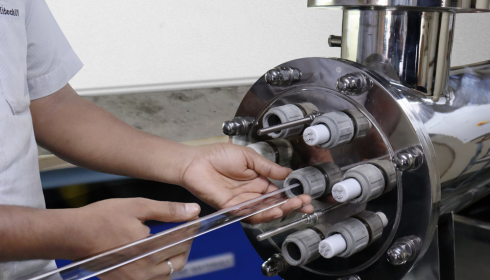
    When you schedule a UV water purifier installation, it doesn’t look like much at first glance. A stainless-steel chamber, a lamp inside, and a small control unit. But that little setup quietly ensures that every drop passing through is free of harmful microbes. It’s silent, chemical-free, and surprisingly low maintenance. For households dealing with well water or rural supply lines, this technology often feels like stepping into the future.


    Beyond Bottles and Pitchers

    The global bottled water industry thrives on the fear of unsafe tap water. And while bottled water may seem convenient, it’s neither sustainable nor always safer. UV purification tackles the root of the issue at the source. Instead of relying on endless deliveries of plastic bottles, people are investing in systems that provide long-term safety at the turn of a faucet.

    A family friend in a small town once told me how their kids constantly suffered stomach upsets during monsoon season. After testing, the culprit was coliform bacteria in their well. Installing UV purification made the illnesses disappear almost overnight. That’s the quiet but powerful impact of technology that works behind the scenes.


    Trusting the Science, Trusting the Brand

    Of course, not all systems are created equal. Choosing a reliable provider matters as much as the technology itself. A trusted solution like Pure Water Source UV disinfection isn’t just about branding—it’s about tested performance, certified parts, and support when you need it. There’s comfort in knowing your purifier isn’t some off-brand gamble you ordered at midnight, but a system backed by expertise.

    Think about it like buying brakes for your car. Sure, you could choose the cheapest, but would you really want to cut corners on something that protects your family? Water is no different. Trusted UV systems aren’t just an appliance purchase; they’re an investment in daily health.


    A Bigger Picture: Businesses and Communities

    We often frame clean water as a household issue, but the stakes grow higher when you look at businesses and community setups. Restaurants, breweries, medical facilities, even schools—every one of them relies on consistent, safe water. A single lapse can damage reputation, disrupt operations, or worse, endanger health.

    This is where commercial UV water disinfection shines. From compact systems for small cafés to large-scale solutions for manufacturing plants, UV units scale beautifully. They don’t add chemicals that might alter recipes or require complex disposal systems. Instead, they deliver compliance with health standards in a way that’s straightforward, reliable, and energy-efficient.

    I once toured a microbrewery where the owner confessed that inconsistent water quality nearly ruined his first few batches of beer. After switching to UV disinfection, the flavor stabilized. For him, the system wasn’t just about safety—it was about artistry, ensuring every pint tasted as intended.


    Myths That Deserve Busting

    Like any technology, UV purification comes with its fair share of myths:

    • “It makes the water radioactive.” Not at all. UV light disinfects in the chamber, and once the water exits, there’s no residual radiation—only safe, clean water.
    • “It’s high-maintenance.” The lamp usually requires replacement only once a year. Compare that to the monthly hassle of replacing filters in other systems.
    • “It removes all contaminants.” Here’s a nuance worth noting: UV disinfection neutralizes microbes but doesn’t filter out heavy metals or chemicals. That’s why it’s often paired with pre-filters for complete protection.

    Being clear about what UV does—and doesn’t—helps people make smarter choices.


    Installation: Easier Than You Think

    Homeowners often worry about complicated plumbing work. Truth be told, installing a UV purifier is simpler than setting up a dishwasher. Professionals usually connect it to the main water line, often alongside a sediment filter to remove particles that might block UV light. The process rarely takes more than a couple of hours.

    More importantly, once it’s set up, you don’t have to babysit it. A small indicator light tells you if the lamp is running, and a simple annual check ensures it’s working at full power. Compared to the hidden costs of bottled water or frequent cartridge swaps, it’s refreshingly low effort.


    The Subtle But Lasting Payoff

    Water is woven into every part of life. We cook with it, bathe in it, brush our teeth with it, water our plants with it. When that water is safe, we don’t think twice. When it isn’t, life becomes a string of small anxieties—checking for odors, worrying about rashes, double-boiling.

    That’s the hidden gift of UV purification: freedom from worry. You don’t get a flashy taste difference or a neon glow in your glass. Instead, you get quiet confidence. And sometimes, that’s the most powerful upgrade of all.


    A Thoughtful Ending

    If you’ve read this far, chances are you care about what flows from your taps. Maybe you’re tired of buying cases of bottled water. Maybe you’re running a business that can’t afford slip-ups. Or maybe you just want your kids to drink without worry.

    UV purification isn’t a fad. It’s a practical, proven way to make water safer without overcomplicating the process. Whether it’s a simple home setup or a large-scale commercial system, it’s technology that adapts, scales, and quietly works in the background while you live your life.

    Water, after all, should be the least of your worries. And with the right purifier in place, it can be.

  • When Your Appliances Deserve More: Finding the Right Service for Luxury Repairs

    When Your Appliances Deserve More: Finding the Right Service for Luxury Repairs

    There’s something oddly comforting about the hum of a refrigerator or the quiet efficiency of a high-end dishwasher. These machines fade into the background of our daily lives, but when they falter, the silence is deafening. If you’ve ever found yourself staring at a lifeless oven or a washer mid-cycle freeze, you know the panic that sets in. And here’s the truth: when it comes to repairing premium appliances, not just any service will do.

    We invest in high-end brands because they promise longevity, performance, and a little luxury in our routines. But even the best machines need attention at some point. The challenge? Finding a repair service that respects your appliances the way you do.


    Why It’s Hard to Trust Just Anyone

    Luxury appliances aren’t like their mass-market cousins. They come with advanced technology, delicate parts, and often require specialized training to service. A quick-fix technician with a one-size-fits-all approach might get your fridge running, but at what cost? Mishandling can lead to recurring problems or even void warranties.

    That’s why people often search for high end appliance repair near me instead of settling for a generic handyman. The difference isn’t just in price—it’s in peace of mind. Choosing a repair team that understands the intricate design of your Sub-Zero fridge or Wolf range means you’re not gambling with an expensive investment.


    The Value of Expertise in Luxury Service

    Think about it like this: you wouldn’t take a Bentley to the corner mechanic who mostly services scooters. The same goes for luxury appliances. Expertise matters. Brands like Miele, Viking, or Thermador design their machines with precision, and a technician who’s trained in those specific systems can spot nuances that others might miss.

    This is where luxury appliance service becomes more than just a repair option—it’s an assurance. Professionals in this niche know how to handle proprietary parts, diagnose issues with brand-specific software, and even maintain aesthetics (no scratches on your sleek black stainless finish). The result isn’t just a fixed appliance—it’s a restored sense of reliability.


    Real Stories, Real Reviews

    Of course, it’s easy for companies to claim they’re “the best” in the business. The real test is hearing from people who’ve trusted them already. Online reviews play a big role here. For instance, many homeowners who’ve relied on Sloan Appliance share candid feedback in sloan appliance reviews, highlighting not just the technical work but also the service experience—communication, punctuality, and professionalism.

    Reading these reviews gives you a sense of consistency. Does the company show up on time? Do they explain the problem in plain language rather than jargon? Do they clean up after themselves? Those details matter, especially when you’re inviting a stranger into your home to work on something valuable.


    The Cost Question: Is It Worth Paying More?

    Let’s be honest: professional luxury repair services aren’t cheap. But here’s the perspective shift—you’re not just paying for the time it takes to swap a part. You’re paying for specialized knowledge, proper tools, and the confidence that your appliance is in safe hands.

    Skipping on expertise might save money upfront but can cost you double later. A botched repair often leads to bigger failures, and suddenly, you’re looking at replacing a $7,000 refrigerator instead of repairing it for a fraction of that cost. So, yes, paying for quality often ends up being the more affordable path in the long run.


    Tips for Choosing the Right Repair Service

    If you’re currently hunting for a trustworthy repair team, here are a few things worth considering:

    • Certification matters. Look for technicians certified by the manufacturer of your appliance.
    • Ask about parts. Do they use genuine parts or aftermarket replacements? Authentic parts usually mean longer-lasting fixes.
    • Check responsiveness. How quickly can they schedule you? A service that makes you wait three weeks while your freezer leaks isn’t exactly ideal.
    • Look at guarantees. A good company will stand behind its repairs with a warranty.

    These small checks can make a huge difference in the experience you’ll have.


    When Service Becomes Part of Ownership

    Owning luxury appliances isn’t just about convenience—it’s about lifestyle. That shiny double-oven, the whisper-quiet dishwasher, or the espresso machine that feels straight out of Milan—they add a touch of elegance to daily routines. Maintaining them should be seen as part of ownership, just like oil changes for a car.

    That’s why people who invest in premium brands also tend to build relationships with service providers they trust. Once you’ve found a reliable technician, they become your go-to, the person you can call when something seems “off.” And that relationship can save you countless headaches.


    A Human Side to Appliance Care

    Behind every service call is a simple human moment. Maybe it’s a parent trying to keep laundry moving for three kids. Or a couple planning dinner when the oven decides to give up. Or someone working from home who depends on that morning coffee ritual.

    Repairs aren’t just about machines—they’re about lives disrupted and restored. That’s why it feels so different when you find a technician who listens, explains, and genuinely cares about solving the issue. It transforms a stressful situation into something manageable.


    Closing Thoughts: Respect the Investment

    Luxury appliances are more than gadgets—they’re integral to how a home feels and functions. When they break down, it’s tempting to go with the quickest or cheapest option. But if you value longevity, performance, and peace of mind, the right service is worth seeking out.

    So the next time your Sub-Zero starts humming oddly, or your Thermador won’t ignite, don’t panic—just remember that there are skilled professionals who specialize in keeping these marvels alive. Finding them might take a bit of research, but the reward is a kitchen (or laundry room) that keeps running smoothly.

    After all, luxury deserves care equal to its promise. And so do you.

  • Why Modern Offices Are Choosing Smarter Water and Ice Solutions

    Why Modern Offices Are Choosing Smarter Water and Ice Solutions

    Walk into any busy office today and you’ll notice something different compared to a decade ago. The break room isn’t just about lukewarm coffee pots and vending machines anymore. There’s a growing emphasis on wellness, convenience, and even a little bit of luxury in the everyday details. One of the clearest examples? The humble water cooler has evolved. What used to be a simple jug of water balanced on a plastic dispenser has turned into sleek, multi-function systems that serve chilled, filtered water — sometimes with sparkling options — and yes, even ice.

    That little shift says a lot about how businesses are rethinking employee comfort, productivity, and sustainability. But as simple as it sounds, the move from a traditional water cooler to something more advanced raises some important questions: What’s really worth the investment? How complicated is installation? And how do these systems fit into the day-to-day rhythm of a workplace? Let’s dig into it.


    The Rise of Smarter Water Systems

    The days of wrestling with heavy five-gallon bottles are thankfully fading away. Many companies are now opting for plumbed-in units that connect directly to a building’s water supply. These systems filter water on demand, cut down on plastic waste, and provide steady access to chilled hydration without the constant hassle of bottle deliveries.

    The move isn’t just about convenience. Employees genuinely notice the difference in taste and accessibility. And when a company invests in better hydration, it quietly signals that it values the health and comfort of its people. That subtle morale boost can go a long way.


    Installation Doesn’t Have to Be Intimidating

    One hesitation businesses often have is the fear of complicated setups. In reality, many modern systems are designed for smooth integration. A great example is the WL Ice 900 installation, which doesn’t require major renovation work but still delivers the kind of premium ice-and-water experience that feels like a serious upgrade.

    Typically, installation involves connecting the unit to an existing water line, ensuring proper drainage, and checking filtration systems. Professional technicians can usually complete the process in just a couple of hours, minimizing disruption to the office. For businesses that worry about downtime, that’s a big relief.


    Why Businesses Care About Water Service Contracts

    Upgrading to advanced hydration systems isn’t just about buying a fancy appliance. The long-term value lies in the service agreements that keep these units running efficiently. Regular filter changes, sanitization, and preventive checks mean you don’t have to think twice about water quality or machine reliability.

    That’s where a good business water dispenser service steps in. Instead of burdening internal staff with maintenance, companies outsource the responsibility to specialists who make sure everything works flawlessly. For managers, this peace of mind is worth its weight in gold. No one wants to field complaints about broken machines or odd-tasting water.


    A Small Luxury That Feels Bigger Than It Is

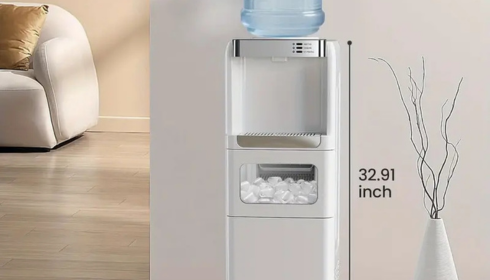
    It’s easy to underestimate how much something as small as ice availability can improve daily office life. Imagine the midday slump, where someone wants a refreshing drink instead of another coffee. Having an office water cooler with ice maker nearby feels like a tiny perk, but those small perks build a culture where employees feel taken care of.

    Beyond the human side, there’s also a practical angle. Hosting clients in a boardroom? Offering cold water over room-temperature tap instantly elevates the experience. Little details like that subtly shape impressions of professionalism.


    Cost vs. Value: Is It Worth It?

    Naturally, decision-makers have to weigh costs. Advanced systems are more expensive than basic coolers, both in upfront purchase and ongoing service. But when you break it down, the numbers often make sense.

    Think about the savings on bottled water delivery, the reduced plastic waste (and the eco-friendly image that goes with it), the improved employee satisfaction, and the professional polish during meetings. When viewed as a package, the investment feels less like a splurge and more like a smart workplace improvement.


    The Environmental Angle

    Sustainability isn’t just a buzzword anymore — it’s often part of a company’s stated values. Ditching bottled water delivery in favour of plumbed-in systems reduces plastic use, lowers carbon emissions from transport, and sends a clear signal to both employees and clients. It’s one of those rare cases where the eco-friendly option is also the more convenient one.


    What Employees Actually Think

    Here’s the interesting part: once a modern system is installed, employees rarely want to go back. Surveys show that workers notice and appreciate clean, filtered water and easy ice access. It’s one of those quiet benefits that boosts daily satisfaction without needing constant reminders. And in today’s competitive job market, every edge in employee experience matters.


    How to Decide What’s Right for Your Office

    Not every business needs the fanciest setup. Some may only require chilled water. Others — especially larger offices or those that entertain clients frequently — benefit more from multi-function units that provide both sparkling options and ice.

    The key is to assess usage:

    • How many employees are in the office daily?
    • Do you host client meetings where presentation matters?
    • Are sustainability goals part of your corporate strategy?

    Answering these questions makes the decision a lot clearer.


    Looking Ahead: The Future of Office Hydration

    We’ve come a long way from the iconic “water cooler chat” moments of the past. Today’s water and ice systems are as much about technology and wellness as they are about basic hydration. Expect to see even more innovation in the years ahead — smart units that track usage, energy-efficient systems that reduce power consumption, and designs that blend seamlessly into modern office aesthetics.


    Final Thoughts

    At first glance, upgrading to a smarter water and ice system might feel like a minor detail. But in practice, it represents something bigger: a commitment to employee well-being, a nod to sustainability, and a touch of professionalism that clients notice.

    Whether you’re considering a straightforward filter system or leaning towards something more advanced, like a unit that handles ice production too, the benefits often outweigh the costs. Clean, refreshing water is something everyone deserves, and when the delivery of that basic necessity is done well, it elevates the workplace in ways that are both subtle and meaningful.

    So the next time you sip a perfectly chilled glass of water with a couple of crisp ice cubes, remember — it’s more than just a drink. It’s a quiet reflection of how workplaces are evolving, one thoughtful upgrade at a time.

  • Wrapping Your Brand in Style: Why Vehicle Graphics Are More Than Just Advertising

    Wrapping Your Brand in Style: Why Vehicle Graphics Are More Than Just Advertising

    If you’ve ever been stuck in traffic and found yourself staring at a car wrapped in bright colors, bold fonts, or even a full mural-like design, you already know the silent power of vehicle wraps. They don’t shout like radio ads or pop up annoyingly like online banners. Instead, they sit right in front of you, rolling through the streets, impossible to ignore. And in that quiet, visual way, they do something advertising rarely achieves—they spark curiosity.

    In today’s noisy marketing world, brands crave something that makes them stand out without draining the budget. Vehicle graphics have become that sweet spot where creativity meets practicality. Whether it’s a local coffee shop, a delivery service, or a corporate fleet, wrapping vehicles has become less of a gimmick and more of a smart branding move.


    The Subtle Magic of Visual Branding

    We live in a visual-first culture. Think about it: when you scroll on social media, what makes you stop? A block of text? Hardly. It’s the bold, striking image that pulls you in. The same principle applies on the road. When a car pulls up beside you, decked out in unique visuals, your eyes naturally follow.

    This is why many small and large businesses alike have leaned into services like TG Wraps vehicle graphics—because they offer a way to take everyday commutes and turn them into rolling billboards. But it’s not just about slapping a logo on the door. Done right, wraps can carry a personality, a message, even a story. And those are the things that stick with people.


    Why It’s More Than Advertising

    One of the misconceptions about car wraps is that they’re just another marketing expense, like flyers or a boosted Facebook ad. But that’s underselling their role. A wrap doesn’t just advertise—it transforms.

    Take a simple sedan, maybe one you’d pass without a second glance. With a well-thought-out wrap, that same car becomes a moving statement. It tells the world, “Hey, this brand is bold, professional, and worth your attention.” And it does this passively, day after day, without monthly ad spend or renewal fees.

    There’s also an intangible factor: trust. Customers often see wrapped vehicles as more legitimate, more reliable. Think of the difference between a plain white van pulling up to your house versus one that clearly represents a known business. One makes you hesitate, the other makes you feel safe.


    Designing a Wrap That Works

    Here’s the catch: not every wrap hits the mark. A good wrap isn’t about stuffing every inch with text or overwhelming designs. It’s about balance—catching attention without confusing the viewer.

    Professional car wrap design services focus on this balance. They understand that drivers only have seconds to absorb what they’re seeing. Too much information and the message is lost. Too little, and it feels unfinished. That’s where the artistry comes in. A smart designer knows how to use color, typography, and placement so that a wrap communicates clearly even at 40 miles per hour.

    And let’s be honest, a badly designed wrap can actually do damage. If your branding looks sloppy or cluttered on the road, that’s the impression people will carry about your business. So while DIY is tempting, this is one area where expertise pays off.


    The Durability Factor

    Aside from the obvious branding perks, wraps bring a practical advantage: protection. The vinyl acts like a shield, guarding the car’s paint from scratches, sun fading, and minor dings. For businesses with fleets, this matters. Cars stay in better condition for longer, which helps resale value later down the line.

    Some people even wrap their personal cars purely for this reason. Instead of repainting every few years, they switch wraps when they want a new look. It’s like changing your wardrobe without buying a whole new closet.


    Everyday Advertising Without Trying

    The genius of vehicle wraps lies in their subtle persistence. Unlike digital ads that vanish after a scroll or TV ads that people mute, wraps live in the real world. They’re part of the landscape—parking lots, highways, neighborhoods. People see them naturally, without feeling sold to.

    For local businesses, this is gold. Imagine a pizza shop that wraps its delivery cars. Every neighborhood they drive through becomes a mini billboard campaign. Same with real estate agents, plumbers, or cleaning companies. People start recognizing the brand, not because they clicked an ad, but because they’ve seen it around—over and over again.

    This is the true beauty of professional vehicle wrap services. They’re not intrusive, but they’re unforgettable.


    Are Wraps Right for Everyone?

    Of course, like anything, wraps aren’t a one-size-fits-all solution. For some businesses, digital ads might deliver faster results. For others, radio or local billboards make sense. But wraps tend to work best for those who rely on visibility within their community.

    Think service providers, delivery companies, or brands that want to cement themselves in a specific city. If you’re running an online-only brand with no physical presence, a wrap probably won’t move the needle much. But if you’re someone who interacts directly with customers in the real world, it can be a game-changer.


    Beyond Business: The Personal Touch

    It’s worth mentioning that not all wraps are about business. Some people wrap their cars purely for self-expression. Want a matte black finish without spending thousands on a paint job? Wrap it. Want flames on the side just because? Wrap it.

    Car culture has always been about individuality, and wraps make that accessible. They let people switch looks without the permanence of paint. It’s personalization, but with flexibility.


    The Bottom Line

    At the end of the day, vehicle wraps are about visibility, trust, and creativity. They’re not the cheapest option upfront, but they often outlast traditional ad campaigns in terms of value. A single wrap can work for years, generating thousands of impressions without any ongoing cost.

    And perhaps most importantly—they make you memorable. In a world where consumers are bombarded with messages every second, being the brand they actually remember is priceless.

    So whether you’re a small business owner looking to stand out in your city, a company managing a fleet, or even an individual wanting to express some style, wraps offer a unique solution that sits right at the crossroads of function and art.

    Because sometimes, the best way to move your brand forward is quite literally to put it on the road.

  • The Hidden Value of Testing Your Home’s Water Supply in Texas

    The Hidden Value of Testing Your Home’s Water Supply in Texas

    If you’ve ever poured yourself a glass of tap water and paused, wondering what’s really in it, you’re not alone. Across Texas, homeowners are realizing that water quality isn’t just about taste—it’s about health, plumbing safety, and even peace of mind. The truth is, we don’t often think about water beyond turning on the faucet. But the stuff running through those pipes shapes so many parts of daily life: the coffee in your mug, the soup simmering on the stove, the shower that either feels refreshing or leaves you itchy.

    Water testing, though, doesn’t always get the spotlight it deserves. It’s not as flashy as a new kitchen remodel or as urgent as a leaking roof, but it quietly carries a bigger weight than most of us imagine.


    Why Texans Need to Care About What’s in Their Water

    Texas is big, and so is the variety in its water quality. In one county, families might deal with hard water that chews through dishwashers. A few towns over, the concern might be nitrates from agricultural runoff or lingering chlorine from municipal systems. These differences matter because your water isn’t just “water”—it’s a complex mix influenced by the land, the pipes, and the systems feeding it into your home.

    That’s why TX Water Treatment water testing has become more than a checklist service. It’s a way to peel back the mystery and get clear answers. What you learn could be surprising—sometimes it’s harmless minerals, sometimes it’s contaminants you’d never expect. But either way, knowledge gives you the power to protect your family and make smart choices about filtration or treatment systems.


    Everyday Signs That You Might Need Testing

    Not everyone books a test because of alarming news headlines. For many households, the clues are subtle:

    • Water that smells faintly of rotten eggs.
    • Stubborn soap scum that laughs at your cleaning products.
    • A metallic taste when you fill up a glass.
    • Dry hair and itchy skin that never quite seem to improve.

    These aren’t just annoyances. They can be signals of larger issues—from excess sulfur to heavy metals—that testing can confirm. And even if your water looks and tastes fine, that doesn’t always mean it’s clean. Some contaminants, like lead or arsenic, are invisible and tasteless.


    The Rise of Local, On-Demand Services

    One of the best things about living in Texas today is the range of services at your fingertips. A quick search for a home water testing service near me brings up professionals who can visit your home, collect samples, and deliver results faster than you might expect. For busy families, that convenience means no guessing, no mailing off samples yourself, no wondering if you did it right.

    Local services are especially helpful because water quality isn’t the same across the state. A pro working in Austin will know the typical municipal concerns there, while someone in West Texas might be more familiar with rural well water issues. That local know-how makes a difference when it comes time to interpret the results.


    The Science Behind Testing

    It’s not just dipping a strip in a glass of water, though that’s a start. Professional testing involves checking for a wide range of factors: pH balance, hardness levels, bacterial contamination, heavy metals, and even volatile organic compounds. Some tests go deeper, tracking nitrates or fluoride.

    Think of it like a blood test for your home. A doctor wouldn’t rely on a quick glance to declare you healthy, and neither should you rely on assumptions about your water. With lab-grade testing, you get a breakdown that’s hard to argue with—numbers, charts, and specific recommendations that tie directly into treatment solutions.


    Why DIY Kits Aren’t Always Enough

    Sure, you can grab a water test kit at a hardware store, and it’ll give you some idea of what’s happening. But the catch? They’re often limited in scope, and interpreting the results can be tricky. One color shade looks like another, and suddenly you’re left guessing whether that faint orange means “safe” or “call an expert now.”

    That’s where professional water testing Texas comes in. The difference lies in precision and interpretation. A certified technician doesn’t just tell you what’s in your water; they explain what it means and how it compares to safety standards. That guidance saves you from both underreacting to real risks and overspending on unnecessary solutions.


    Long-Term Benefits You Don’t Always See

    Water testing isn’t a one-and-done deal. The ground shifts, pipes age, city treatment plants adjust their formulas—your water today may not look like your water next year. Keeping tabs on changes can protect you from slow-creeping issues that might otherwise go unnoticed.

    There’s also the financial angle. Hard water, for example, doesn’t just dry out your skin—it shortens the life of appliances like dishwashers and water heaters. Catching that early through testing and installing a softener can save hundreds, if not thousands, over the years.

    And let’s not forget the peace of mind. Knowing your kids’ drinking water is safe takes one big “what if” off your plate as a parent. That’s hard to put a price on.


    Stories That Hit Close to Home

    I recently spoke with a family in Houston who thought their constant plumbing repairs were just bad luck. After finally booking a professional test, they discovered sky-high levels of hardness. Once they installed a system to address it, their repair bills practically vanished.

    Another case in a rural Texas town involved a couple using well water. They had no visible issues but decided to test after hearing neighbors mention nitrates. Sure enough, their results showed levels above recommended limits. With treatment in place, they avoided what could have turned into a serious health problem.

    These aren’t rare stories—they’re everyday examples of how testing uncovers truths hiding in plain sight.


    Wrapping It All Up

    Water is something we take for granted until it becomes a problem. But the good news is that we don’t have to wait for disaster to strike. Testing offers clarity, safety, and even financial benefits, all while making everyday life a little easier.

    So whether you’re sipping coffee in Dallas, filling a bathtub in San Antonio, or running a farm in Lubbock, think of water testing as a quiet investment in your future. It’s not about being paranoid—it’s about being prepared.

    And the next time you pour that glass of water, wouldn’t it be nice to know exactly what’s in it?