There’s a strange kind of trust we place in water. We turn on the tap, fill a glass, and drink—without much thought. It’s been that way forever. Water is supposed to be simple.
But every now and then, something feels a little off. Maybe it’s the taste, maybe it’s how it leaves marks behind on utensils, or how your tea just doesn’t taste the same anymore. Nothing dramatic. Just enough to make you pause.
And that pause? It’s usually where curiosity begins.
The Invisible Side of Water
Water isn’t just H₂O. Not in real life, anyway.
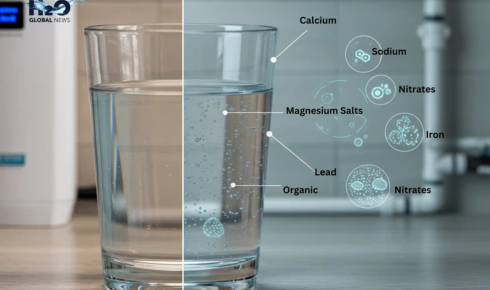
It carries minerals, salts, trace elements—some beneficial, some not so much. And most of the time, you won’t see any of it. That’s what makes it tricky. Clear water can still contain a surprising amount of dissolved material.
This is where the concept of total dissolved solids in water comes into play. It’s essentially a measure of everything that’s dissolved in your water—calcium, magnesium, sodium, even small traces of metals.
Now, having dissolved solids isn’t automatically a bad thing. In fact, some minerals actually improve taste. But when levels get too high—or too low—it can start to affect how water behaves and how it feels to use.
Why Numbers Start to Matter
At some point, curiosity turns into action. You start wondering if there’s a way to actually measure what’s going on instead of just guessing.
That’s where tds measurement becomes useful. It gives you a numerical value that represents the concentration of dissolved substances in your water.
And while it might sound technical, it’s surprisingly accessible. There are simple handheld meters that can give you a reading in seconds.
What’s interesting is how people react to those numbers. Some expect them to be high and are surprised when they’re not. Others assume everything is fine and get a bit of a shock.
But the number itself isn’t the whole story. It’s more like a clue—something that helps you understand what direction to look in next.
When “Good Enough” Isn’t Enough
We often settle for “good enough” when it comes to water. If it’s not causing obvious problems, we let it be.
But here’s the thing—water quality isn’t just about avoiding issues. It’s about creating a better baseline for everyday life.
Better water can mean better-tasting food, smoother coffee, cleaner dishes, and even longer-lasting appliances. It’s not always about fixing something broken. Sometimes, it’s about improving something that’s just okay.
And once you notice the difference, it’s hard to ignore.
High TDS vs Low TDS: It’s Not Black and White
There’s a common misconception that lower TDS is always better. But that’s not entirely true.
Water with extremely low TDS—like distilled water—can taste flat, almost empty. On the other hand, very high TDS levels can make water taste heavy or even slightly bitter.
The goal isn’t to hit zero. It’s to find a balance.
Different regions naturally have different TDS levels. Groundwater tends to have higher concentrations, while treated municipal water might fall somewhere in the middle.
Understanding your local water profile helps you make better decisions about filtration or treatment—if any is needed at all.
The Subtle Signs You Might Be Overlooking
Sometimes, the signs of high or imbalanced TDS are easy to miss.
You might notice scale buildup on faucets. Or that your kettle needs cleaning more often than it should. Maybe your skin feels a bit dry after showers, even though you’ve changed soaps more than once.
None of these scream “water issue” on their own. But together, they start to form a pattern.
It’s like background noise—you don’t notice it until it stops.
Do You Actually Need to Fix It?
This is where things get practical.
Not every TDS issue requires action. If your water falls within a reasonable range and doesn’t cause noticeable problems, you might not need to do anything at all.
But if levels are high—or if the taste, buildup, or feel of the water bothers you—there are options. Filtration systems, softeners, reverse osmosis units… each addresses different aspects of water quality.
The key is knowing what you’re trying to fix before jumping into solutions.
A Quick Reality Check
It’s easy to fall into the trap of overanalyzing water. Numbers, charts, comparisons—it can become a bit overwhelming.
But at the end of the day, water is part of your daily routine. It should feel easy, not complicated.
Testing and understanding your water is helpful, yes. But it’s not about chasing perfection. It’s about making small, informed adjustments that improve your everyday experience.
Living With Better Awareness
What changes once you start paying attention to your water?
Not everything. Life doesn’t suddenly revolve around TDS levels or filtration systems.
But there’s a quiet shift. You become more aware. More intentional.
You might drink more water because it tastes better. You might rely less on bottled options. You might even start noticing differences when you’re away from home.
And those small shifts? They tend to stick.
A Thought to Leave You With
Water is one of those things that feels constant—unchanging, reliable. But in reality, it varies more than we realize.
Taking a closer look at it doesn’t mean you’re overthinking. It just means you’re paying attention.
And sometimes, paying attention is all it takes to turn something ordinary into something just a little bit better.