There’s something about a kitchen that makes it the center of everything. It’s not just where meals happen—it’s where conversations drift, where late-night snacks turn into long thoughts, where mornings begin whether you’re ready or not.
And oddly enough, it’s also where you start noticing the little inefficiencies. Waiting for water to boil. Tossing food scraps and wondering if you should or shouldn’t. Filling bottles from the tap and thinking… is this really clean enough?
These are small things, sure. But they add up.
When Clean Water Becomes a Daily Thought
Most people don’t question their water much—until they do. Maybe it’s a slight taste, or a lingering doubt after reading something online. Or maybe it’s just curiosity.
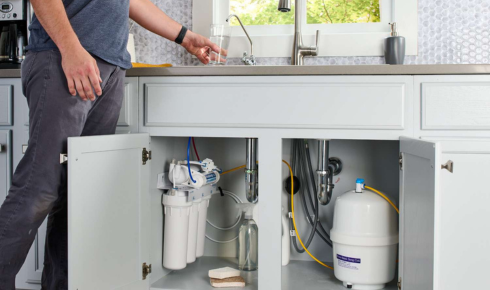
That’s often when people start looking into reverse osmosis systems. And no, it’s not just a fancy upgrade—it’s more like a quiet shift in how you think about what you’re drinking.
These systems filter out impurities at a deeper level, removing things you can’t see but might not want in your water. The difference isn’t always dramatic, but it’s noticeable. The taste feels cleaner. Lighter, somehow.
It’s one of those changes that doesn’t shout for attention, but once you get used to it, going back feels… off.
The Little Frustration of Waiting
Here’s a simple scenario: you need hot water. Not warm, not lukewarm—properly hot. Maybe for tea, maybe for cooking. So you turn on the stove, fill a kettle, and wait.
It’s not a big deal, right?
Except when you’re in a hurry. Or when you’re doing it multiple times a day. That’s when the waiting starts to feel unnecessary.
That’s where insta-hots come in. Instant hot water systems that give you near-boiling water straight from the tap. No waiting, no planning ahead.
It sounds like a luxury—and in some ways, it is. But it’s also incredibly practical. Once you have it, you realize how often you needed it before.
Dealing with Food Waste the Smarter Way
Let’s talk about something less glamorous—kitchen waste.
Food scraps pile up faster than you expect. Vegetable peels, leftovers, bits and pieces that don’t quite belong in the bin but don’t have another place either. And let’s be honest, they can get messy.
That’s why many households turn to garbage disposals. It’s a simple concept—grind food waste and send it through the plumbing system. But the impact is bigger than it sounds.
Less smell, less clutter, fewer trips to take out the trash. It’s one of those practical upgrades that quietly improves your day without asking for much in return.
Of course, it’s not about dumping everything down the drain. There’s a balance. But used correctly, it makes kitchen cleanup feel a little less like a chore.
Why These Small Changes Matter More Than You Think
None of these upgrades are essential. You can live without them. People have for years.
But that’s not really the point.
The point is how they change your experience. How they remove small frustrations, improve convenience, and make everyday tasks feel smoother. It’s not about dramatic transformation—it’s about subtle improvement.
And those subtle changes? They tend to stick.
The Role of Habit in How We Use Our Kitchens
What’s interesting is how quickly we adapt. Introduce a new system, and within a few days, it becomes part of your routine.
You stop thinking about it. You just use it.
That’s when you know something works well—not when it impresses you at first, but when it blends into your daily life without effort. When it feels like it’s always been there.
Knowing What’s Worth It (and What Isn’t)
Not every upgrade makes sense for every home. Space, budget, lifestyle—all of these play a role.
Some people prioritize water quality. Others care more about convenience. Some just want to make cleanup easier. There’s no universal answer.
The key is understanding what actually matters to you. Not what looks good in a catalog, but what will make your daily routine easier.
Because at the end of the day, that’s what these systems are about—making life just a little more comfortable.
A Quick Word on Installation and Maintenance
It’s tempting to think of these upgrades as one-time decisions. Install it, forget it, move on.
But like anything in your home, they need a bit of attention. Filters need changing. Systems need checking. Small issues need addressing before they grow.
It’s not a lot of work—but it’s enough to keep things running smoothly.
And honestly, it’s worth it.
Final Thoughts: The Comfort of Things Working Quietly
There’s a kind of satisfaction in a kitchen that works well. Not flashy, not overly modern—just efficient, reliable, easy to use.
Water that tastes right. Heat when you need it. Waste handled without hassle.
These aren’t big, dramatic changes. But they shape your everyday experience in ways you don’t always notice—until they’re gone.
So if you’re thinking about improving your kitchen, maybe don’t start with the obvious things. Look at the small ones. The quiet upgrades. The ones that make life easier without making a fuss.
Because sometimes, it’s the smallest changes that make a home feel the most complete.