Let’s face it—water’s supposed to be simple. Clear, clean, tasteless. You turn on the tap, fill your glass, and forget about it. But throw a water softener into the mix, and suddenly something that used to feel easy now sparks a million questions.
Maybe the water feels a bit silkier, almost slippery. Or your coffee tastes slightly different. Maybe your neighbor tells you not to drink it, while your plumber insists it’s fine. So now you’re stuck wondering: is softened water okay to drink? Or should you be hauling bottled jugs from the grocery store every week?
Let’s break it down—real talk, no fear-mongering, no jargon overload. Just a human look at whether your glass of softened water is a friend or a foe.
First, What Even Is Softened Water?
Good question. In short, softened water is water that’s had its calcium and magnesium removed—the minerals responsible for what we call “hard water.” These minerals aren’t harmful to your body, but they are brutal on plumbing, appliances, and even your skin and hair. Think of all those white crusty rings on your faucets, or how your soap doesn’t lather well—that’s hard water being annoying.
Water softeners usually work through a process called ion exchange, where calcium and magnesium ions are swapped out for sodium or potassium ions. The result is “soft” water that doesn’t leave behind that chalky residue and helps your soap work better.
Sounds good, right? But then comes the big question…
So, Can You Drink It?
Short answer? Yes—drinking softened water is generally considered safe for the vast majority of people.
The long answer? It depends. Not all softened water is created equal. The amount of sodium added during the softening process depends on how hard your water is to begin with. In areas with extremely hard water, more sodium is used. But even then, the amount added is pretty minimal—usually far less than what you’d find in common foods like bread, soup, or even a glass of milk.
To put it in perspective, an 8-ounce glass of softened water might contain around 20–30 mg of sodium. That’s less than a slice of white bread. So for most healthy adults, the sodium in softened water is a non-issue.
What If You’re on a Low-Sodium Diet?
Here’s where things get a bit more personal. If your doctor has you watching your salt intake due to high blood pressure, kidney issues, or heart disease, it’s a smart move to ask questions. But even then, drinking a few glasses of softened water a day isn’t likely to blow your sodium budget.
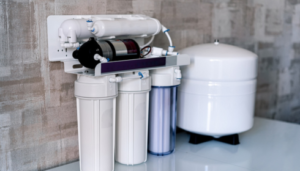
Still, if you’re being extra careful, you’ve got options. You can bypass your drinking water line so the kitchen tap pulls from unsoftened water. Or better yet, install a reverse osmosis (RO) filter under the sink—it’ll remove sodium and other impurities too.
It’s a small tweak, but it keeps you covered without giving up the benefits of soft water throughout the rest of your home.
What About Pets and Babies?
Another concern that floats around is whether you can drink water softener water if you’re a baby or a furry four-legged friend. For the most part, yes—most pets are perfectly fine drinking softened water, especially if they’ve been doing so for a while without any issues. Same goes for kids.
That said, for infants on formula, pediatricians often recommend using filtered or distilled water—not because softened water is harmful, but to control mineral levels more precisely. As always, a quick check with your vet or pediatrician can’t hurt, but you don’t need to panic.
Does It Taste Different?
Some folks say yes, others say no. Taste is subjective, and soft water can feel different on the tongue. Some describe it as smoother or slightly salty (especially in very hard water areas), while others don’t notice a thing.
If you’re sensitive to taste or just don’t love the feel of soft water, that under-sink RO system is your best friend. It gives you crisp, clean, great-tasting water—without undoing the benefits of soft water in your showers and laundry.
Why Bother Softening At All?
If softened water causes all this back-and-forth, why not skip it?
Because the upside is huge. Soft water protects your pipes from scale buildup. It extends the life of your appliances. It makes soap, shampoo, and detergent actually work. It can even save you money by reducing energy bills and keeping you from replacing your hot water heater every few years.
And the difference you’ll feel—softer skin, smoother hair, cleaner dishes—makes the whole thing worthwhile.
The Bottom Line: Should You Drink It?
If you’re healthy and your softener is working as it should, drinking a few glasses of softened water a day is no big deal. Really. If you’ve got a health condition or you just prefer the taste of filtered water, you’ve got plenty of options that don’t require ditching the softener altogether.
In other words, can you drink water softener water? Yes, in most cases, it’s totally safe. And if you’re still unsure, installing a small drinking water filter is a low-cost solution that gives you peace of mind with zero compromise.
Final Sip: It’s Your Water, Own It
Here’s the deal—there’s no one-size-fits-all answer when it comes to water. Your health, your taste preferences, your local water supply—it all plays a role. But one thing’s for sure: softened water isn’t some mysterious, shady liquid you need to fear.