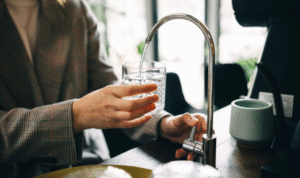
It starts with a simple question: what’s really in your water? We fill up our glasses from the tap, trust the filtered jug in the fridge, or maybe glance at the sparkling bottled water on our desks without giving it much thought. But the truth? Water — the stuff we drink, cook with, and bathe in — carries stories. And not all of them are good.
If you’ve ever wondered whether your water is truly clean, you’re not alone. From invisible contaminants to funky smells, the quest for clarity (both literal and metaphorical) often begins with one step: testing.
It’s Not Just Water, It’s What’s In It
Let’s face it — “clear” doesn’t always mean clean. Water might look fine, but that doesn’t mean it’s free from things like chlorine, lead, bacteria, nitrates, or even pesticides. These things sneak in through old pipes, agricultural runoff, or simply because the local treatment system isn’t cutting it.
Some folks only think of testing when something goes wrong — odd taste, rust-colored stains on the tub, or that unmistakable rotten egg smell. But honestly, it’s smart to check your water even before problems pop up. It’s a bit like going for a health checkup — preventative, not just reactive.
Where Do You Even Start?
You could grab a home test kit, sure. They’re handy, inexpensive, and good for a rough overview. But if you’re looking for detailed results that you can actually trust (you know, something you wouldn’t mind sharing with a plumber or your local health board), then it’s time to look up a water laboratory near me. These certified labs don’t just do basic checks — they run your samples through professional-grade analysis for metals, microbes, and chemical compounds you’ve probably never heard of but wouldn’t want in your tea.
What a Professional Water Laboratory Actually Does
Picture this: You collect a small bottle of water (they’ll give you clear instructions), label it, send it in, and within a few days — bam — you’ve got a report. Sounds simple, right? And in many ways, it is. But what happens inside that lab is anything but basic.
A water laboratory is essentially a science playground equipped with high-tech tools like spectrophotometers and chromatography machines (don’t worry, no quiz at the end). These machines detect substances down to parts per billion. That means if there’s even a trace of arsenic or bacteria, they’ll know. And so will you.
Better yet, many labs help interpret your results — so you’re not just staring at a bunch of numbers wondering what to panic about.
So… My Water Isn’t Perfect. Now What?
Welcome to the club. Very few people — even those on municipal supplies — have water that’s perfectly balanced. But knowing your water’s “health” helps you take the right steps.
Maybe you’re dealing with hardness (hello, chalky dishes). Maybe it’s chlorine, or sediment. Or maybe there’s something more serious like lead or microbial contamination. Whatever the case, there’s usually a fix — and it doesn’t have to be extreme or crazy expensive.
Purifiers, Filters, and a Breath of Fresh… Water?
Once you’ve got your test results, the fun part begins: purification. There are systems for nearly everything — under-the-sink filters, whole-house systems, UV sterilizers. But one name that keeps showing up in clean-home conversations lately? aerus pure and clean.
Aerus isn’t your average air-and-water company. They’ve taken purification tech to the next level — think NASA-inspired ActivePure® Technology — offering solutions that handle both air and water concerns. The “Pure & Clean” system in particular is catching eyes because it’s not just about removing contaminants, it’s about creating a cleaner, healthier home ecosystem altogether.
For folks who want peace of mind without diving into the weeds of water science, brands like Aerus bridge that gap — combining sleek design, smart functionality, and solid purification without the over-complication.
You Deserve Better Than “Probably Safe”
“Probably safe” just doesn’t cut it anymore — not with the rise of PFAS chemicals in groundwater, aging infrastructure in cities, and the number of boil-water advisories that seem to pop up every week.
But here’s the good news: testing your water isn’t scary, and neither is fixing what you find. It starts with being curious, then calling in the right help. Whether you’re grabbing a test kit from your local hardware store, googling “water laboratory near me”, or booking a professional consultation — the first step is yours.
And it’s a good one.
A Note on Rural Wells and Off-Grid Water
If you rely on well water, testing becomes even more important. Unlike city water, which is regularly monitored, private wells are your responsibility. That means checking for bacteria, nitrates, and even radon (depending on your region). Most experts recommend testing once a year — more if you’ve had recent construction, flooding, or nearby chemical use.
The Whole House Approach
Maybe you’ve tested your water and decided to go all in — not just a pitcher filter, but something that tackles the entire home. In that case, whole-house filtration systems make a lot of sense.
They connect right at the point your water enters the home, meaning every faucet — shower, kitchen, laundry — gets treated. From softened water that’s kinder to skin and clothes, to clean drinking water straight from the tap, these systems are a game-changer. And yes, they pair beautifully with add-ons like Aerus systems or under-sink filters for the obsessive perfectionist (no shame here).
Final Sip: The Water We Trust
Here’s the thing — water is foundational. It’s not just about hydration; it’s about trust, health, and quality of life. And while we may not always see what’s flowing through those pipes, we can take control of it.
So next time you take a sip, pause and think: Do I really know what’s in here?
If the answer’s no — or even a hesitant maybe — then take the step. Test. Learn. Act. Your future self (and your morning coffee) will thank you.