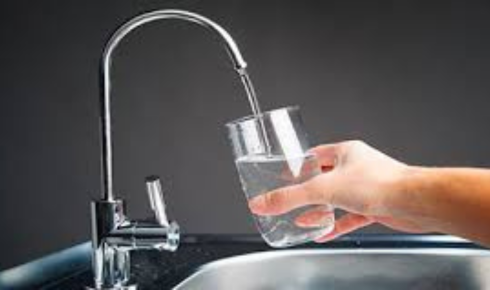
Most of us live with our water rather than think about it. We turn on the tap, fill a glass, rinse a plate, step into the shower—done. Water is supposed to be invisible, dependable, unremarkable. And for a long time, it is. Until one day it isn’t.
Maybe the coffee tastes different at home than it does elsewhere. Maybe your skin feels dry no matter what soap you use. Maybe you’ve replaced a water heater sooner than expected and quietly wondered why. These moments don’t feel urgent, but they do plant a seed. Something might be going on here.
When curiosity replaces assumption
What’s interesting is how long people tolerate uncertainty about their water. We’ll research phones for weeks, read reviews before buying a toaster, but drink the same water for years without asking a single question. It’s not neglect—it’s trust. Water feels fundamental, like air.
Eventually though, curiosity wins. That’s often when someone stumbles across the idea of a free water test, not because they suspect disaster, but because they want clarity. A baseline. A way to replace “maybe” with actual information.
And that’s usually the turning point.
Seeing the invisible for the first time
Water problems rarely announce themselves. There’s no warning light on your faucet. Most issues don’t smell or taste dramatic. That’s why proper water quality testing feels almost like lifting a curtain. Suddenly, the things you couldn’t see—or didn’t know how to interpret—start to make sense.
Minerals explain the scale. pH explains the metallic taste. Sediment explains the cloudy ice cubes. It’s not about labeling water as “good” or “bad.” It’s about understanding its personality and how it behaves in your home.
Once you know, you can stop guessing.
Why testing feels surprisingly personal
People often expect water testing to feel clinical or technical. But it tends to feel personal instead. This is the water you drink every day. The water your kids brush their teeth with. The water that runs through appliances you paid good money for.
Seeing results can trigger relief, concern, or sometimes both. But mostly, it triggers control. You’re no longer reacting to symptoms—you’re responding to facts. That shift alone changes how homeowners think about their space.
Water stops being a mystery and starts being part of the conversation.
Not every result means you need everything
One of the biggest myths about water improvement is that testing leads straight to expensive upgrades. In reality, many people discover their water is mostly fine, with one or two quirks. Maybe it’s hardness. Maybe it’s taste. Maybe it’s something that only affects drinking water.
Good testing doesn’t push you toward extremes. It narrows your focus. It helps you choose solutions that match your actual needs, not someone else’s marketing brochure.
Sometimes the best outcome is simply peace of mind.
Taste, trust, and daily habits
Taste is often where change becomes noticeable. You might not think much about your tap water until you taste better water elsewhere. Then suddenly, you can’t un-taste the difference.
That’s why systems like reverse osmosis tend to come up in conversations about drinking water. Not because people want complexity, but because they want consistency. They want water that tastes the same every day, no matter what’s happening upstream or underground.
When water tastes clean and neutral, habits shift naturally. People drink more of it. Bottled water purchases quietly disappear. Coffee improves without changing beans. It’s subtle, but it sticks.
Treatment as a quiet upgrade, not a lifestyle overhaul
The best water solutions don’t ask you to change your life. They fit into it. They work quietly, without reminders or constant maintenance anxiety. Once installed, they fade into the background.
This matters more than people admit. No one wants another thing to manage. Homeowners stick with systems that respect their time and attention, systems that solve problems without becoming one.
When water treatment feels effortless, it actually lasts.
The ripple effect on the home
Improved water doesn’t just affect what you drink. It changes how the whole house functions. Appliances run more efficiently. Fixtures stay cleaner longer. Soap works the way it’s supposed to.
Even chores feel different. Less scrubbing. Less rewashing. Less replacing things that “should’ve lasted longer.” These savings don’t always show up as a single dramatic number, but over time, they’re very real.
And they start with understanding, not guesswork.
Why “later” often costs more
Many homeowners delay testing because nothing feels urgent. And that’s understandable. Water issues are rarely emergencies. But they are accumulative. Scale builds slowly. Wear happens quietly. Taste degrades gradually.
Testing earlier doesn’t mean acting immediately. It means staying ahead. It means catching trends before they become problems and making informed choices instead of rushed ones.
In that sense, testing is less about fixing something and more about timing.
Confidence changes how a home feels
There’s an emotional side to water quality that doesn’t get talked about much. Confidence. Knowing what’s in your water, why it behaves the way it does, and how you’ve chosen to handle it creates a calm that’s hard to quantify.
You stop wondering. You stop compensating. You stop buying temporary fixes that don’t really solve anything. Water becomes boring again, and that’s exactly what you want.
A thoughtful ending, on purpose
Good water doesn’t demand attention. It supports life quietly, consistently, without drama. Getting there isn’t about fear or perfection—it’s about awareness.
When you choose to understand your water instead of assuming, you give yourself options. You gain clarity. And you make decisions that actually fit your home, not just trends or opinions.
In the end, the goal isn’t to think about your water more. It’s to think about it once, thoughtfully, and then let it fade back into the background—doing its job, day after day, without asking anything from you at all.