Category: Sports

  • Official Badminton Court Specification: Court Size, Markings & Surface

    Official Badminton Court Specification: Court Size, Markings & Surface

    Understanding the badminton court specification is essential before planning, constructing, or upgrading a badminton court. From court size and line markings to surface performance and durability, every detail influences how the game is played and how long the court lasts. For schools, academies, clubs, and residential facilities, getting the specifications right also helps control the badminton court cost over the long term.

    Why Badminton Court Specification Matters

    Badminton is a fast, precision-driven sport where footwork and balance are critical. Even small deviations in court dimensions or surface quality can affect player movement, shot accuracy, and safety. A properly specified court ensures fair play, predictable shuttle movement, and reduced injury risk.

    Correct badminton court specification also avoids future correction costs. Courts built without proper planning often require resurfacing or remarking, which increases overall badminton court cost.

    Standard Badminton Court Size and Layout

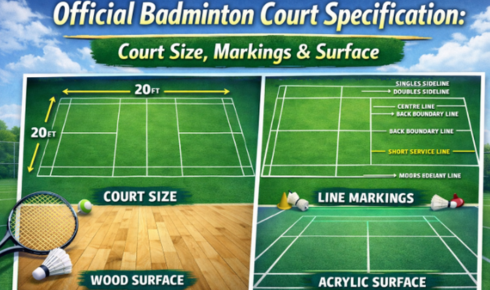
    The official badminton court specification defines a rectangular playing area with clearly marked boundaries. A standard badminton court measures 13.4 meters in length and 6.1 meters in width for doubles play. For singles matches, the width is reduced to 5.18 meters while the length remains the same.

    These dimensions are designed to balance speed, agility, and endurance. The court layout includes specific zones for service courts, center lines, sidelines, baselines, and short service lines. Accurate measurement and alignment are essential to maintain the integrity of the game.

    Court Markings and Line Specifications

    Court markings are a critical part of badminton court specification. All lines must be clearly visible, uniformly colored, and drawn within precise limits. The standard line width is 40 millimeters, and lines should contrast clearly with the playing surface.

    Different lines serve different purposes for singles and doubles play. This makes precision even more important, as incorrect markings can confuse players and officials. High-quality line marking materials ensure durability and visibility, especially in high-usage indoor courts.

    Net Height and Positioning

    Net placement is another key element of badminton court specification. The net must be positioned exactly at the center of the court, dividing it into two equal halves. The height of the net is 1.55 meters at the posts and 1.524 meters at the center.

    Correct net height ensures fair gameplay and proper shuttle trajectory. Even small deviations can change the nature of rallies and affect competitive balance.

    Importance of Badminton Court Flooring Surface

    The playing surface is one of the most influential factors in badminton performance. Unlike outdoor sports, badminton is primarily played indoors, where flooring quality directly impacts grip, shock absorption, and player safety.

    Modern badminton court specification strongly favor synthetic flooring systems over traditional concrete or wooden surfaces. Synthetic badminton court flooring provides consistent traction, reduces joint stress, and supports fast lateral movement.

    Common Badminton Court Flooring Options

    Synthetic acrylic flooring is widely used due to its durability and controlled grip. It creates a smooth, non-slip surface suitable for training and competitive play. This flooring type also allows accurate line marking and long-term performance with minimal maintenance.

    PVC and vinyl-based sports flooring systems are also popular in professional indoor courts. These systems offer excellent cushioning and comfort, making them ideal for high-level play and daily training environments. Wooden flooring, while traditional, requires more maintenance and higher investment, increasing badminton court cost over time.

    How Flooring Choice Affects Badminton Court Cost

    Badminton court cost is influenced by several factors, but flooring choice plays a major role. Initial installation costs vary depending on the material, base preparation, and cushioning requirements. However, long-term costs often matter more than upfront expenses.

    Low-quality surfaces may appear affordable initially but require frequent repairs or replacement. High-quality synthetic flooring systems reduce maintenance frequency and provide consistent performance for years, making them more cost-effective in the long run.

    Base Preparation and Construction Considerations

    A proper base is essential for meeting badminton court specification standards. The base is usually concrete, designed to be perfectly level and free from cracks. Any unevenness in the base can transfer to the surface, affecting play quality and increasing wear.

    Before applying the final surface, leveling compounds and primers are used to ensure strong bonding and surface uniformity. Proper construction reduces future maintenance issues and stabilizes overall badminton court cost.

    Indoor Environment and Lighting Requirements

    Badminton courts are typically indoor, and environmental conditions significantly affect gameplay. Adequate ceiling height is required to allow high shuttle trajectories without obstruction. Lighting must be evenly distributed to avoid shadows and glare.

    While lighting and ventilation are not part of the court surface itself, they are closely tied to overall badminton court specification and should be planned alongside flooring and layout.

    Maintenance and Longevity of a Badminton Court

    One of the advantages of modern badminton court flooring systems is ease of maintenance. Regular cleaning removes dust and sweat residue that can affect grip. Periodic inspection helps identify early signs of wear.

    With proper care, high-quality synthetic badminton courts can last many years without major resurfacing. This significantly reduces lifecycle badminton court cost and ensures uninterrupted play.

    Common Mistakes in Badminton Court Specification

    Many courts fail to meet official standards due to incorrect dimensions, poor-quality flooring, or improper line markings. These mistakes often arise from focusing only on initial cost rather than long-term performance.

    Following official badminton court specification guidelines and using proven materials helps avoid these issues and ensures the court remains compliant and functional.

    Future Trends in Badminton Court Design

    As badminton continues to grow globally, court design is evolving toward better player comfort and sustainability. Advanced synthetic flooring systems with improved shock absorption and eco-friendly materials are becoming more common.

    These innovations aim to enhance performance while controlling badminton court cost through longer service life and reduced maintenance.

    Final Thoughts 

    A well-planned badminton court specification ensures accurate gameplay, player safety, and long-term durability. From court dimensions and markings to surface selection and construction quality, every element contributes to the court’s success.

    Understanding how specifications influence badminton court cost helps facility owners make informed decisions that balance performance with budget. Investing in quality materials and proper construction leads to better play experiences and lower long-term expenses.

    For schools, academies, and sports facilities, adhering to official badminton court specifications is the foundation of a professional, reliable, and future-ready badminton court.

    Title: Official Badminton Court Specification: Court Size, Markings & Surface

    Description: Learn the official badminton court specification, including court size, markings, surface types, and how these factors impact badminton court cost.

  • Why Football Jerseys Feel Like More Than Just Shirts

    Why Football Jerseys Feel Like More Than Just Shirts

    There are few things in sports that stir emotions quite like a football jersey. They’re just fabric, technically. Polyester, cotton blends, breathable mesh. Yet when you see your team’s colors stitched onto a shirt, something clicks in your chest. Suddenly, you’re not just a spectator. You’re part of the story. Jerseys have a way of pulling us into the heartbeat of the game, reminding us of past glories, bitter defeats, and everything in between.

    I’ve always believed that jerseys aren’t just souvenirs. They’re symbols of identity. The moment you slip one over your shoulders, it’s like a small contract with the team—you’re with them, rain or shine, whether they’re lifting a trophy or crashing out in the group stage.


    One of the most iconic sights in Italian football is the ac milan football jersey—those bold red and black stripes that feel less like design and more like a declaration. Milan’s kit is instantly recognizable, not just for its sharp aesthetics but for what it represents. It carries echoes of legends like Maldini, Kaka, and Shevchenko, as if the very fabric remembers their footsteps.

    The funny thing is, Milan’s shirt manages to look both elegant and intimidating at the same time. That combination of colors has a kind of timeless confidence. When fans wear it, whether in the San Siro or halfway across the globe, they’re not just backing a club; they’re aligning themselves with a tradition of resilience and artistry that Italian football has always embodied.


    Cross the Alps and you’ll find another powerhouse with equally recognizable colors: Bayern Munich. The bayern jersey has gone through its fair share of evolutions—sometimes deeper reds, sometimes minimalist designs—but the heart of it is always that unmistakable Bavarian pride. It’s not just about fashion; it’s about dominance. Bayern’s kit has been a fixture in Champions League nights, Bundesliga triumphs, and unforgettable comebacks that leave fans gasping for air.

    What’s striking about Bayern’s shirt is how it represents consistency. Year after year, the club delivers results, and the jersey feels like a banner of relentless ambition. Fans wear it with a quiet certainty, as though they expect greatness not just on the pitch but stitched right into those red fibers. And honestly, they’re not wrong.


    Of course, if we’re talking about jerseys that carry mystique, Real Madrid deserves a special mention. Everyone knows the white kit, but there’s something about the real madrid black jersey that just oozes charisma. Black kits in football always have a bit of edge to them—they feel sleek, rebellious, and undeniably modern. When Madrid dons the darker tones, it’s like watching royalty step into the shadows.

    The black shirt isn’t just a fashion statement, though. It’s become a fan favorite because it breaks tradition while keeping the club’s aura intact. Supporters snap them up because they’re rare, memorable, and a little daring. They don’t scream dominance the way the all-white does; instead, they whisper it. And sometimes whispers can feel even louder.


    What’s fascinating is how these jerseys go beyond the clubs themselves. They travel the world, carried by fans who may never set foot in Milan, Munich, or Madrid. You’ll see them in bars in New York, markets in Lagos, back alleys in Tokyo. They’re passports of identity. A shirt can spark a conversation, a friendship, or even a playful rivalry between strangers who might not share a language but understand the meaning behind the crest.

    And let’s be real—football shirts are as much about memories as they are about looks. Maybe you bought one the year your team won the league, and now it feels like a good-luck charm. Or maybe you keep an old one tucked away, frayed at the edges, because it reminds you of watching matches with your dad. These aren’t just purchases. They’re stories you can wear.


    Of course, jerseys also have their quirks. Every season, clubs release new designs, and fans collectively groan or cheer. Some years it’s brilliance, other years it’s baffling. Remember when certain clubs tried checkerboard patterns or neon greens? People mocked them at first, but now they’re retro treasures. That’s the thing about football kits—they age differently. What looks ugly today might be iconic tomorrow.

    And yes, there’s the elephant in the room: the price tags. Modern kits aren’t cheap. Fans grumble about it every season, but somehow, sales keep climbing. Because at the end of the day, it’s not really about rationality. It’s about belonging. You’re not buying fabric. You’re buying a slice of identity.


    The ritual of wearing a jersey is worth noting too. Match days almost feel incomplete without it. There’s a sense of preparation, almost like armor before battle. Whether you’re heading into a roaring stadium or just sitting on your couch, pulling on that shirt sets the mood. It connects you to millions of others doing the exact same thing at the same moment, across time zones and continents.

    And if you’ve ever been brave enough to wear your team’s kit in “enemy territory,” you know the mix of adrenaline and camaraderie it brings. Sometimes it’s banter, sometimes side-eyes, sometimes even a shared laugh when someone admits, “I hate your team, but that kit looks sharp.”


    What really gets me, though, is how jerseys bridge generations. A grandfather passes down an old shirt to his grandson. A parent buys their child their first kit, and suddenly a family tradition begins. In a way, football shirts act like threads that stitch generations together. They remind us that fandom isn’t fleeting—it’s something that can last a lifetime and stretch beyond one person.


    In the end, football jerseys are about connection—between fans and clubs, between eras and memories, between strangers in far-flung places. They might be mass-produced in factories, but once they’re in our hands, they become uniquely ours. A bit worn, maybe stained, but always cherished.

    Because really, it’s never just a shirt. It’s pride. It’s nostalgia. It’s identity. And that’s why, season after season, no matter the design or the cost, we keep coming back for more.

  • Why Pacecourt is India’s Most Trusted Brand for Pickleball Court Materials

    Why Pacecourt is India’s Most Trusted Brand for Pickleball Court Materials

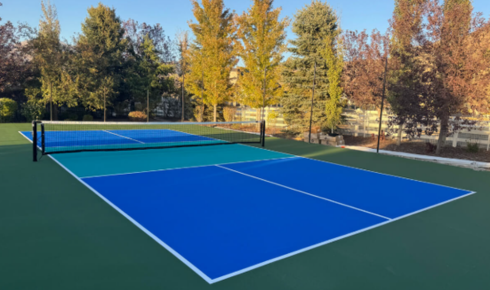
    Pickleball is gaining momentum as one of the fastest-growing sports in India. Whether played casually in a housing society or professionally in coaching academies, the game demands a reliable and high-quality court surface. The flooring isn’t just a supporting element—it’s the foundation of every serve, rally, and shot.

    In response to this growing demand, Pacecourt has earned its reputation as India’s most trusted name in synthetic acrylic pickleball court materials. Through a perfect blend of innovation, certified quality, and deep understanding of local needs, Pacecourt offers flooring solutions that meet the highest standards of safety and performance.

    What Makes Pickleball Court Flooring So Important?

    Pickleball might be relatively new to the Indian sports ecosystem, but it brings with it very specific flooring requirements. A good court should do more than just look good—it must enhance the player’s experience. It must deliver consistent bounce and ball speed, ensure grip and stability, and provide comfort that protects the players’ joints and muscles over time.

    Given India’s varied climate, from hot and humid coastal cities to dry and dusty interiors, the surface must also be weatherproof. Synthetic acrylic flooring ticks all these boxes. Its ability to withstand changing temperatures, rainfall, and wear-and-tear makes it an ideal match for India’s outdoor playing conditions.

    Why Choose Synthetic Acrylic for Pickleball Courts?

    Synthetic acrylic courts are layered systems applied over a hard base like concrete or asphalt. The layers are designed to work in harmony, offering everything from impact absorption to weather protection. Whether it’s a standard 5-layer setup or a more premium 8-layer system, synthetic acrylic ensures top-tier performance.

    The benefits include:

    • Slip resistance: Even during monsoon months, players can move with confidence.
    • Fast drying: After rain, play can resume quickly.
    • Vibrant aesthetics: Courts remain visually appealing for years.
    • Low maintenance: Simple cleaning and minimal touch-ups keep it looking fresh.

    These features make synthetic acrylic not just a durable option, but also a surface that fosters confidence and improves gameplay for all skill levels.

    Why Pacecourt Leads the Market in Pickleball Court Materials

    1. Proven Product Quality

    Pacecourt doesn’t compromise when it comes to quality. Each product is formulated after extensive lab research and is field-tested under actual playing conditions. Whether it’s a community park or a national-level coaching facility, Pacecourt’s materials deliver consistent grip, bounce, and visual appeal.

    What truly sets them apart is their ability to perform under diverse Indian conditions—handling harsh sunlight, sudden rains, and the constant foot traffic of daily players. That’s why when people look for pickleball court materials in India, they look to Pacecourt.

    2. ITF & ISO Certification

    Every Pacecourt product complies with the strict standards of the International Tennis Federation (ITF) for surface consistency and speed. Additionally, they hold ISO 9001:2015 certification, reflecting a high level of quality control in production. These certifications are more than labels; they offer peace of mind that the court material you’re installing has been held to international standards.

    3. Tailored Layer Systems

    Every site and player group is different, and Pacecourt acknowledges that. They provide two flexible systems:

    • 5-Layer System: Designed for schools, parks, and residential societies where play is casual yet consistent. This system includes essential cushioning and color coats that ensure safety and fun.
    • 8-Layer System: Suited for professional academies or heavy-use courts, this system includes additional cushion coats that reduce stress on players’ joints and provide a more comfortable experience during long sessions.

    Clients aren’t boxed into one-size-fits-all solutions. They can choose the configuration that suits their environment, usage, and budget.

    4. Nationwide Reach

    Pacecourt supports its material supply with a strong network of 200+ independent dealers and installation experts across India. Whether you are building a court in a metro city or a smaller town, you’ll find the materials you need—delivered quickly, and with local support. This nationwide accessibility ensures you get not just a great product, but also great service and guidance.

    5. Customization Options

    Court owners today are looking for more than just function—they want aesthetics that reflect their brand or community. Pacecourt offers custom color options, logo integration, and precise line markings, giving clients the freedom to create visually appealing, regulation-accurate courts.

    Pacecourt’s Layer System Breakdown

    5-Layer System (Standard Performance)

    • 1x Acrylic Resurfacer: Smooths out the base
    • 2x Cushion Coats: Adds basic comfort and shock absorption
    • 2x Color Coats: Provides final texture, color, and slip resistance

    8-Layer System (Premium Comfort)

    • 1x Acrylic Resurfacer: Prepares the surface
    • 5x Cushion Coats: Deep comfort, reduces fatigue
    • 2x Color Coats: Delivers high-grip, vibrant finish

    Whether you’re catering to beginners or professionals, these systems offer reliability, safety, and satisfaction with every game.

    Trusted by a Wide Range of Clients

    What cements Pacecourt’s credibility is its strong and growing client base. From top-tier sports academies to government infrastructure projects, Pacecourt’s materials have been used in:

    • Local parks and public courts
    • Schools and universities
    • Private clubs and communities
    • Municipal and panchayat sports initiatives

    Clients repeatedly choose Pacecourt not just for the material quality but for the trust and peace of mind that come with it. They know they’re investing in a surface that performs well, looks great, and stands the test of time.

    Conclusion

    The future of pickleball flooring in India is bright, and the right court surface is a big part of that growth. From performance and safety to aesthetics and durability, Pacecourt delivers on all fronts. As more players discover the thrill of pickleball, having a professional-grade surface becomes a must. And with its certified products, reliable support, and commitment to customer satisfaction, Pacecourt continues to lead the way.

    Ready to build a world-class court? Explore synthetic acrylic systems built for Indian conditions with Pacecourt.

  • Outdoor Basketball Court Flooring Materials Manufacturer in India

    Outdoor Basketball Court Flooring Materials Manufacturer in India

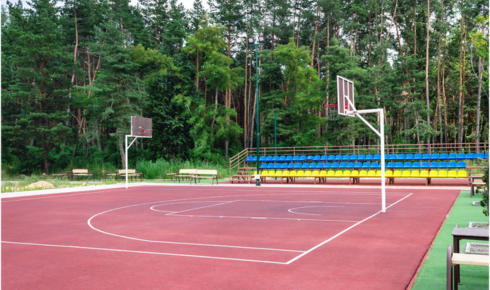
    The popularity of basketball as a sport continues to rise across India, driving the demand for durable, high-performance outdoor basketball court flooring. From schools and sports academies to public parks and residential complexes, a growing number of institutions are investing in top-quality basketball court flooring materials that offer safety, resilience, and professional-level playability. Among the most preferred choices today is synthetic acrylic flooring material, known for its strength, weather resistance, and low maintenance.

    A trusted basketball court material manufacturer plays a vital role in supplying the right surface solutions that meet both international standards and local environmental conditions. Whether for new basketball court construction or resurfacing existing courts, selecting premium-grade synthetic acrylic basketball court flooring material is essential for achieving lasting performance and player satisfaction.

    Importance of High-Quality Basketball Court Flooring Materials

    Choosing the right basketball court flooring material affects not only game performance but also the longevity and safety of the court. Outdoor basketball courts are exposed to intense usage and varying climatic conditions. Poor quality materials can result in cracks, fading, water retention, and unsafe playing surfaces.

    Synthetic acrylic flooring material addresses these concerns effectively. It offers a slip-resistant surface, high durability, UV resistance, and consistent bounce. These characteristics make it ideal for outdoor installations where reliability and performance are critical.

    Benefits of Synthetic Acrylic Basketball Court Flooring Material

    1. Weather Resistance: Outdoor sports surfaces in India face extreme temperature fluctuations, monsoons, and strong sunlight. Synthetic acrylic basketball court material is engineered to withstand all these conditions without compromising performance or aesthetics.
    2. Player Safety: Proper traction, shock absorption, and uniform bounce reduce the risk of injuries. This makes synthetic acrylic basketball court flooring material a preferred option for facilities prioritizing player welfare.
    3. Low Maintenance Requirements: Unlike traditional surfaces, synthetic acrylic surfaces are easy to clean and maintain. Occasional cleaning and scheduled resurfacing can keep the court in top condition for years.
    4. Cost-Effective Solution: The combination of affordable basketball court installation, minimal maintenance needs, and long service life makes synthetic acrylic systems a cost-efficient choice for large-scale and small-scale projects alike.

    Applications of Basketball Court Material

    High-performance basketball court flooring materials are used in a wide range of environments, including

    • Educational Institutions
    • Community Sports Grounds
    • Private Housing Societies
    • Government Projects
    • Training Academies
    • Recreational Complexes

    Each setting may have unique requirements regarding surface speed, color, shock absorption, and design. Leading basketball court material manufacturers offer versatile systems that cater to these varying needs with full customization options.

    Basketball Court Construction Process

    A professionally executed basketball court construction project involves multiple stages to ensure durability and performance. The process typically includes:

    1. Site Inspection and Planning: Analysis of soil condition, layout orientation, drainage, and court dimensions.
    2. Base Preparation: Construction of a stable base using asphalt or concrete to provide a level, crack-resistant foundation.
    3. Application of Synthetic Acrylic Layers: Multiple layers of synthetic acrylic flooring material are applied to create a smooth, cushioned, and slip-resistant playing surface.

    4. Line Marking and Accessories Installation: Court markings are applied in standard dimensions, and accessories such as poles and nets are added based on usage requirements.

    This systematic approach helps in delivering courts that not only look professional but also perform optimally under various playing conditions.

    Features of Synthetic Acrylic Court Systems

    Modern synthetic acrylic basketball court material systems can be tailored in terms of:

    • Surface Texture: Options range from fine-textured finishes for speed to coarse textures for extra grip.
    • Color Selection: UV-stable color options are available for aesthetic appeal and surface temperature control.
    • Cushioning Layers: Multi-layer cushioned systems offer added shock absorption for intense training and play.
    • Speed Ratings: Customizable based on the type of play – recreational, training, or competitive.

    These features enable builders and architects to choose the perfect solution based on budget, usage, and player demographics.

    Role of a Professional Basketball Court Builder

    Hiring an experienced basketball court builder ensures adherence to construction best practices, correct material application, and timely project execution. An expert builder understands the technicalities of base formation, surface layering, and finish detailing. This expertise is crucial in avoiding future issues such as surface bubbling, water pooling, or early wear and tear.

    The involvement of a skilled team in basketball court installation also ensures proper alignment, dimensions, and compliance with regulatory standards.

    Sustainability in Basketball Court Materials

    Sustainable construction practices are gaining importance in India’s sports infrastructure projects. Reputable synthetic acrylic basketball court material manufacturers now offer eco-friendly solutions free from heavy metals and harmful chemicals. These materials are produced using low-emission processes and are recyclable, contributing to a reduced environmental footprint.

    Choosing the Right Basketball Court Material Manufacturer

    Selecting a dependable basketball court material manufacturer is crucial for successful project delivery. Important considerations include:

    • Material certification and compliance with global standards
    • Availability of multiple surface systems and customization
    • Proven track record in sports infrastructure supply
    • Logistics and distribution capabilities across India
    • Technical support and installation guidance

    Working with a certified synthetic acrylic basketball court material manufacturer ensures product quality, long-term reliability, and satisfaction across different use cases and environments.

    Conclusion

    With the rise in demand for professional-grade sports facilities, synthetic acrylic basketball court flooring material has become the ideal choice for outdoor applications in India. Its durability, performance benefits, and adaptability make it the top solution for basketball court construction across schools, public spaces, and sports academies. Partnering with an experienced basketball court builder and sourcing from a reliable basketball court material manufacturer guarantees a world-class playing experience for athletes of all levels.

  • Why Acrylic Flooring is the Best Choice for Tennis Courts.

    Why Acrylic Flooring is the Best Choice for Tennis Courts.

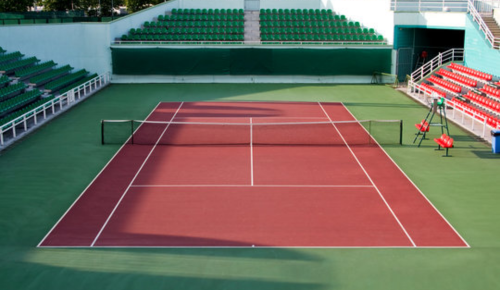
    Tennis is a sport that requires precision, agility, and endurance, making the choice of tennis court flooring crucial to player performance and safety. A well-constructed court enhances the gameplay experience, offering a balance of durability, traction, and consistency. Whether for professional tournaments, recreational clubs, or private courts, selecting the right tennis court material is key to ensuring long-lasting quality and optimal playing conditions.

    Acrylic surfaces have become the preferred choice for tennis court construction, offering superior resilience against heavy foot traffic and varying weather conditions. Unlike other materials, acrylic coatings provide excellent traction while allowing for smooth and fast-paced movement. A leading tennis court material manufacturer like SLT specializes in high-quality acrylic surfaces that deliver exceptional performance and longevity.

    The construction of a high-quality tennis court begins with a solid foundation, typically made of asphalt or concrete. This base provides stability, while the application of an acrylic surface layer enhances playability. Acrylic coatings are designed to offer a uniform ball bounce, minimizing inconsistencies that can affect a player’s game. Additionally, these surfaces reduce strain on players’ joints, allowing for extended play with less fatigue. SLT, a trusted name among tennis court makers, ensures that every acrylic flooring solution meets the highest standards of quality and durability.

    One of the standout benefits of acrylic tennis court flooring is its low maintenance requirements. Unlike clay courts that demand frequent watering and rolling, or grass courts that require constant mowing, acrylic surfaces are easy to maintain. Routine cleaning and periodic resurfacing keep the court in prime condition for years. SLT’s premium acrylic coatings are designed to resist fading, cracking, and surface wear, making them a cost-effective investment for sports facilities and private installations alike.

    Acrylic surfaces also offer versatility in design. They can be customized in a variety of colors to enhance visibility and aesthetics. Professional tennis court makers work closely with facility owners to create visually appealing courts that meet both functional and stylistic preferences. Furthermore, the non-porous nature of acrylic coatings prevents water penetration, ensuring rapid drying and reducing downtime after rain. This feature makes acrylic an ideal choice for outdoor tennis court construction, where unpredictable weather conditions can impact play.

    Safety is another crucial factor in selecting tennis court flooring material. Acrylic coatings provide a slip-resistant surface, minimizing the risk of injuries caused by sudden stops or quick directional changes. The smooth yet grippy texture ensures that players have the necessary traction to move efficiently while maintaining control over their movements. SLT’s advanced acrylic formulations enhance shock absorption, reducing the impact on knees and ankles, which is especially beneficial for frequent players and professionals.

    In addition to performance benefits, environmental considerations also play a role in choosing the right tennis court material. Acrylic surfaces are eco-friendly, requiring minimal resources for upkeep and lasting for many years without the need for frequent replacements. This sustainability factor makes acrylic courts a responsible choice for schools, clubs, and private venues looking to reduce long-term costs and environmental impact.

    With the growing popularity of tennis worldwide, investing in high-quality tennis court flooring is more important than ever. Acrylic surfaces continue to set the industry standard, providing unparalleled durability, aesthetics, and performance. Whether constructing a new court or resurfacing an existing one, partnering with a reliable tennis court material manufacturer like SLT ensures access to top-tier materials and expert guidance.

    In conclusion, acrylic surfaces offer the best combination of durability, low maintenance, safety, and playability, making them the preferred choice for tennis court construction. With innovations in tennis court flooring material, courts are now more resilient and comfortable than ever. Facility owners and players seeking the highest quality playing surface should turn to SLT, a leader in the industry, for premium acrylic tennis court solutions that stand the test of time.

  • How to Maintain a Backyard Tennis Court for Long-Term Durability

    How to Maintain a Backyard Tennis Court for Long-Term Durability

    Introduction

    A backyard tennis court is a valuable addition to any home, offering convenience and an excellent space for practice. However, without proper maintenance, its lifespan can significantly decrease, leading to costly tennis court repair or resurfacing. Whether you have an acrylic tennis court, synthetic tennis court, or another surface, regular upkeep is essential to maintain its quality and playability.

    Essential Maintenance Tips

    1. Regular Cleaning to Prevent Debris Buildup

    Dirt, leaves, and debris can accumulate on your outdoor tennis court, causing surface damage and reducing traction. To keep the court in good shape:

    • Sweep or blow off debris regularly.
    • Wash the surface with mild soap and water every few weeks.
    • Avoid using harsh chemicals that may degrade the tennis court surfacing.

    2. Check for Cracks and Surface Damage

    Over time, cracks and small holes may develop, especially in an acrylic tennis court. Addressing these issues early can prevent larger, more expensive problems. Steps to take:

    • Inspect the surface every few months for any signs of wear.
    • Use crack fillers designed for tennis court repair if needed.
    • Contact professional tennis court builders for significant damage.

    3. Maintain Proper Drainage

    Water pooling on the court can cause surface deterioration, especially for an outdoor tennis court. To prevent this:

    • Ensure drains and surrounding areas are clear of blockages.
    • Install a proper slope to allow water to run off.
    • Consider resurfacing if water retention becomes a persistent issue.

    4. Resurface When Necessary

    Even with proper maintenance, courts eventually require tennis court resurfacing to restore their playability. Signs that resurfacing is needed include:

    • Fading or worn-out surface colors.
    • Uneven ball bounce.
    • Cracks or peeling layers on the court.

    5. Protect the Court from Harsh Weather

    Extreme heat, rain, and freezing temperatures can impact your backyard tennis court. Protective measures include:

    • Using a court cover when not in use.
    • Avoiding play during extreme weather conditions.
    • Applying UV-resistant coatings to extend the court’s lifespan.

    Common Mistakes to Avoid

    1. Using the Wrong Cleaning Products

    Harsh chemicals can degrade tennis court surfacing, leading to faster deterioration. Stick to manufacturer-recommended cleaning solutions.

    2. Ignoring Small Repairs

    Minor cracks can quickly escalate into expensive repairs. Regular inspections and early intervention can save thousands in tennis court repair costs.

    3. Allowing Heavy Equipment on the Court

    Avoid placing heavy furniture or vehicles on the tennis court dimensions, as they can damage the surface and create depressions.

    Conclusion

    Proper maintenance of your backyard tennis court ensures long-term durability, better performance, and fewer repair costs. Regular cleaning, timely tennis court resurfacing, and protective measures will keep your court in top shape for years. Whether you have an acrylic tennis court or synthetic tennis court, following these guidelines will maximize its lifespan and maintain an optimal playing experience.