Author: shrwanswami@gmail.com

  • A Glass of Water, Reconsidered: Why the Smallest Changes at Home Matter Most

    A Glass of Water, Reconsidered: Why the Smallest Changes at Home Matter Most

    There’s something almost automatic about drinking water. You reach for a glass, turn the tap, and carry on with your day. No second thoughts, no analysis. It’s just part of life.

    But sometimes, if you slow down for a second, you notice things. Maybe the taste feels a little off. Maybe your kettle builds up residue faster than it used to. Or your skin feels a bit dry after a shower, and you can’t quite explain why.

    Nothing urgent. Nothing alarming. Just… enough to make you curious.


    When “Normal” Starts to Feel Different

    Water doesn’t have to be unsafe to feel imperfect. In fact, most people who start exploring improvements aren’t dealing with major problems—they’re dealing with small inconveniences.

    A faint chlorine taste.
    Mineral buildup on fixtures.
    Water that doesn’t quite behave the way it should.

    That’s often where water treatment systems enter the picture. Not as a drastic fix, but as a way to refine what’s already there. These systems work quietly, removing unwanted elements and balancing the composition of your water so it feels more natural in daily use.

    It’s not about changing everything overnight. It’s about making small improvements that add up.


    What “Clean” Really Means

    We tend to think of water as either clean or not. But in reality, it’s more of a spectrum.

    Water can meet safety standards and still carry things that affect taste, smell, or long-term comfort. That’s why the idea of clean safe water goes beyond just meeting basic guidelines. It’s about how water feels in your home—how it tastes when you drink it, how it interacts with your skin, how it performs in everyday tasks.

    And once you experience that difference, it becomes noticeable.

    Not dramatic. Just better.


    The Quiet Role of Efficiency

    There’s another layer to this conversation that doesn’t always get enough attention: efficiency.

    Water systems aren’t just about quality—they’re about how effectively water moves through your home. Pressure, flow, consistency—these factors shape your daily experience more than you might realize.

    That’s where the concept of efficient water comes in. It’s not just about saving resources (though that’s part of it). It’s about making sure your system delivers what you need without waste or strain.

    A balanced system reduces wear on appliances, improves performance, and makes everything feel smoother.

    And like most improvements in water, you notice it gradually.


    Small Changes, Real Impact

    One of the most interesting things about improving water is how subtle the benefits feel at first.

    Your coffee tastes a little cleaner.
    Your dishes come out clearer.
    Your shower feels more comfortable.

    None of these changes demand attention, but together, they create a noticeable shift. Over time, they become your new baseline.

    And going back to the way things were? That’s when you really notice the difference.


    It Doesn’t Have to Be Complicated

    There’s a tendency to overthink water improvements. To assume you need the most advanced system, the latest technology, the perfect setup.

    But most homes don’t need complexity. They need the right solution.

    Sometimes that’s a simple filter. Other times, it’s a softener or a more targeted system. The key is understanding what your water needs—not what looks impressive on paper.

    Starting small often works best. You can always adjust later.


    Maintenance That Feels Manageable

    Once a system is in place, maintenance becomes part of the routine. But it’s not as demanding as it sounds.

    Replacing filters when needed.
    Checking system performance occasionally.
    Making small adjustments over time.

    These tasks don’t take much effort, and they help keep everything running smoothly. And once they become habits, they don’t feel like extra work.

    They just feel like part of taking care of your home.


    A Different Way of Thinking About Water

    Improving water quality isn’t just about the system itself—it’s about the perspective that comes with it.

    You start noticing things you didn’t before. The way water tastes. How it behaves. How it affects your daily routines.

    It’s not about becoming overly focused on it. It’s about being aware enough to make better choices.

    And that awareness tends to stick.


    Final Thoughts

    Water is one of those things we rely on without much thought. It’s constant, dependable, and easy to overlook.

    But taking a closer look—even just a little—can change how you experience it.

    You don’t need to chase perfection or overhaul your entire system. Just start with awareness. Make small adjustments where they make sense.

    Because in the end, it’s not about doing everything differently.

    It’s about making something essential feel just a little bit better.

  • GEO Services Are the SEO Story of 2026 – Here’s Why You Haven’t Heard Enough About Them

    GEO Services Are the SEO Story of 2026 – Here’s Why You Haven’t Heard Enough About Them

    Ask ten SEO professionals to define GEO services and you’ll probably get eight different answers. That’s not a knock on the industry – it’s actually a sign that something genuinely new is happening, and the vocabulary is still catching up with reality.

    GEO stands for Generative Engine Optimization. And if you’re not familiar with it yet, that’s fine – but it’s worth getting up to speed quickly because it’s quietly becoming one of the most important optimization disciplines of 2026.

    What’s a Generative Engine?

    Let’s start with the obvious question. A generative engine is any AI-powered system that generates answers rather than just returning links. ChatGPT, Perplexity, Google’s AI Overviews, Microsoft Copilot – these are generative engines. When someone types a question and gets a synthesized, written response rather than a list of blue links, they’re using a generative engine.

    The shift is significant. Traditional search engines indexed content and surfaced pages. Generative engines consume content, synthesize it, and produce new text. The relationship between your content and the user is fundamentally different. Instead of driving a click to your page, you’re potentially having your content cited – or not cited – inside an AI-generated response.

    That changes what optimization means.

    The New Optimization Challenge

    Here’s the core problem that geo services are trying to solve: how do you make sure that when a generative AI system is producing an answer related to your topic, your brand, content, or expertise shows up in that response?

    It’s not about keyword density. It’s not about domain authority in the traditional sense. Generative engines don’t rank pages – they synthesize information from sources they find credible, clear, and relevant. The optimization challenge is about becoming one of those sources.

    What that requires is different from traditional SEO. It requires content that’s clearly structured for extractability – information that’s easy for an AI system to identify, parse, and incorporate into a synthesized response. It requires authoritative positioning across multiple sources, not just on your own website. It requires entity clarity – being unambiguously associated with specific topics and expertise areas. And it requires the kind of factual accuracy and consistency that AI systems use as quality signals.

    Why 2026 Is the Inflection Point

    Search behavior has been shifting for a while, but 2026 feels like the year where generative search has moved from novelty to mainstream. Google’s AI Overviews appear on a significant percentage of queries. Perplexity’s user base has grown dramatically. ChatGPT is being used as a search interface by millions of people who never used it that way two years ago.

    The click-through rates to organic results on AI Overview queries are measurably lower than on traditional SERP results. That’s just math. If the user gets their answer in the generated response, they’re less likely to click through to your site – even if your site was the source. The value equation for traditional SEO is changing.

    generative engine optimization services exist to help brands navigate this shift – to make sure that even as the click-through patterns change, their authority and visibility in the emerging search landscape remain strong.

    What GEO Actually Involves

    In practice, generative engine optimization involves several things that look different from traditional SEO work.

    Content structuring for AI extractability. This means writing in clear, declarative sentences. Using structured formats – definitions, comparisons, numbered processes – that are easy for AI systems to parse. Avoiding the kind of florid, subjective prose that reads well to humans but is hard for machines to summarize accurately.

    Authoritative citation building. Being mentioned, cited, or referenced in credible sources across the web – not just for the backlink value, but because those citations are part of what generative AI uses to evaluate the credibility of a source.

    Entity and knowledge graph optimization. Making sure that your brand, your expertise, and your topical associations are clearly represented in structured data and in the sources that generative AI systems draw from.

    And genuinely useful content. This sounds basic, but it’s the most important part. Generative engines are optimized to surface information that accurately and completely answers questions. Content that actually does that, at a level of detail and accuracy that matches or exceeds competing sources, is the foundation of everything else.

    The Risks of Ignoring This

    There’s a version of the next few years where businesses that don’t adapt to generative search lose ground in ways that are invisible until they’re serious. Traditional rankings might hold steady while share of voice in AI-generated responses erodes. Traffic might decline gradually in ways that get attributed to other causes. Brand visibility in the conversations where purchase decisions are forming might shrink without any obvious warning sign.

    GEO isn’t optional for businesses that care about long-term digital visibility. It’s an adaptation to a real and ongoing shift in how people find information.

    Getting Started

    The good news is that the fundamentals of GEO align closely with the fundamentals of excellent content strategy. Writing clearly, covering topics thoroughly, being accurate, building genuine authority – these things work for generative engines because they work for humans first.

    The additional layer is the structural and technical work that makes content maximally useful for AI systems specifically. That’s learnable, and there are specialists who can help.

    The story of 2026 in SEO is generative engine optimization. Getting ahead of it now is considerably easier than catching up in 2027.

  • What’s Really Happening Inside Today’s Booming Commercial Construction Sector

    What’s Really Happening Inside Today’s Booming Commercial Construction Sector

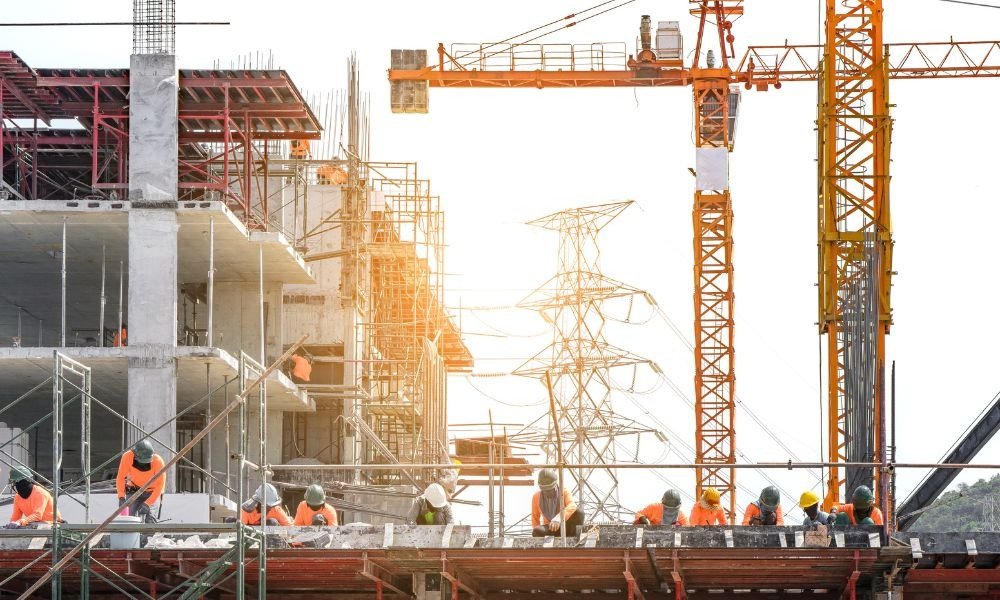
    The rapid growth of commercial construction is reshaping modern cities, redefining business environments, and creating new opportunities for investors, developers, and industries across Dubai. As one of the world’s fastest-growing urban destinations, Dubai continues to experience major infrastructure expansion driven by commercial real estate developments, industrial facilities, retail centers, and corporate spaces. Behind this transformation are construction companies that combine advanced engineering, innovative planning, and professional execution to deliver projects built for long-term success. RGCC Building Contracting L.L.C. has emerged as a trusted industry leader by delivering high-quality construction solutions that support Dubai’s evolving commercial landscape.

    Dubai’s construction sector has become one of the key pillars supporting economic growth and global investment. Businesses entering the UAE market require modern infrastructure capable of supporting operational efficiency, sustainability, and future scalability. As a result, commercial developments are becoming more sophisticated, integrating smart technologies, sustainable materials, and efficient project management systems to meet modern business demands. RGCC Building Contracting L.L.C. continues to support this transformation through advanced construction services tailored to industrial, retail, residential, and commercial sectors across the UAE.

    The Growing Demand for Modern Commercial Infrastructure

    Commercial development in Dubai has expanded far beyond traditional office buildings. Today’s projects include logistics centers, industrial warehouses, healthcare facilities, retail spaces, mixed-use developments, and modern corporate hubs designed to support rapidly changing business operations. This shift reflects the city’s ambition to remain a global destination for trade, tourism, innovation, and investment.

    RGCC Building Contracting L.L.C. plays a major role in this development by offering comprehensive construction solutions designed to meet complex commercial requirements. The company provides services including project management, design and build solutions, industrial construction, warehouse development, retail construction, commercial building construction, and maintenance services. This integrated approach allows clients to manage projects efficiently through one experienced contractor, ensuring smooth coordination from planning to final handover.

    Supported by the expertise of RG Group, RGCC combines strategic planning with technical excellence to create developments that maximize operational performance and long-term value. Every project is carefully designed to align with client objectives, market demands, and investment goals, helping businesses establish reliable and future-ready infrastructure across Dubai.

    Technology and Innovation Transforming Construction

    One of the biggest changes happening inside today’s construction sector is the increasing use of advanced technologies and modern engineering systems. Construction companies are now relying on smart planning tools, digital project management systems, and innovative building technologies to improve project efficiency and maintain quality standards.

    RGCC Building Contracting L.L.C. adopts modern construction methodologies that improve precision, reduce delays, and optimize project execution. By integrating advanced engineering practices and efficient workflows, the company ensures projects are delivered on time while maintaining superior construction quality. This commitment to innovation allows RGCC to meet the growing expectations of investors and businesses operating within Dubai’s competitive market.

    Technology is also changing how commercial buildings operate after completion. Smart infrastructure systems, energy-efficient designs, and sustainable construction practices have become essential components of modern developments. Companies now prioritize buildings that improve operational efficiency while supporting environmental responsibility and long-term cost savings.

    Sustainability Becoming a Core Industry Focus

    Sustainability has become one of the most important priorities in today’s construction sector. Dubai’s long-term urban development strategies emphasize environmentally responsible infrastructure designed to reduce energy consumption and support sustainable economic growth. As a result, construction companies must adopt eco-friendly practices and resource-efficient systems that align with these goals.

    RGCC Building Contracting L.L.C. integrates sustainable construction methods into every project through the use of premium materials, efficient planning systems, and environmentally conscious building practices. The company focuses on creating durable and energy-efficient developments that support both operational performance and environmental responsibility. This commitment to sustainability allows RGCC to deliver projects that meet modern regulatory standards while contributing to Dubai’s vision for sustainable urban expansion.

    The company also prioritizes safety and compliance throughout every phase of construction. By maintaining strict quality control standards and adhering to UAE regulations, RGCC ensures every project is completed safely, efficiently, and according to industry best practices.

    The Rising Importance of Commercial Construction in Dubai

    The increasing role of Commercial Construction in Dubai reflects the city’s continued economic growth and global business expansion. Commercial projects are no longer simply about constructing buildings; they are about creating environments that improve productivity, support innovation, and attract investment opportunities.

    RGCC Building Contracting L.L.C. understands the importance of delivering commercial developments that provide long-term value for clients and investors. The company’s experienced engineers, architects, and project managers collaborate closely with clients to create customized construction solutions tailored to specific operational requirements and business objectives.

    Another major advantage offered by RGCC is its ability to handle all technical and administrative aspects of construction projects. From securing approvals and permits to coordinating with Dubai Municipality and other regulatory authorities, the company manages complex development processes with professionalism and efficiency. This streamlined approach allows clients to focus on business growth while RGCC handles construction execution and project coordination.

    Building the Future of Dubai’s Commercial Sector

    Dubai’s booming construction industry continues to create opportunities for innovative companies capable of delivering high-performance infrastructure. As businesses seek modern commercial spaces that support long-term growth, construction companies must continuously evolve to meet changing market demands.

    RGCC Building Contracting L.L.C. remains committed to delivering advanced construction solutions that combine quality, sustainability, and innovation. Through strategic planning, modern engineering, and professional project management, the company continues to support Dubai’s rapid urban transformation across commercial and industrial sectors. From warehouses and office facilities to retail and mixed-use developments, RGCC consistently delivers projects that reflect operational excellence and long-term value. For investors and businesses searching for a trusted dubai construction company, RGCC Building Contracting L.L.C. provides the expertise, reliability, and construction excellence required to build successful and future-ready developments

  • Discover the Best Clamps for Every Project at Fox Global

    Discover the Best Clamps for Every Project at Fox Global

    In the world of industrial engineering and construction, the quality of your components determines the reliability of your entire system. Premium industrial clamping solutions play a critical role in ensuring safety, efficiency, and longevity across countless applications — from mining and petrochemical operations to water management and general manufacturing throughout Australia and the Asia-Pacific region.

    This comprehensive guide explores the features, benefits, applications, and selection criteria for industrial clamps — helping you make informed decisions for your next project. For the full range of products and detailed technical specifications, visit Fox Global Clamps and explore solutions engineered specifically for Australian conditions and regulatory requirements.

    Understanding Industrial clamps in Industrial Applications

    Industrial clamps are fundamental components in fluid handling, piping, and connection systems across virtually every industrial sector in Australia. They serve as the critical interface between pipes, hoses, valves, and equipment — ensuring secure, leak-free connections that withstand the most demanding operational conditions encountered in real-world applications.

    The Australian industrial landscape presents unique challenges including extreme temperatures ranging from sub-zero conditions in cold storage to scorching desert heat, highly corrosive environments in coastal and mining operations, high-pressure applications in oil and gas, and strict regulatory compliance requirements across all sectors. Selecting the right industrial clamps for your specific application is not merely a purchasing decision — it is an engineering imperative that directly impacts safety, performance, operational costs, and long-term reliability.

    Key Properties and Specifications

    • Material Composition: High-quality industrial clamps are manufactured from carefully selected materials that balance strength, corrosion resistance, weight, and cost-effectiveness. Common materials include carbon steel, stainless steel, brass, aluminium, and specialised alloys — each suited to different operating environments and media types.
    • Pressure Ratings: Every component is rated for specific pressure ranges determined through rigorous testing. Selecting components with appropriate pressure ratings is essential for safe operation, regulatory compliance, and system longevity.
    • Temperature Tolerance: Industrial environments often involve extreme temperatures that challenge material properties. Quality components maintain their structural integrity, dimensional stability, and sealing capability across a wide temperature range.
    • Corrosion Resistance: Australian conditions — particularly in coastal, mining, and chemical processing environments — demand components with excellent corrosion resistance to ensure longevity, reliability, and minimal maintenance requirements.
    • Standards Compliance: Reputable products comply with Australian Standards (AS), ISO specifications, and relevant industry-specific regulations, ensuring safety, interoperability, and acceptance by project certifiers and inspectors.

    Applications Across Key Industries

    The versatility of industrial clamps extends across numerous industries, each with unique requirements, operating conditions, and regulatory frameworks. Understanding these applications helps you select the right product for your specific context.

    • Mining and Resources: Australia’s mining sector demands components that withstand abrasive slurries, corrosive chemicals, and extreme pressures in some of the harshest operating environments on earth. Reliability is non-negotiable — equipment failures can result in costly downtime, safety hazards, and environmental incidents.
    • Oil and Gas: Petrochemical applications require components rated for high temperatures and pressures, with materials resistant to hydrocarbons, corrosive gases, and the demanding conditions of offshore and onshore operations.
    • Water and Wastewater: Municipal water systems and wastewater treatment plants rely on durable, corrosion-resistant components to maintain clean water supply and effective waste processing across decades of continuous service.
    • Agriculture: Irrigation systems, chemical transfer, and liquid fertiliser handling all require reliable connections that resist UV exposure, chemical degradation, and the rigours of seasonal agricultural operations.
    • Construction and Civil Engineering: Dewatering operations, concrete pumping, and temporary piping systems depend on quick-connect solutions that are both robust and easy to deploy in fast-paced construction environments.

    Choosing the Right Product for Your Project

    Selecting the correct product involves evaluating several critical factors simultaneously. An incorrect choice can lead to leaks, system failures, safety incidents, and expensive remediation. Taking the time to assess your requirements thoroughly is an investment that pays dividends in reliability, safety, and long-term peace of mind.

    1. Identify the media being transferred — water, chemicals, petroleum products, gases, or slurries — as this determines material compatibility requirements and influences product selection.
    2. Determine the operating pressure and temperature range to ensure the selected product meets or exceeds system demands with an appropriate safety margin.
    3. Assess the installation environment, including exposure to UV radiation, salt spray, chemicals, vibration, and potential impact from equipment or personnel.
    4. Verify compatibility with existing piping, fittings, and equipment to avoid costly modifications and ensure seamless integration into existing systems.
    5. Confirm compliance with relevant Australian Standards and industry-specific regulations to ensure project acceptance and certification.
    6. Consider total cost of ownership, including installation time, maintenance requirements, expected service life, and the cost of potential failure.

    Quality Assurance and Australian Standards

    When sourcing industrial clamps for Australian projects, quality assurance is paramount and non-negotiable. Products should meet or exceed the requirements of relevant Australian Standards, including AS 4087 for metallic flanges, AS 1210 for pressure vessels, and AS/NZS 4020 for products in contact with drinking water. These standards exist to protect workers, the public, and the environment.

    Reputable suppliers provide full traceability documentation, material test certificates, and dimensional inspection reports with every order. This documentation is not only a quality assurance measure — it is often a regulatory requirement for projects in the mining, oil and gas, and water treatment sectors, and is essential for project audits and certification processes.

    The Importance of Supplier Expertise

    Beyond product quality, the technical expertise of your supplier can significantly impact project outcomes and long-term satisfaction. A knowledgeable supplier can assist with product selection, provide detailed technical specifications, offer alternative solutions when standard products do not meet requirements, troubleshoot installation challenges, and ensure timely delivery to project sites across Australia — from metropolitan centres to remote mining operations.

    Maintenance and Longevity Best Practices

    Proper maintenance extends the service life of industrial clamps significantly and prevents costly failures that can disrupt operations and compromise safety. Regular inspection schedules, appropriate torque management, gasket replacement programmes, and corrosion monitoring are all essential components of a robust maintenance strategy that protects your investment.

    Environmental factors also influence maintenance requirements considerably. Components in coastal environments require more frequent inspection for corrosion, while those in high-vibration applications need regular checks for loosening and fatigue. Components exposed to UV radiation in outdoor installations may require protective coatings or more frequent replacement. A proactive maintenance approach is always significantly more cost-effective than reactive repairs and unplanned downtime.

    Conclusion: Invest in Quality for Lasting Performance

    Choosing the right industrial clamps is a decision that affects the safety, efficiency, and longevity of your entire system for years to come. By understanding the technical requirements of your application, sourcing from reputable suppliers with proven track records, and implementing proper maintenance protocols, you ensure reliable performance across the full lifecycle of your project.

    Do not compromise on quality when it comes to critical industrial components. Partner with suppliers who combine product excellence with deep technical expertise and responsive customer service, and invest in solutions that deliver lasting value for Australian conditions. Your project’s success — and your professional reputation — depend on it.

  • When Your Plumbing Starts Talking Back: Understanding the Need for a Fresh Start Behind the Walls

    When Your Plumbing Starts Talking Back: Understanding the Need for a Fresh Start Behind the Walls

    There’s a moment—usually subtle at first—when your home begins to hint that something isn’t quite right. Maybe it’s that faint metallic taste in your tap water, or the way your shower pressure drops when someone flushes downstairs. Nothing dramatic, nothing urgent… just enough to make you pause. And if you’ve lived in your home long enough, you know these quiet signs often point to something deeper: the plumbing.

    We don’t think about pipes much. They’re hidden, out of sight, doing their job day in and day out. But like anything else, they age. And when they do, they don’t always fail loudly—they whisper.

    The Subtle Signs You Shouldn’t Ignore

    It’s funny how we normalize small inconveniences. A slow leak under the sink? You put a bowl under it. Rusty water for a few seconds in the morning? You let it run. But over time, these small issues can stack up into something more serious.

    Older homes, especially those built a few decades ago, often rely on materials that weren’t designed for longevity in the modern sense. Galvanized steel pipes, for example, tend to corrode internally. Copper can develop pinhole leaks. Even newer materials aren’t immune if installation wasn’t done right.

    That’s where repiping services come into the conversation—not as a last resort, but as a proactive step toward long-term peace of mind.

    Why Aging Pipes Become a Bigger Problem Than You Think

    Think of your plumbing system like the circulatory system of your home. When it’s healthy, everything flows smoothly. But when there’s buildup, corrosion, or blockages, the entire system starts to strain.

    What many homeowners don’t realize is that deteriorating pipes can affect more than just water flow. They can impact water quality, increase utility bills, and even cause structural damage if leaks go unnoticed.

    There’s also the emotional side of it. Living with constant plumbing issues can be exhausting. You start second-guessing every drip, every noise. It’s not exactly the kind of background stress anyone wants in their own home.

    When Fixes Aren’t Enough Anymore

    We all love a good quick fix. Tighten a valve, replace a washer, call it a day. But there comes a point when patchwork repairs stop making sense—financially and practically.

    If you’ve had multiple leaks in different areas, or if your pipes are nearing the end of their lifespan, it might be time to consider pipe replacements. Not just for the sake of fixing what’s broken, but for preventing what hasn’t broken yet.

    It’s a bit like replacing an old roof. You don’t wait for it to collapse—you act when the signs are clear. And with plumbing, acting early can save you from water damage that’s far more expensive than the pipes themselves.

    Modern Materials, Modern Solutions

    One of the reassuring things about today’s plumbing world is how much it has evolved. Materials like PEX and CPVC have changed the game. They’re flexible, resistant to corrosion, and generally easier to install compared to older piping systems.

    This means that updating your plumbing isn’t the invasive, drawn-out process it once was. In many cases, professionals can reroute new pipes with minimal disruption to walls and flooring.

    Still, it’s not just about swapping old for new. It’s about designing a system that fits your home’s current needs. More bathrooms, upgraded appliances, higher water usage—it all adds up. That’s where thoughtful planning comes into play.

    It’s Not Just Maintenance—It’s an Upgrade

    Here’s the thing: improving your plumbing isn’t only about solving problems. It’s also about enhancing your daily experience.

    Better water pressure. Cleaner water. More reliable performance. These aren’t luxuries—they’re things you notice every single day, often without realizing how much they matter until they’re improved.

    That’s why many homeowners approach this process as part of broader plumbing upgrades, especially during renovations or remodels. It’s an opportunity to align your home’s infrastructure with your lifestyle, rather than constantly adapting to its limitations.

    The Financial Side of the Decision

    Let’s be honest—no one gets excited about spending money on pipes. It’s not exactly a visible upgrade like a new kitchen or a fresh coat of paint. But it’s one of those investments that pays off quietly over time.

    Reduced repair costs, lower water bills, increased property value… these benefits don’t always show up immediately, but they build steadily. And perhaps more importantly, they reduce the risk of sudden, expensive emergencies.

    There’s also something to be said for predictability. Knowing your plumbing system is reliable allows you to focus on other aspects of homeownership without that lingering “what if” in the back of your mind.

    Choosing the Right Approach

    Every home is different, and so is every plumbing system. Some may need a full overhaul, while others benefit from targeted updates. The key is getting a proper assessment from someone who understands both the technical side and the practical implications.

    It’s not about being sold a service—it’s about being given clarity. What’s working, what’s not, and what your options really are.

    And sometimes, the best decision isn’t the cheapest one upfront. It’s the one that makes sense five, ten, even twenty years down the line.

    A Quiet Kind of Confidence

    At the end of the day, good plumbing doesn’t demand attention. It just works. You turn on the tap, and water flows—clean, steady, reliable. No second thoughts, no workarounds.

    There’s a quiet confidence in that. The kind that comes from knowing your home is built—not just to function—but to last.

    And maybe that’s the real takeaway here. Taking care of what’s behind the walls isn’t just maintenance. It’s an investment in comfort, stability, and the kind of everyday ease we often take for granted… until it’s gone.

  • What Your Water Isn’t Telling You (But Probably Should)

    What Your Water Isn’t Telling You (But Probably Should)

    There’s a strange kind of trust we place in water. We turn on the tap, fill a glass, and drink—without much thought. It’s been that way forever. Water is supposed to be simple.

    But every now and then, something feels a little off. Maybe it’s the taste, maybe it’s how it leaves marks behind on utensils, or how your tea just doesn’t taste the same anymore. Nothing dramatic. Just enough to make you pause.

    And that pause? It’s usually where curiosity begins.


    The Invisible Side of Water

    Water isn’t just H₂O. Not in real life, anyway.

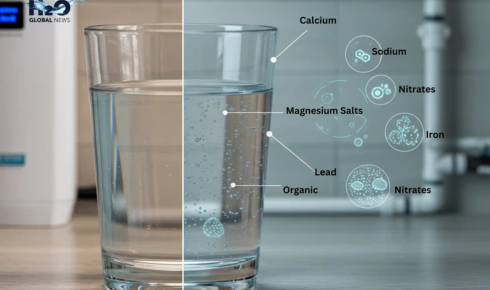
    It carries minerals, salts, trace elements—some beneficial, some not so much. And most of the time, you won’t see any of it. That’s what makes it tricky. Clear water can still contain a surprising amount of dissolved material.

    This is where the concept of total dissolved solids in water comes into play. It’s essentially a measure of everything that’s dissolved in your water—calcium, magnesium, sodium, even small traces of metals.

    Now, having dissolved solids isn’t automatically a bad thing. In fact, some minerals actually improve taste. But when levels get too high—or too low—it can start to affect how water behaves and how it feels to use.


    Why Numbers Start to Matter

    At some point, curiosity turns into action. You start wondering if there’s a way to actually measure what’s going on instead of just guessing.

    That’s where tds measurement becomes useful. It gives you a numerical value that represents the concentration of dissolved substances in your water.

    And while it might sound technical, it’s surprisingly accessible. There are simple handheld meters that can give you a reading in seconds.

    What’s interesting is how people react to those numbers. Some expect them to be high and are surprised when they’re not. Others assume everything is fine and get a bit of a shock.

    But the number itself isn’t the whole story. It’s more like a clue—something that helps you understand what direction to look in next.


    When “Good Enough” Isn’t Enough

    We often settle for “good enough” when it comes to water. If it’s not causing obvious problems, we let it be.

    But here’s the thing—water quality isn’t just about avoiding issues. It’s about creating a better baseline for everyday life.

    Better water can mean better-tasting food, smoother coffee, cleaner dishes, and even longer-lasting appliances. It’s not always about fixing something broken. Sometimes, it’s about improving something that’s just okay.

    And once you notice the difference, it’s hard to ignore.


    High TDS vs Low TDS: It’s Not Black and White

    There’s a common misconception that lower TDS is always better. But that’s not entirely true.

    Water with extremely low TDS—like distilled water—can taste flat, almost empty. On the other hand, very high TDS levels can make water taste heavy or even slightly bitter.

    The goal isn’t to hit zero. It’s to find a balance.

    Different regions naturally have different TDS levels. Groundwater tends to have higher concentrations, while treated municipal water might fall somewhere in the middle.

    Understanding your local water profile helps you make better decisions about filtration or treatment—if any is needed at all.


    The Subtle Signs You Might Be Overlooking

    Sometimes, the signs of high or imbalanced TDS are easy to miss.

    You might notice scale buildup on faucets. Or that your kettle needs cleaning more often than it should. Maybe your skin feels a bit dry after showers, even though you’ve changed soaps more than once.

    None of these scream “water issue” on their own. But together, they start to form a pattern.

    It’s like background noise—you don’t notice it until it stops.


    Do You Actually Need to Fix It?

    This is where things get practical.

    Not every TDS issue requires action. If your water falls within a reasonable range and doesn’t cause noticeable problems, you might not need to do anything at all.

    But if levels are high—or if the taste, buildup, or feel of the water bothers you—there are options. Filtration systems, softeners, reverse osmosis units… each addresses different aspects of water quality.

    The key is knowing what you’re trying to fix before jumping into solutions.


    A Quick Reality Check

    It’s easy to fall into the trap of overanalyzing water. Numbers, charts, comparisons—it can become a bit overwhelming.

    But at the end of the day, water is part of your daily routine. It should feel easy, not complicated.

    Testing and understanding your water is helpful, yes. But it’s not about chasing perfection. It’s about making small, informed adjustments that improve your everyday experience.


    Living With Better Awareness

    What changes once you start paying attention to your water?

    Not everything. Life doesn’t suddenly revolve around TDS levels or filtration systems.

    But there’s a quiet shift. You become more aware. More intentional.

    You might drink more water because it tastes better. You might rely less on bottled options. You might even start noticing differences when you’re away from home.

    And those small shifts? They tend to stick.


    A Thought to Leave You With

    Water is one of those things that feels constant—unchanging, reliable. But in reality, it varies more than we realize.

    Taking a closer look at it doesn’t mean you’re overthinking. It just means you’re paying attention.

    And sometimes, paying attention is all it takes to turn something ordinary into something just a little bit better.

  • The Small Upgrades That Quietly Change How Your Kitchen Feels Every Day

    The Small Upgrades That Quietly Change How Your Kitchen Feels Every Day

    There’s something about a kitchen that makes it the center of everything. It’s not just where meals happen—it’s where conversations drift, where late-night snacks turn into long thoughts, where mornings begin whether you’re ready or not.

    And oddly enough, it’s also where you start noticing the little inefficiencies. Waiting for water to boil. Tossing food scraps and wondering if you should or shouldn’t. Filling bottles from the tap and thinking… is this really clean enough?

    These are small things, sure. But they add up.

    When Clean Water Becomes a Daily Thought

    Most people don’t question their water much—until they do. Maybe it’s a slight taste, or a lingering doubt after reading something online. Or maybe it’s just curiosity.

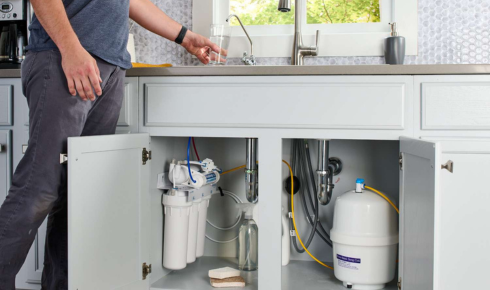
    That’s often when people start looking into reverse osmosis systems. And no, it’s not just a fancy upgrade—it’s more like a quiet shift in how you think about what you’re drinking.

    These systems filter out impurities at a deeper level, removing things you can’t see but might not want in your water. The difference isn’t always dramatic, but it’s noticeable. The taste feels cleaner. Lighter, somehow.

    It’s one of those changes that doesn’t shout for attention, but once you get used to it, going back feels… off.

    The Little Frustration of Waiting

    Here’s a simple scenario: you need hot water. Not warm, not lukewarm—properly hot. Maybe for tea, maybe for cooking. So you turn on the stove, fill a kettle, and wait.

    It’s not a big deal, right?

    Except when you’re in a hurry. Or when you’re doing it multiple times a day. That’s when the waiting starts to feel unnecessary.

    That’s where insta-hots come in. Instant hot water systems that give you near-boiling water straight from the tap. No waiting, no planning ahead.

    It sounds like a luxury—and in some ways, it is. But it’s also incredibly practical. Once you have it, you realize how often you needed it before.

    Dealing with Food Waste the Smarter Way

    Let’s talk about something less glamorous—kitchen waste.

    Food scraps pile up faster than you expect. Vegetable peels, leftovers, bits and pieces that don’t quite belong in the bin but don’t have another place either. And let’s be honest, they can get messy.

    That’s why many households turn to garbage disposals. It’s a simple concept—grind food waste and send it through the plumbing system. But the impact is bigger than it sounds.

    Less smell, less clutter, fewer trips to take out the trash. It’s one of those practical upgrades that quietly improves your day without asking for much in return.

    Of course, it’s not about dumping everything down the drain. There’s a balance. But used correctly, it makes kitchen cleanup feel a little less like a chore.

    Why These Small Changes Matter More Than You Think

    None of these upgrades are essential. You can live without them. People have for years.

    But that’s not really the point.

    The point is how they change your experience. How they remove small frustrations, improve convenience, and make everyday tasks feel smoother. It’s not about dramatic transformation—it’s about subtle improvement.

    And those subtle changes? They tend to stick.

    The Role of Habit in How We Use Our Kitchens

    What’s interesting is how quickly we adapt. Introduce a new system, and within a few days, it becomes part of your routine.

    You stop thinking about it. You just use it.

    That’s when you know something works well—not when it impresses you at first, but when it blends into your daily life without effort. When it feels like it’s always been there.

    Knowing What’s Worth It (and What Isn’t)

    Not every upgrade makes sense for every home. Space, budget, lifestyle—all of these play a role.

    Some people prioritize water quality. Others care more about convenience. Some just want to make cleanup easier. There’s no universal answer.

    The key is understanding what actually matters to you. Not what looks good in a catalog, but what will make your daily routine easier.

    Because at the end of the day, that’s what these systems are about—making life just a little more comfortable.

    A Quick Word on Installation and Maintenance

    It’s tempting to think of these upgrades as one-time decisions. Install it, forget it, move on.

    But like anything in your home, they need a bit of attention. Filters need changing. Systems need checking. Small issues need addressing before they grow.

    It’s not a lot of work—but it’s enough to keep things running smoothly.

    And honestly, it’s worth it.

    Final Thoughts: The Comfort of Things Working Quietly

    There’s a kind of satisfaction in a kitchen that works well. Not flashy, not overly modern—just efficient, reliable, easy to use.

    Water that tastes right. Heat when you need it. Waste handled without hassle.

    These aren’t big, dramatic changes. But they shape your everyday experience in ways you don’t always notice—until they’re gone.

    So if you’re thinking about improving your kitchen, maybe don’t start with the obvious things. Look at the small ones. The quiet upgrades. The ones that make life easier without making a fuss.

    Because sometimes, it’s the smallest changes that make a home feel the most complete.

  • Learning to Stay Safe on the Road Without Overthinking Every Move

    Learning to Stay Safe on the Road Without Overthinking Every Move

    There’s a moment most drivers remember—not the day they got their license, but the day they realized the road isn’t as predictable as it seemed during practice. Maybe it was a sudden brake from the car ahead, or a pedestrian stepping out without warning. Whatever it was, it flips a quiet switch in your head.

    Driving stops being just about control. It becomes about awareness.

    And that shift? It’s where real driving begins.

    Understanding the Road Beyond the Basics

    Most of us learn driving in a structured way—signals, lanes, mirrors, rules. It’s neat, almost too neat. But real roads aren’t like that. They’re messy. People make sudden decisions, ignore signals, drift between lanes, or simply misjudge things.

    That’s why learning defensive driving techniques isn’t just helpful—it’s necessary. It’s less about reacting and more about anticipating. You start noticing patterns. The impatient driver weaving through traffic. The hesitant one who might stop abruptly. The bike rider who doesn’t quite follow the rules.

    It’s like developing a sixth sense. Not perfect, not always right—but often enough to keep you out of trouble.

    When Experience Teaches What Theory Can’t

    You can sit through hours of lessons and still feel unprepared the first time you drive alone. That’s because real understanding comes from being out there, dealing with situations as they happen.

    Some people underestimate the role of traffic safety training, thinking it’s repetitive or too basic. But when you look closer, it’s not about repeating rules—it’s about reinforcing habits. The kind that stick even when you’re distracted, tired, or under pressure.

    Like checking mirrors without thinking. Slowing down instinctively in uncertain conditions. Giving space instead of rushing forward.

    These small habits don’t feel dramatic, but they quietly reduce risk in ways you don’t always notice.

    The Subtle Art of Staying Calm

    Driving isn’t just physical—it’s mental. And honestly, that’s where most people struggle.

    One mistake, one close call, and suddenly your mind starts racing. You replay the moment, question your decisions, maybe even hesitate the next time you’re in a similar situation.

    But here’s the thing: calm drivers aren’t necessarily more skilled. They’ve just learned to manage that internal noise.

    They don’t panic when something unexpected happens. They adjust. Slow down, reassess, move on. It sounds simple, but it takes time to reach that point.

    Building Trust in Your Own Decisions

    There’s a phase every driver goes through where they rely heavily on others—an instructor, a parent, even friends. You look for validation. “Was that okay?” “Did I do that right?”

    Eventually, though, you have to trust yourself. That’s where real confidence building happens—not from getting everything perfect, but from realizing you can handle imperfect situations.

    You take a wrong turn? You fix it. You misjudge a gap? You learn from it. Over time, these moments stop feeling like failures and start feeling like part of the process.

    And slowly, almost without noticing, you stop second-guessing every move.

    Why Awareness Beats Speed Every Time

    There’s this quiet pressure on the road—to keep up, to not slow others down, to move quickly and decisively. But speed isn’t what makes a good driver.

    Awareness does.

    It’s noticing the car braking two vehicles ahead, not just the one in front of you. It’s recognizing when a situation feels off, even if you can’t explain why. It’s choosing patience over urgency, even when others don’t.

    Good drivers aren’t always the fastest. They’re the ones who give themselves time to react.

    Mistakes Are Part of the Journey

    No one talks about this enough, but mistakes are built into the learning process.

    You might misjudge distances. Forget a signal. Take a turn too wide or too sharp. It happens. Even experienced drivers slip up occasionally.

    The difference is in how you respond.

    Do you let it shake your confidence? Or do you take a moment, understand what went wrong, and move forward?

    The road doesn’t expect perfection. It expects awareness, adaptability, and a willingness to improve.

    Finding Your Own Driving Rhythm

    Over time, driving becomes less about rules and more about flow.

    You start to feel the rhythm of traffic. When to slow down, when to move, when to wait. It’s not something you can force—it develops naturally, through repetition and experience.

    And everyone’s rhythm is slightly different.

    Some drivers are cautious, always leaving extra space. Others are more assertive, but still controlled. Both can be safe, as long as they stay aware of their surroundings.

    Driving isn’t about copying someone else perfectly. It’s about finding what works for you while staying within safe limits.

    The Quiet Confidence That Follows

    One day, you’ll notice something has changed.

    You’re no longer thinking about every action. Your hands move instinctively. Your decisions feel smoother, less forced. You’re still alert, still careful—but not tense.

    That’s when you know you’ve grown as a driver.

    It’s not about being fearless. It’s about being prepared.

    Final Thoughts

    Driving is one of those skills that evolves over time. It starts with rules and instructions, but it grows into something more intuitive, more personal.

    There will be moments of doubt, moments of frustration, even moments where you question your ability. That’s all part of it.

    What matters is that you keep going.

    Because every confident, capable driver you see on the road today was once in your position—learning, adjusting, figuring things out one drive at a time.

    And eventually, without even realizing it, they got there.

  • The Subtle Science Behind Better Water at Home

    The Subtle Science Behind Better Water at Home

    There’s a funny thing about water—it’s only when it feels wrong that we start paying attention to it. Until then, it’s just… there. Running in the background of daily life, quietly doing its job.

    But once something shifts, even slightly, it’s hard to ignore. Maybe your glass has a faint smell you can’t quite describe. Or your sink collects tiny particles that shouldn’t be there. Nothing dramatic, just enough to make you wonder.

    And that’s usually how the journey toward better water begins—not with urgency, but with curiosity.


    The Details Most People Overlook

    Water quality isn’t always about big, obvious problems. It’s often about small details that slowly build up over time.

    You might notice a slight haze in your tap water. Or maybe your appliances seem to need cleaning more often than they should. These aren’t emergencies, but they’re clues—quiet hints that your water isn’t as balanced as it could be.

    One of the lesser-known factors in this process is filter media choices. It sounds technical, but it’s actually quite simple. Different filtration materials are designed to target different issues—some focus on particles, others on chemicals, others on overall clarity.

    Choosing the right media is like picking the right tool for a job. You wouldn’t use a hammer to fix a loose screw, right? The same logic applies here. When the filtration matches the problem, everything just works better.


    When Particles Start Telling a Story

    Let’s talk about something you can actually see—sediment.

    Tiny particles in your water might not seem like a big deal at first. But over time, they can create noticeable issues. Cloudy water, clogged fixtures, reduced appliance efficiency—it all adds up.

    And the tricky part? You often get used to it.

    That’s where sediment removal comes into play. It’s one of those foundational steps that doesn’t get much attention, but it makes a significant difference. By filtering out sand, silt, and other particles early on, you’re essentially protecting everything downstream.

    Your pipes stay cleaner. Your appliances last longer. Even your water flow improves in ways you might not immediately notice—but you’ll definitely appreciate over time.


    The Taste and Smell You Can’t Quite Explain

    Now, here’s where things get a bit more personal.

    Taste and smell are incredibly subjective. What bothers one person might not even register for another. But when it comes to water, even a slight change can feel off.

    Maybe it’s a faint chlorine scent. Or a metallic aftertaste that lingers just a little too long. It doesn’t necessarily mean the water is unsafe—but it does affect how you experience it.

    This is where odor & taste control becomes important. It’s less about removing something dangerous and more about restoring something pleasant. Clean, neutral water that doesn’t interfere with your coffee, your cooking, or even a simple glass at the end of the day.

    And once you’ve experienced water that truly feels clean, it’s surprisingly hard to settle for anything less.


    Why Water Quality Affects More Than You Think

    It’s easy to think of water as a single-purpose resource—something you drink and occasionally cook with. But in reality, it’s woven into nearly every aspect of your home.

    It affects how your laundry feels, how your dishes look, how your skin reacts after a shower. It even plays a role in how efficiently your appliances run.

    When water quality improves, these changes don’t happen all at once. They show up gradually, almost quietly.

    Your glassware starts looking clearer. Your clothes feel softer. Your cleaning routine becomes a bit less demanding. It’s not dramatic, but it’s noticeable.

    And over time, those small improvements begin to feel like the way things should have always been.


    The Balance Between Simplicity and Effectiveness

    One of the biggest misconceptions about water treatment is that it has to be complicated.

    People imagine large systems, constant maintenance, or expensive setups. But the truth is, effective water improvement often comes down to understanding your specific needs.

    Not every home requires the same solution. Some need better particle filtration. Others need help with taste or chemical balance. The key is identifying what matters most for your situation.

    And once you do, the solution tends to feel surprisingly straightforward.


    Why It’s Easy to Ignore—Until It Isn’t

    Water issues don’t usually demand immediate attention. They’re subtle, easy to live with, easy to postpone.

    You adjust. You adapt. You tell yourself it’s “good enough.”

    But over time, those small inconveniences start to accumulate. The extra cleaning. The slight discomfort. The ongoing sense that something isn’t quite right.

    And eventually, you reach a point where ignoring it feels harder than addressing it.

    That’s when most people take action—not because they have to, but because they want to improve their daily experience.


    A Change That Feels Natural, Not Forced

    The interesting thing about improving your water is how quickly it becomes part of your routine.

    There’s no constant reminder. No ongoing adjustment. It just works.

    You stop noticing the improvements because they blend seamlessly into your day. And that’s the goal—to create a system that supports your home without demanding attention.

    Water should feel effortless. Reliable. Consistent.


    Final Thoughts, One Quiet Improvement at a Time

    If you’ve ever paused and wondered about your water—even briefly—that’s usually a sign worth paying attention to.

    Because better water isn’t about chasing perfection. It’s about making small, meaningful improvements that enhance your everyday life.

    And sometimes, those improvements don’t announce themselves loudly.

    They show up quietly—in a cleaner glass, a smoother shower, a more refreshing sip.

    And before you know it, you’re no longer thinking about your water at all.

    Which, in a way, is exactly the point.

  • What Makes a Roof Truly Last? A Real-World Look Beyond Materials and Marketing

    What Makes a Roof Truly Last? A Real-World Look Beyond Materials and Marketing

    There’s something quietly reassuring about a solid roof. You don’t think about it much—until you have to. Maybe it’s that small water stain spreading across the ceiling or the faint drip you hear during a late-night storm. That’s usually when people start asking the big question: what actually makes a roof last?

    It turns out, it’s not just about shingles or tiles. Not even close.

    It Starts with the People, Not Just the Product

    You can buy premium materials all day long, but if they’re installed poorly, they won’t save you. This is where roofing contractor expertise really comes into play. A seasoned contractor doesn’t just follow a checklist—they read the structure, understand the local climate, and anticipate problems before they show up.

    I’ve seen cases where two homes, side by side, used the same materials. One roof lasted 25 years, the other barely made it to 12. The difference? Installation. Attention to detail. Experience.

    And honestly, you can feel it when someone knows what they’re doing. They ask better questions. They don’t rush. They explain things in a way that actually makes sense.

    Materials Matter—But Not in the Way You Think

    People often obsess over brand names or specific shingle types. Asphalt, metal, clay… sure, they all have their place. But the truth is, even the best materials have limits.

    Climate plays a huge role. A roof that performs beautifully in a mild environment might struggle under intense heat or heavy snowfall. Then there’s ventilation, underlayment, flashing—those “invisible” components that rarely get attention but carry a lot of weight, literally and figuratively.

    A good contractor will guide you through these nuances. Not with a sales pitch, but with real insight. Sometimes, they’ll even recommend a less expensive option if it fits your situation better. That’s usually a good sign.

    The Quiet Value of a Strong Warranty

    Let’s talk about something people often overlook: performance warranties.

    At first glance, a warranty might just feel like a safety net—something you hope you’ll never need. But it’s more than that. It reflects confidence. When a contractor stands behind their work with a solid warranty, they’re essentially saying, “We trust what we’ve built.”

    Of course, not all warranties are created equal. Some are limited, filled with fine print that’s easy to miss. Others are more comprehensive, covering both materials and labor.

    It’s worth reading the details, even if it’s a bit tedious. Ask questions. What’s covered? For how long? What could void it? These aren’t just technicalities—they’re part of the bigger picture.

    Small Decisions That Make a Big Difference

    Roofing isn’t just about big, dramatic choices. Often, it’s the smaller decisions that shape long-term performance.

    Take ventilation, for example. It’s not the most exciting topic, but poor ventilation can trap heat and moisture, slowly damaging the structure from within. Or flashing—the thin material installed around chimneys and vents. If it’s done carelessly, leaks are almost inevitable.

    Even something as simple as nail placement can impact durability. Too high, too low, too few—it all adds up over time.

    It’s a bit like cooking, actually. The ingredients matter, sure, but technique? That’s where the magic—or the mess—happens.

    Maintenance Isn’t Optional (Even If It Feels That Way)

    Here’s the thing: even the best-built roofs need a little attention now and then.

    Leaves pile up. Debris collects in gutters. Small cracks appear where you least expect them. Left alone, these minor issues can grow into costly repairs.

    A quick inspection once or twice a year can go a long way. After a major storm, it’s especially important. You don’t need to climb up there yourself—most contractors offer inspection services.

    It’s not glamorous, but it’s practical. And in the long run, it saves money, stress, and probably a few sleepless nights.

    Thinking Long-Term, Not Just Right Now

    When people invest in long‑lasting roofs, they’re not just paying for durability. They’re buying peace of mind.

    It’s the comfort of knowing that when the weather turns rough, your home is ready. That you won’t have to deal with unexpected repairs every few years. That your investment is actually working for you, quietly, day after day.

    And yes, it might cost more upfront. But over time, the value becomes clear. Fewer repairs. Lower maintenance. Better energy efficiency, in some cases.

    It’s a bit like choosing quality over convenience. It doesn’t always feel urgent in the moment, but it pays off in ways you notice later.

    So, What Should You Really Look For?

    If there’s one takeaway here, it’s this: don’t rush the decision.

    Talk to multiple contractors. Ask questions—even the ones that feel basic. Pay attention to how they respond. Are they patient? Transparent? Do they seem genuinely interested in helping, or just closing a deal?

    Look beyond price. Consider experience, reputation, and the details of what’s being offered. A slightly higher quote might include better materials, stronger warranties, or more thorough installation practices.

    And trust your instincts. They’re often more reliable than we give them credit for.

    In the End, It’s About Trust

    A roof isn’t just a structure—it’s protection. For your home, your belongings, your daily life.

    Choosing the right approach, the right materials, and the right people isn’t always straightforward. There’s no single formula. But when it all comes together—good craftsmanship, thoughtful decisions, and a bit of ongoing care—you get something that lasts.

    Not just in years, but in confidence.

    And honestly, that’s what most of us are really looking for.